The burgeoning U.S. space manufacturing supply chain is grappling with a confluence of challenges, from soaring demand to unpredictable government budgets and obsolete specification requirements. This precarious situation, detailed in a new industry study, raises serious concerns about the future of American preeminence in the cosmos.
Sky-High Demand, Earth-Bound Capacity: A National Risk
Perhaps the most immediate and pressing hurdle is a severe deficiency in production capacity for nine highly specialized components. These include rocket motor nozzles, actuators, and optical intersatellite links (OISLs). Industry leaders warn that the rapid expansion of the U.S. space sector has driven demand to historic highs, placing immense strain on the very supply chain that underpins America’s leadership in space. Without deliberate actions to strengthen suppliers and modernize regulations, today’s momentum risks transforming into tomorrow’s debilitating bottlenecks. A resilient space supply chain, experts contend, is not optional — it’s a national imperative.
Five Major Issues Roiling the Sector: A Fragile Foundation
An in-depth analysis, based on extensive conversations with companies across the supply chain, has unearthed five fundamental problems that undermine the sector’s stability:
- Demand Outpacing Capacity: The industry’s ability to produce is struggling to keep pace with the accelerating rate of requests.
- Critical Component Shortages: Major programs face delays as space companies vie with larger sectors for limited essential supplies.
- Legacy Regulations and Qualification Requirements: These outdated mandates inflate costs and stifle innovation, compounded by restricted access to certified testing facilities.
- Fragile Supplier Base: Many crucial components rely on three or fewer qualified domestic suppliers, with smaller firms struggling under regulatory and cybersecurity burdens.
- Budget Instability: Inconsistent demand signals and fluctuating funding deter private investment, hindering suppliers’ ability to expand capacity or upgrade infrastructure.
Nine Critical Components: Technological Chokepoints
The study specifically pinpointed nine critical components that present the most significant obstacles for manufacturers of satellites and rockets, creating technological chokepoints:
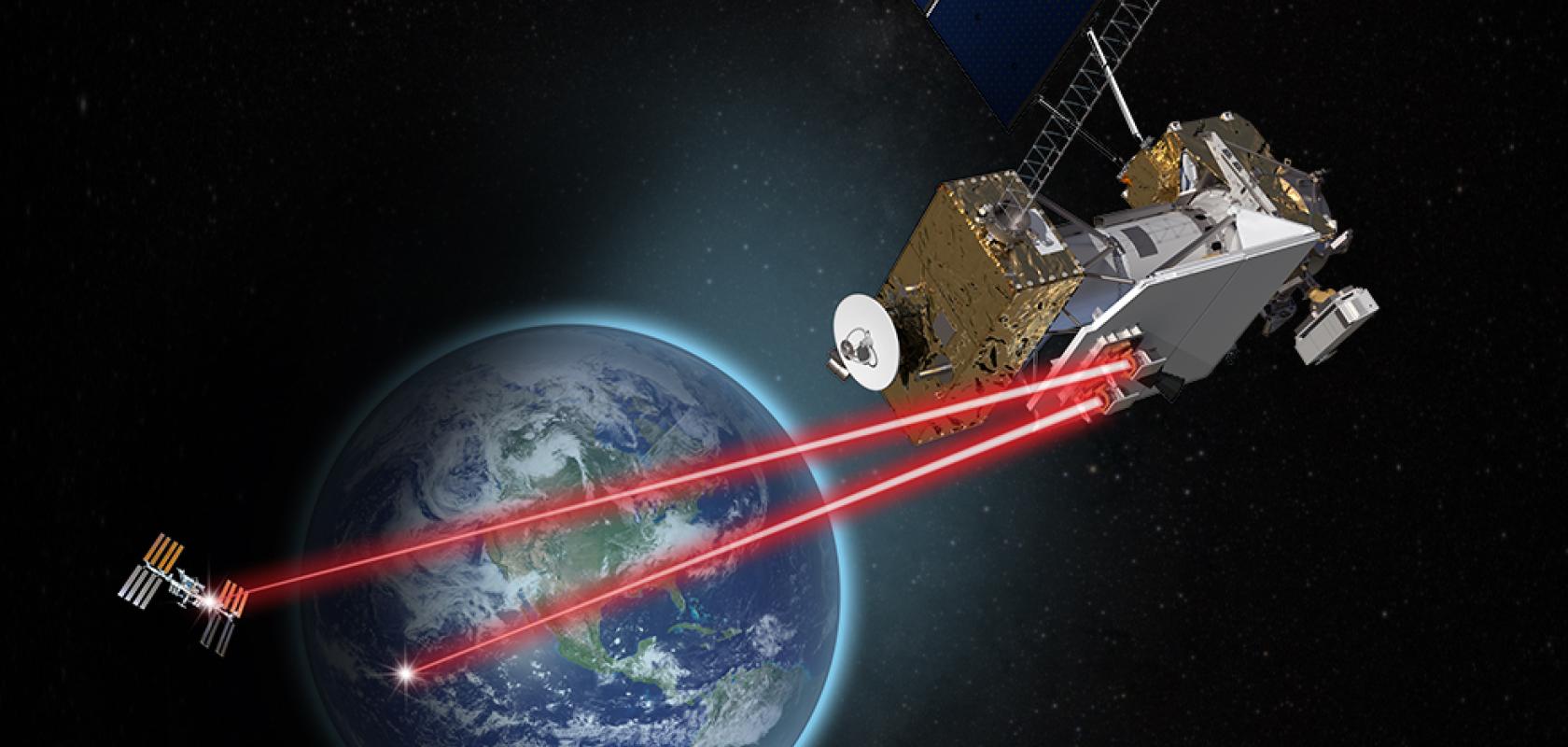
- OISLs (laser links): Vital for creating mesh networks between satellites.
- Actuators: Control satellite position, deploy structures, and operate onboard instruments.
- Rocket Motor Nozzles: Must withstand extremely high temperatures.
- Composite Overwrapped Pressure Vessels: Store high-pressure gases for spacecraft propulsion.
- Connectors: Provide vibration-resistant, radiation-tolerant electrical and signal interfaces.
- Switchgears/Transformers: Distribute, protect, and isolate ground electrical power systems.
- Valves: Control cryogenic fluid flow and high-pressure propellants for on-orbit maneuvers.
- Field-Programmable Gate Arrays (FPGAs): Manage spacecraft communication and control.
- Post Processing: Enhances durability, corrosion resistance, and performance of flight hardware.
An expert in operations and supply chain practices highlights that areas like connectors are particularly problematic, with extremely low production capacity. A small number of manufacturers produce these aerospace-grade components. An incident, such as a fire at a key supplier, can cause massive disruption, underscoring the urgent need for investment and expanded capacity. Another significant challenge lies in acquiring certain electrical equipment widely used outside the space domain, including by the burgeoning data centers supporting AI development. Components like transformers are essential for ground infrastructure (manufacturing facilities, launch pads), yet the space industry often finds itself at the back of the queue, facing extremely long lead times.
Building Resilience: The Path Forward for Space
The study proposes several recommendations to address these formidable challenges. These include fostering greater cooperation between government and companies across the entire supply chain to improve visibility regarding customer demand and budgets. A review of legislative and regulatory requirements is also deemed crucial to eliminate outdated compliance burdens. Furthermore, it advocates for government and industry collaboration to expand testing, qualification, and post-processing capacity through internal investment, shared facilities, and sustained federal support for critical infrastructure. These measures are seen as paramount to ensuring America’s ambitious space endeavors do not remain earthbound.