The United States Space Force is embarking on a major, ambitious modernization program, significantly expanding its plans to upgrade its ground-based radar systems. The objective is to dramatically enhance missile defense and space monitoring capabilities through the complete digitization of all eight aging systems, which predominantly operate on analog technology. This initiative aims to transform both the antennas and computer processors.
Renewed Ambition: From Partial to Comprehensive
The expanded Ground Based Radar Digitization (GBRD) effort is heralded as a „transformational” project. It is expected to provide the Space Force with far more effective tools to „defeat modern digital threats,” characterized by smaller, faster, and more numerous objects. The current plan represents a substantial revision of a prior initiative, proposed last July, which only envisioned partial modernization of six radars, focusing solely on subsystems. Now, the vision has broadened to encompass a comprehensive overhaul of all eight strategic ground-based systems.
Key Radars Targeted: A Crucial Network
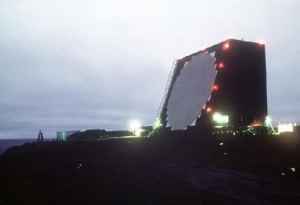
Among the radars included in this program are the five Upgraded Early Warning Radars (UEWRs) – located at Beale AFB in California, Fylingdales in the United Kingdom, and Thule AFB in Greenland – which directly feed into the Missile Defense Agency’s Ground-based Midcourse Defense system. Also integrated are the PARCS radar in North Dakota, operational since the 1970s and essential for missile warning and space situational awareness, and the Cobra Dane radar in Alaska, vital for North American Aerospace Defense Command and the space surveillance network. Finally, the AN/FPS-85 radar at Eglin AFB, Florida, capable of simultaneously detecting and tracking up to 200 satellites, will also benefit from modernization.
From Analog to Digital: A Radical Shift
The new systems will equip all eight radars with the same computer architecture, servers, and software, forming a common „brain.” This approach marks a major departure from the original plan, which would have resulted in modernized but individual systems. The digitization will also extend to the radars’ „front end” antennas, considered the „eyes and ears” of the system.
Comparatively, if the „back end” (processors and software) is the „brain” that processes raw data, the „front end” is the massive physical hardware that transmits and receives radio frequency energy. Modernizing the „front end” is likened to upgrading from an old analog television camera to a new 8K digital camera, providing an incredibly clear, high-fidelity data stream that will unlock the system’s full potential and enable the detection of previously invisible threats.
Multiple Benefits: Reduced Costs and a Unified Vision
This uniform software update across the entire radar fleet will „dramatically” cut long-term costs. Furthermore, a common „back end” will allow tracking data from all eight radars to be fused, creating a „much more comprehensive picture of the space domain.” By digitizing the „front end,” the obsolescence issues of the old, 1970s-era analog systems will also be resolved.
Investment and Firm Timelines
While funding details are still being clarified, the Pentagon’s fiscal 2026 reconciliation package included $1.98 billion for „improved ground-based missile defense radar” as part of the Golden Dome initiative. The Space Force aims to achieve initial operational capability with four „Rapid Prototype” sites completed by the first quarter of FY30, with full operational capability for all sites projected by the second quarter of FY31. Interested vendors are invited to respond to the revamped Request for Information by April 1.