Knesset Passes Colossal 2026 Budget Amidst Multi-Front Conflicts and Regional Reshaping Strategy
The Israeli parliament, the Knesset, today approved a record-setting national budget for 2026, allocating an unprecedented approximate $44.8 billion for defense. This figure marks a substantial increase of roughly $9.48 billion over the previous year’s military budget and underscores the reality of an expanded conflict that has reshaped the nation’s security landscape. The vote, held in the early hours, greenlit an overall government funding of $268 billion, passing by a 62-55 margin. Defense spending is anticipated to climb even higher throughout the year, with a supplemental budget related to the ongoing war with Iran expected.
An Unprecedented Surge in Military Spending
Israel’s defense budget has seen significant increases in recent years, reflecting an abrupt transition from low-level conflicts to a multi-front war that commenced on October 7, 2023. In just a decade, from 2015-2016, when the total budget stood at $103 billion and defense spending was $17.65 billion, military expenditures have surged by approximately 153%.
The jump is even more striking considering defense spending remained relatively consistent from 2015 to 2022. It then leaped to around $30 billion in 2024. Allocations that year also had to cover the costs of evacuating Israeli communities facing war, rebuilding defenses along the borders, and funding a substantial reserve army of some 300,000 personnel who had been called up.
„Dismantle and Reassemble the Middle East”
Finance Minister Bezalel Smotrich characterized the current situation as a „long and costly war,” stating that „the core of the budget is the addition of tens of billions so that we can finish the campaign and dramatically improve our geopolitical and diplomatic standing. We will be able to dismantle and reassemble the Middle East. This budget gives the country the ability to win.”
The Joint Committee of the Finance Committee and the Foreign Affairs and Defense Committee approved the 2026 defense budget on March 24. It passed unanimously and reflects increased investment for Operation Roaring Lion, the Israeli strikes on Iran that began on February 28. Committee chair MK Boaz Bismuth highlighted that approximately $7 billion constitutes expenditure contingent on income, including the U.S. aid grant, with about $25.8 billion allocated for future commitments. The costs of the war and investment in various defense systems also include outlays for rehabilitation and support for wounded soldiers and others affected by the prolonged conflict.
Defense as an Engine for Economic Growth
Some analysts view these massive expenditures not merely as a necessity but also as an opportunity. Eran Lerman, a former deputy for foreign policy and international affairs at the national security council in the Israeli prime minister’s office, remarked that „Israel has shown that in an agile and innovative economy, a heavy expenditure on defense can actually be translated into powerful engines for growth.” He added that even if some thought the war would „break our neck, in practice it became more muscle bound.” This perspective reflects a general consensus in Israel, where the increased budget is not seen as a surprise given the ongoing wars and daily rocket fire.
Investments in Autonomy and Logistical Supplementation
Beyond the current war effort, Israel is actively seeking to invest more in local defense industries and procurement. The Ministry of Defense announced today that, as part of its ongoing efforts to bolster IDF operational endurance and readiness for the evolving campaign, it has completed a $48 million deal with Elbit Systems for 155mm artillery shells. The munitions will be manufactured at Elbit facilities nationwide, with thousands of employees already working around the clock in three shifts under the Ministry’s directive. This initiative is part of a broader strategy to reduce reliance on external munitions sources and to grow Israel’s domestic defense production base.
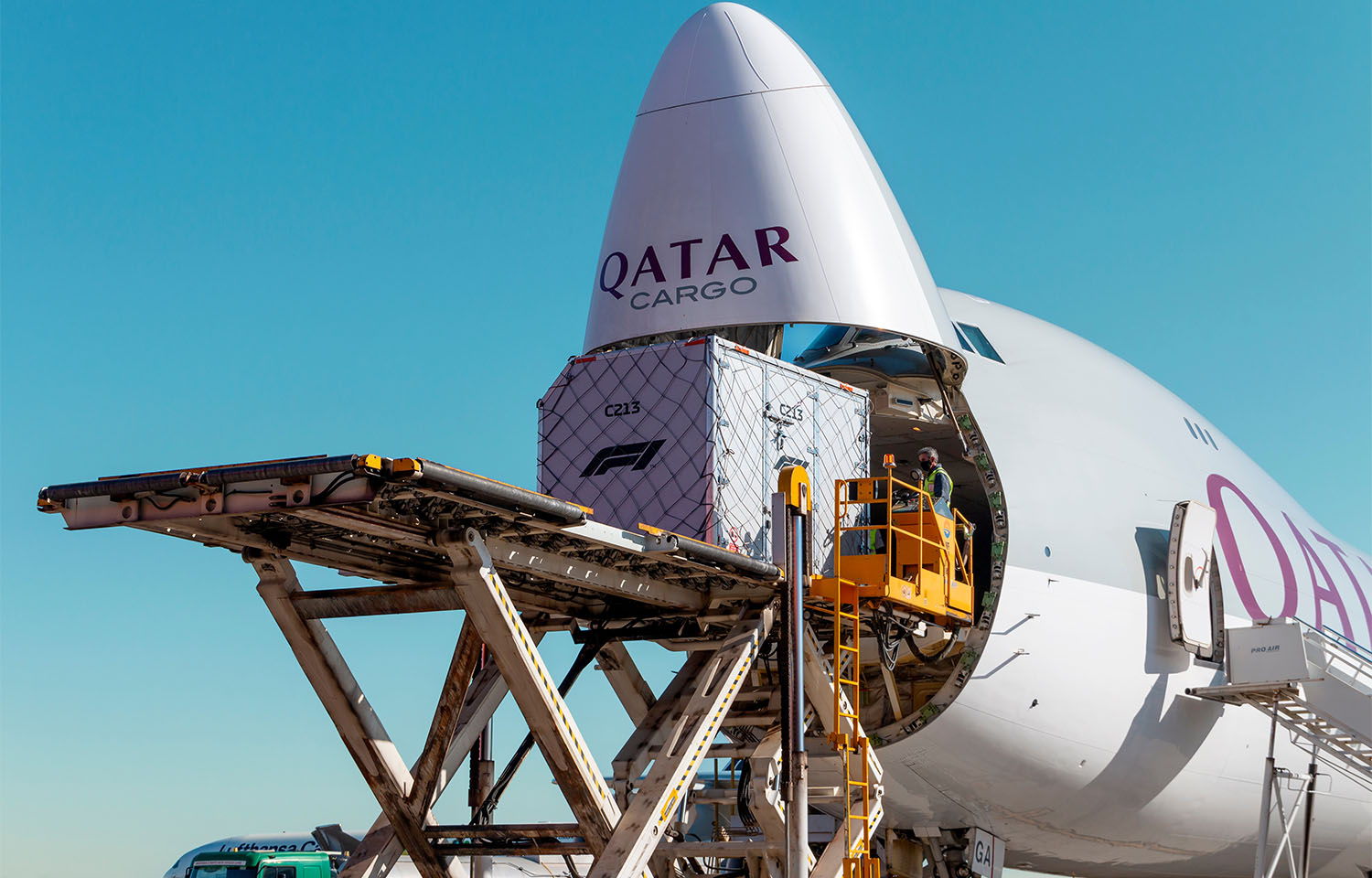
In the context of the conflict, the Ministry stated on March 26 that to keep Israel supplied amidst the Iran conflict, 200 cargo aircraft had landed in Israel in roughly a month of war, carrying approximately 8,000 tons of military equipment, weaponry, and munitions. The air and sea bridge serves as a critical component in this effort, strengthening operational continuity and enhancing readiness and stockpiles.
Dynamic Shifts in War Fronts
The changes in the multi-front conflict, as Israel has shifted focus from Gaza to Lebanon and Iran, have also resulted in changes to the budget and supplemental additions over the years. The Gaza conflict, which began with the Hamas attack on October 7, 2023, wound down with a ceasefire in mid-October 2025, although the IDF continues to maintain several brigades in Gaza. On March 2, just days after the conflict with Iran began, the IDF also launched operations against Hezbollah in response to attacks from the group.