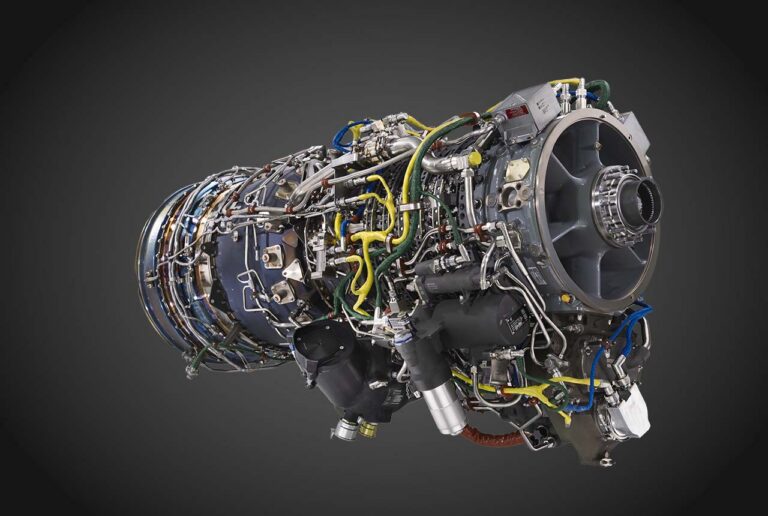
In today’s volatile geopolitical landscape, the ability to project power across vast distances with unmatched speed is the ultimate strategic advantage. Modern deterrence is no longer a static posture but a dynamic capability driven by rapid adaptation and operational reach. At the forefront of this shift is the Future Long Range Assault Aircraft (FLRAA) program, featuring the MV-75—a platform engineered to transform the very geometry of the modern battlefield.
A Strategic Leap in Maneuverability The MV-75 provides a groundbreaking capability for the U.S. Army, addressing the critical needs of expansive theaters like the Indo-Pacific. Powered by the AE 1107 engine family, this aircraft delivers twice the speed and range of the current fleet. This leap in performance allows forces to outpace and outmaneuver potential adversaries, ensuring rapid insertion, extraction, and sustainment over extended ranges that were previously unreachable.
The Engine of Progress: Reliability Meets Innovation The backbone of this aerial dominance is the AE engine family, a proven lineage with over 90 million flight hours. Through decades of continuous refinement and billions in investment, these propulsion systems have stayed at the cutting edge of safety and performance. Modern AE systems now feature state-of-the-art survivability technologies, including infrared suppression, cyber-resilient digital controls, and a Modular Open System Approach (MOSA) that ensures the fleet remains future-ready.
Battle-Tested Across Diverse Platforms The versatility of this technology is showcased across the military’s most critical assets. The AE 1107C turboshaft powers the V-22 Osprey through the harshest environments—from the high altitudes of Afghanistan to the humid maritime reaches of the South China Sea. Meanwhile, the AE 2100 turboprop drives the C-130J Super Hercules, the global workhorse for tactical transport and special operations. Looking toward the future of unmanned warfare, the AE 3007N variant powers the MQ-25 Stingray, facilitating the next generation of autonomous naval aviation.
Dual-Use Synergy and American Manufacturing Might A significant pillar of this success is the „dual-use” nature of the AE engine family. By serving both military and commercial sectors—powering regional jets and business aircraft—these engines benefit from a massive volume of flight data and accelerated learning. This synergy translates into world-class reliability and fuel efficiency for the warfighter. Produced in high-tech manufacturing hubs in Indiana, these engines represent a multi-billion dollar commitment to „peace through strength,” ensuring that U.S. and allied forces fly farther, faster, and return home safely.