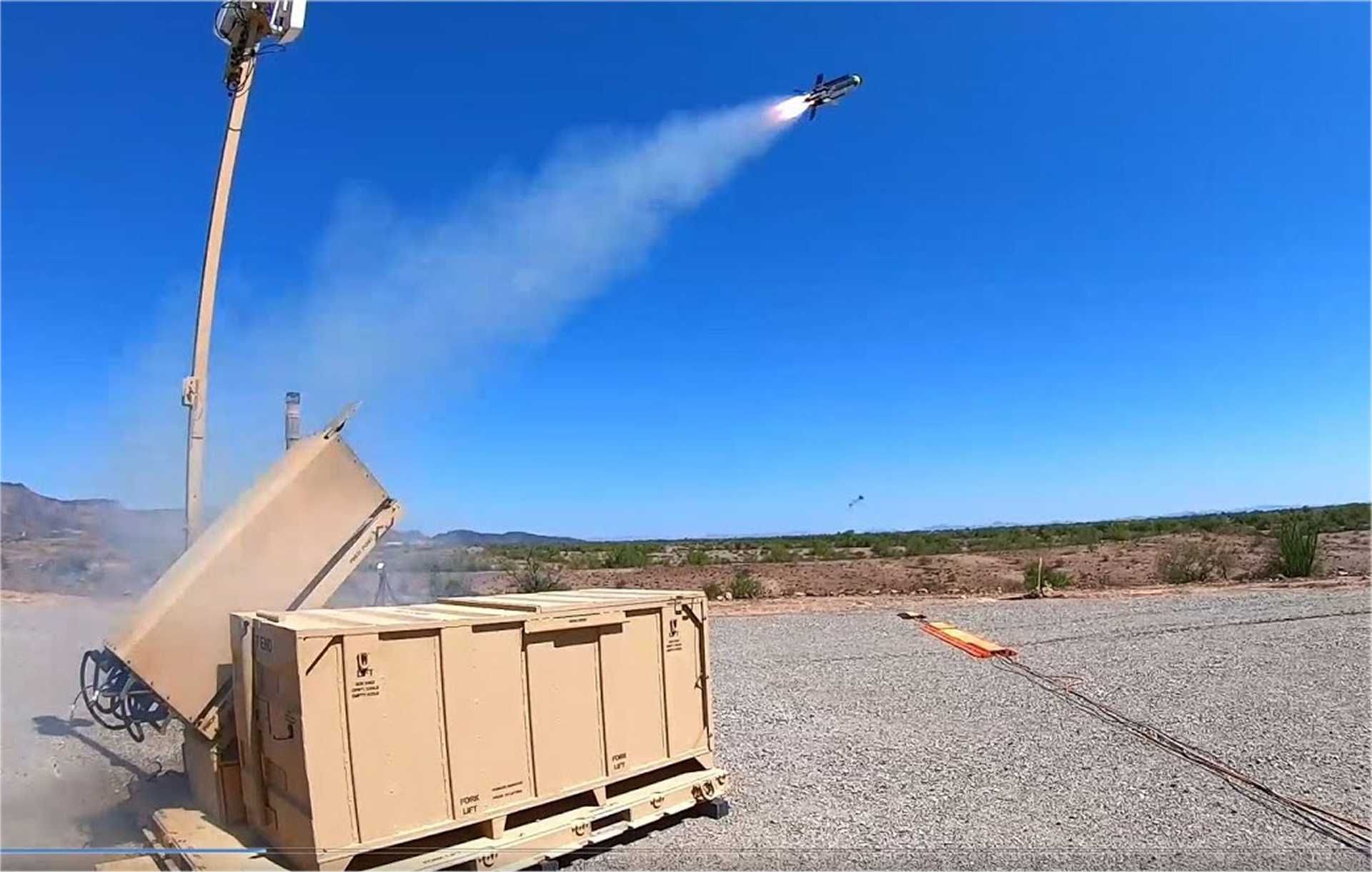
A new frontier in electronic warfare is emerging as top-tier technology once reserved for fighter jets is adapted for mobile land and sea platforms, offering a non-kinetic alternative to costly conventional missiles.
Total Versatility: Billion-Dollar Tech Adapted for Any Vehicle
The latest defense innovation promises to radically shift the rules of engagement on the battlefield. By „leveraging” critical components from state-of-the-art Next Generation Jammer (Mid-Band) systems, engineers have successfully created a surface variant capable of emitting highly precise energy beams. This new capability allows users to mount the technology on tactical trucks, surface ships, or even unmanned platforms, transforming any vehicle into an electronic assault hub.
The system is remarkably compact, featuring a six-foot by six-foot configuration, making it easily transportable by a standard pickup truck. Controlled via a simple laptop interface, the device can generate effects that „blind” enemy sensors before an attack can even be launched.
The Invisible Shield: Protecting High-Value Assets Without Explosives
In an environment where low-cost drone and missile attacks are becoming increasingly frequent, deploying expensive kinetic interceptors is no longer economically sustainable. This new solution focuses on non-kinetic effects, designed to protect airfields, outposts, or warships by disrupting the adversary’s communications and guidance systems.
Utilizing active electronically scanned arrays (AESA), the system can prevent an adversary from surveilling or maintaining a target-quality track on friendly forces. Essentially, it creates a protective bubble that denies the enemy high-quality data, neutralizing threats before any conventional weapons are even fired.
Multi-Domain Future and Decisive Testing at Point Mugu
Developed through internal research and development funding, this project addresses a growing demand across the armed forces for mature and affordable electronic systems. The U.S. Army, currently rebuilding its electronic arsenal after decades of post-Cold War divestment, is actively seeking solutions that can be seamlessly integrated into existing platforms.
Following successful airborne tests and ground-based chamber demonstrations, the system is slated for rigorous trials at Point Mugu, California, a premier Navy site for electronic warfare testing. These demonstrations, scheduled for later this summer, will determine if repurposing an airborne system into a surface-based „hunter” is the definitive solution for the hybrid challenges of the current decade.