As budgets for autonomous systems skyrocket from hundreds of millions to tens of billions, the Pentagon requires a firm hand to police the „Wild West” of emerging flight technologies.
The Feinberg Doctrine: Private Equity Meets National Defense
Acquisition reform at the Pentagon is meeting its greatest challenge yet: the drone gold rush. The Defense Autonomous Warfare Group (DAWG) has unveiled a staggering $54 billion budget projection over the next five years—a monumental leap from the mere $226 million allocated in the previous fiscal year. To manage this massive surge of capital, the Department of Defense is leaning into a strategy forged in the world of alternative investments.
Stephen Feinberg, a key figure in the current administration’s acquisition strategy, brings a private equity mindset to the building. His approach is far from passive; it involves active intervention to reshape supply chains and operational strategy. This „Feinberg Way” is characterized by hiring top-tier talent from both government and industry and empowering them to bypass traditional bureaucratic hurdles to deliver high-stakes results.
Flattening the Chain: Lessons from Stealth Bombers and Nuclear Subs
The blueprint for managing this technological explosion lies in the Direct Reporting Portfolio Managers (DRPM) model. Reporting directly to top leadership, these managers have already proven their worth across three critical pillars: the „Golden Dome” space architecture, major aviation programs, and the submarine fleet.
In the aviation sector, the impact of a flattened command chain is undeniable. The B-21 Raider stealth bomber program is currently so healthy that it has been accelerated, managed by a lean staff of just 24 people. Similarly, in the undersea domain, the DRPM model has navigated critical material shortages and workforce challenges to keep the Columbia-class ballistic missile submarine program on track for a 2028 delivery.
Managing the Wild West: The Case for a Dedicated Drone DRPM
With adversaries producing millions of low-cost drones annually, the need for a „Drone Sheriff” has become a strategic necessity. The current landscape of unmanned systems is fragmented, with dozens of overlapping programs spread across various services. A dedicated DRPM for drones would provide the centralized authority needed to distinguish between viable innovations and redundant experiments.
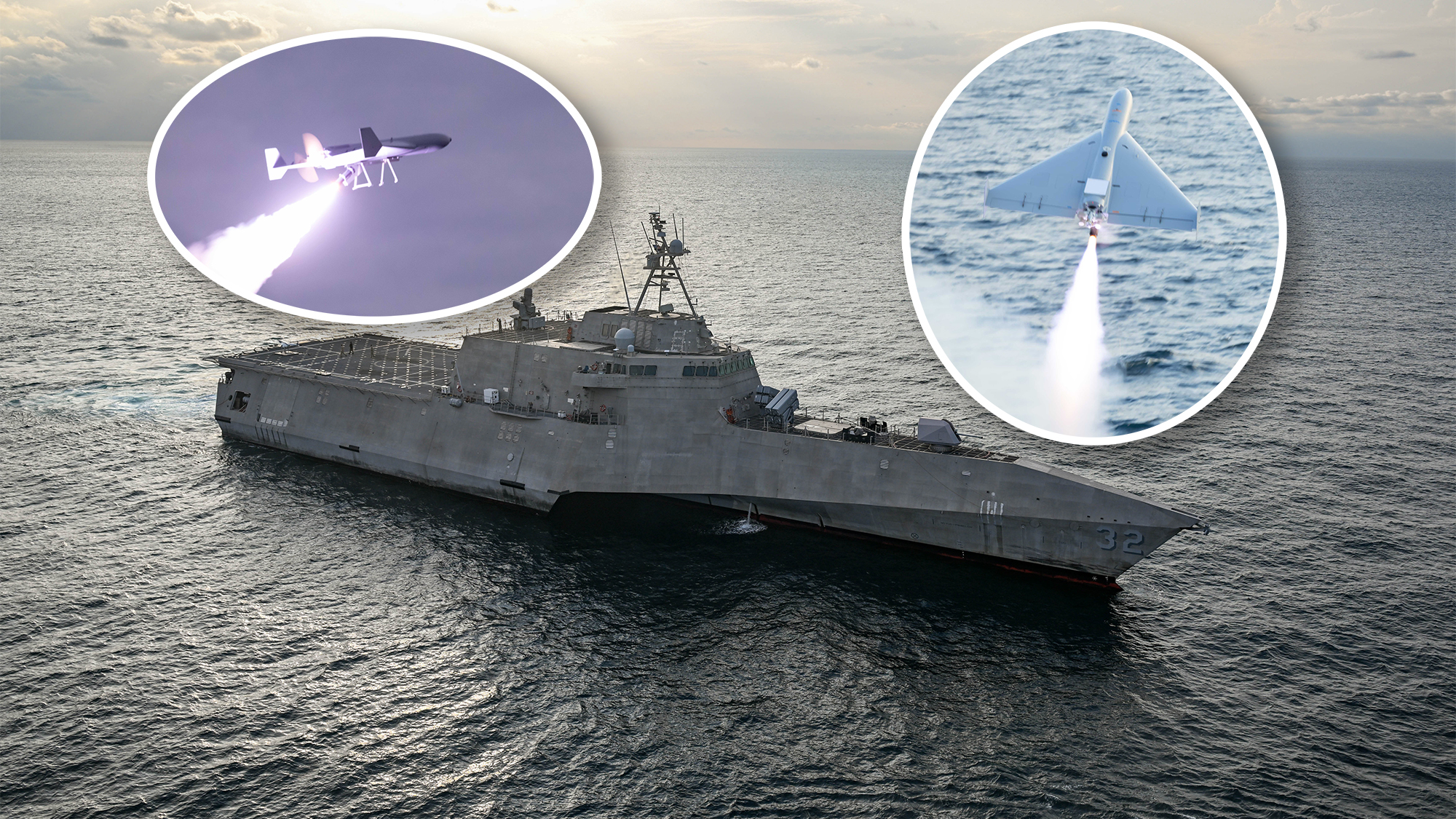
This „Sheriff” must be empowered to say „no” as often as „yes,” focusing resources on high-impact technologies like loitering munitions and counter-drone systems that are currently proving their worth in real-time operations. The goal is to prioritize agile systems like the LUCAS and Damocles drones over bureaucratic bloat.
Ultimately, the DRPM concept is designed to be temporary—an intensive effort to build momentum and field capabilities before folding them back into the traditional service branches. In this high-stakes investment in autonomous warfare, the ultimate payout is not financial, but a decisive edge in national security.