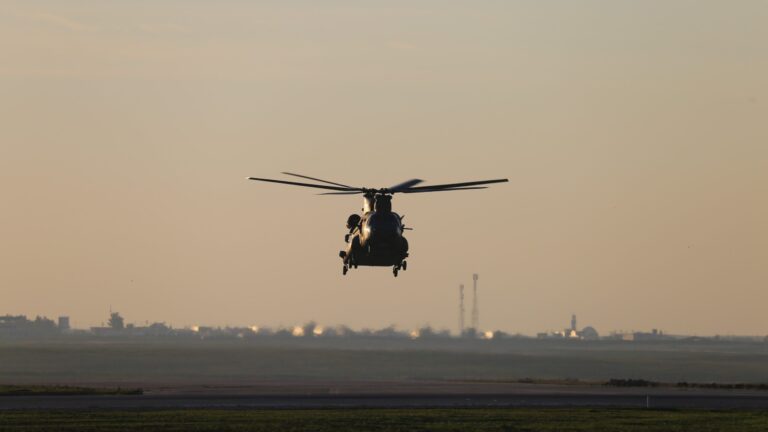
In the face of a sharp decline in direct procurement funding for new aircraft, U.S. military leaders and aerospace titans are fundamentally rethinking their business models. While the Pentagon’s fiscal 2027 budget slashed nearly $2 billion from funds earmarked for Apache, Black Hawk, and Chinook helicopters, production lines are far from shutting down. The solution? An aggressive combination of massive exports to allies and ingenious profit reinvestment mechanisms.
The Numbers Crisis: A Steep Decline in Direct Funding
Recent statistics indicate a paradigm shift in Washington. Funds for the acquisition of new Apache helicopters have plummeted from over $360 million to a symbolic $1.5 million, while the Black Hawk program saw a drop from $913 million to less than $40 million. Even the veteran Chinooks lost two-thirds of their funding. However, Army leadership emphasizes that this is not a divestment from these fleets, but a strategic transition from mass procurement toward sustainability and the modernization of existing resources.
The Lifeboat: Foreign Demand and „Helicopter Diplomacy”
What the federal budget no longer covers, international allies do. Foreign Military Sales (FMS) have become the new growth engine for manufacturers like Boeing and Sikorsky. The order books are impressive: Poland is set to receive 96 Apache units, Germany has contracted 60 Chinook helicopters, and the United Kingdom has secured over a dozen of the same model. Meanwhile, Greece finalized a deal worth over a billion dollars for Black Hawks. This global „hunger” for battle-proven equipment ensures the maintenance of supply chains and the financial health of suppliers during periods of domestic austerity.
The BEST Program: Recycling Resources for the Future of Aviation
In addition to exports, the U.S. Army is implementing creative self-funding solutions. Through the Black Hawk Exchange and Sales Transaction (BEST) program, older models (UH-60L) are auctioned off to private or commercial entities. The funds generated do not disappear into the general budget but are reinvested directly into the program for new aircraft purchases or technological upgrades. This mechanism allows the military service to „rotate” the fleet, maintaining a lower average aircraft age without depending solely on Congressional allocations.
Maintenance as a Strategic Priority
The message to the industry is clear: the focus is shifting toward maintaining the relevance of the current fleet for as long as possible. Instead of constantly buying „new,” the Army is concentrating on long-term partnerships for maintenance and critical upgrades. This approach guarantees that manufacturers remain active not just by assembling new airframes, but by developing sensors, weapons systems, and avionics solutions that will allow these legendary platforms to dominate the airspace for decades to come.