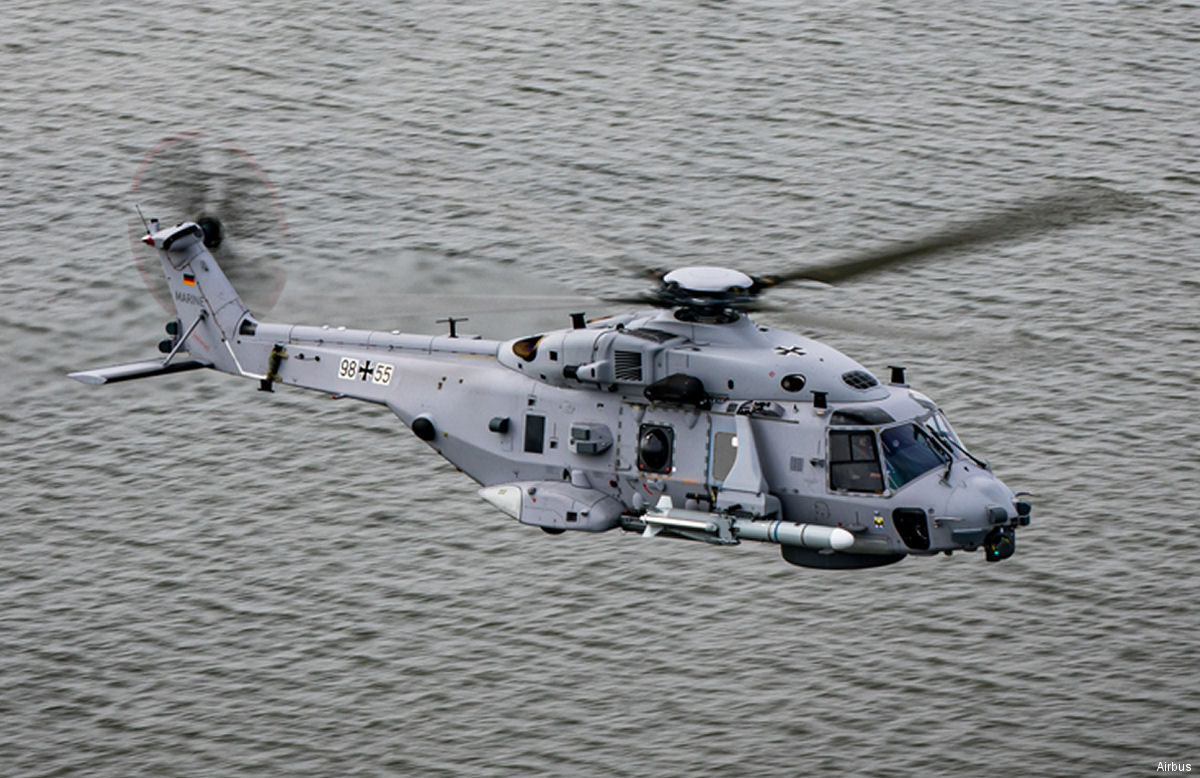
In a strategic move designed to ensure technological relevance for the next two decades, the NHIndustries (NHI) consortium has secured a €15 million contract with the NAHEMA agency for the „Block 2” architecture study. This initiative marks a turning point for the NH90 program, aiming to adapt the platform to the complex requirements of the 2040 battlefield and beyond.
Future Architecture: Modularity and Human-Machine Cooperation
The core of the Block 2 study is the development of a scalable and modular avionics architecture. The objective is clear: the rapid integration of new technologies without the need for costly structural modifications. The future NH90 will focus on „collaborative combat” and the concept of crewed-uncrewed teaming (MUM-T), allowing human crews to coordinate drones and autonomous systems in real-time. This advanced connectivity promises to transform the aircraft from a simple transporter into a digital command hub in operational theaters.
Beyond Standards: The Leap from Block 1 to Extreme Efficiency
While the Block 1 upgrade (Software Release 3) is already being implemented for over 200 aircraft, the Block 2 study looks much further ahead. While current improvements for nations like Belgium, Germany, Italy, and the Netherlands include Link 22 systems and new electro-optical sensors, the new architecture will emphasize reducing life-cycle costs and increasing fleet availability. Simplified maintenance plans and predictive diagnostic systems are key elements in addressing the logistical criticisms that have plagued the platform in the past.
Commercial Resilience: Between Controversy and Anti-Submarine Performance
Although the NH90 program has faced turbulent times, marked by the withdrawal of customers such as Australia and Norway, the NHI consortium remains optimistic. With a global fleet of 530 helicopters that have amassed over half a million flight hours, the platform continues to attract international interest, particularly in the NFH (NATO Frigate Helicopter) variant. Its superior anti-submarine warfare (ASW) capabilities remain the aircraft’s primary asset, generating sales opportunities for an additional 50 to 100 new units in the near future.