In a decisive move to secure the world’s most critical maritime chokepoint, a coalition of over 40 nations has committed to a sweeping military intervention. Led by the United Kingdom and France, the Multinational Military Mission (MMA) is being assembled with a singular purpose: to forcibly reopen the Strait of Hormuz once a sustainable ceasefire is achieved. This high-stakes deployment aims to neutralize the Iranian blockade and restore the flow of global trade that has been paralyzed since late February.
Anglo-French Leadership: Dominating Air and Sea
The mission’s backbone is formed by a formidable array of French and British naval assets. France is spearheading the effort with the deployment of the nuclear-powered aircraft carrier Charles de Gaulle, accompanied by a strike group of frigates and amphibious carriers.
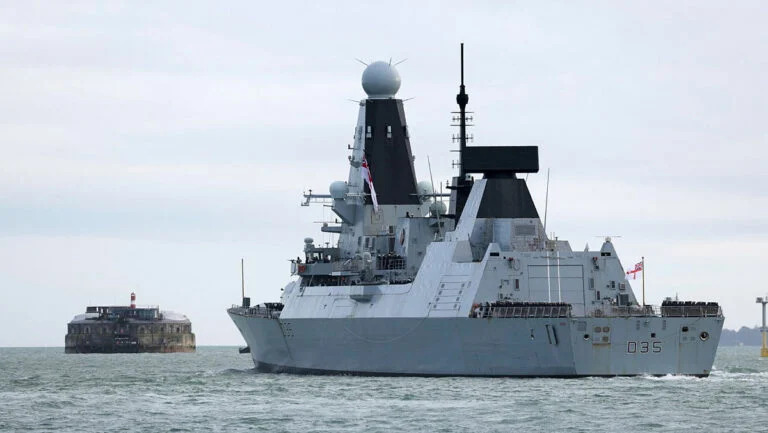
For its part, the United Kingdom is deploying its premier air defense assets, including the Type 45 destroyer HMS Dragon, armed with the lethal Sea Viper missile system. London has also greenlit air patrols by Eurofighter Typhoon jets and is introducing the innovative „Beehive” system—a fleet of autonomous Kraken drone boats designed to track and eliminate hostile threats with surgical precision.
Neutralizing the Silent Threat: Advanced Mine Countermeasures
With the Strait effectively turned into a minefield, the coalition is prioritizing underwater clearance operations. Germany, Belgium, and Italy are contributing specialized mine-hunting vessels to lead the charge. The Italian Navy has committed the Rimini and Crotone class minehunters, which utilize advanced sonar and remote-operated vehicles to identify and neutralize explosives at depths of up to 600 meters. These assets are critical to reassuring commercial shipping giants that the waterway is safe for transit.
Strategic Reach: From Australian Spy Planes to EU Integration
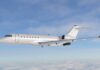
The coalition’s scope is truly global. Australia is providing its E-7A Wedgetail AEW&C aircraft—a high-tech „eye in the sky” capable of simultaneous targets tracking across vast maritime sectors. Meanwhile, the European Union is discussing the expansion of Operation Aspides to cover the Strait, potentially bringing 27 nations under a unified command structure.
Despite the geopolitical uncertainty and the rejection of recent peace proposals by the United States, the mobilization of this high-end military hardware signals a turning point. The MMA represents a clear warning that international powers are prepared to use every technological and military tool at their disposal to guarantee freedom of navigation and global economic stability.