The US Air Force has selected industry giants GE Aerospace and Rolls-Royce to advance the design of next-generation engines intended to power future autonomous aircraft and other combat platforms. This initiative marks a decisive step in transforming how airpower will be projected in high-intensity conflict zones.
GE426: From concept to battlefield performance
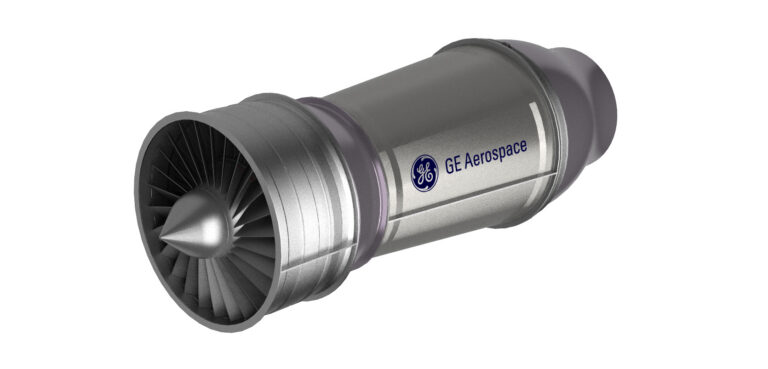
GE Aerospace has already begun the preliminary design review process for its new engine, dubbed the GE426. The project builds on the success of previous demonstrations with smaller engines developed for cruise missiles and light drones. The central objective for the GE426 is to provide a balance of high performance, affordability, and immediate operational readiness, tailored to the needs of the modern warfighter in contested environments.
The reliability of the AE engine family in supporting unmanned aircraft
In parallel, Rolls-Royce is leveraging its experience with the AE engine family to ensure the necessary operational advantage. The proposed technology aims to deliver not just thrust, but also the electrical power and reliability essential for complex autonomous systems. Using engine architectures already proven on other naval and aerial platforms allows for a rapid transition to the Air Force’s new requirements, facilitating easier integration into the combat fleet.
A paradigm shift in military procurement and combat tactics
These contracts are part of a broader strategy designed to explore technical solutions that go beyond traditional manned aircraft standards. By utilizing flexible procurement mechanisms, the military aims to accelerate innovation in propulsion. While the initial focus is on medium-class autonomous collaborative platforms, the new engines could eventually equip a diverse range of systems, including precision weapons or cruise missiles, thereby diversifying the strike options of joint forces.
Beyond wingman drones: The need for autonomy and extended range
As the program progresses, technical requirements are becoming increasingly sophisticated. Future generations of drones will need sufficient speed and range to deploy directly from the continental United States to distant theaters of operations. This evolution implies a shift from „expendable” and cheap concepts to high-performance platforms capable of conducting varied missions for geographic combatant commanders, placing GE and Rolls-Royce’s engine development at the heart of future national security strategy.