From Assembly Lines to Battlefields: The Precision Synergy
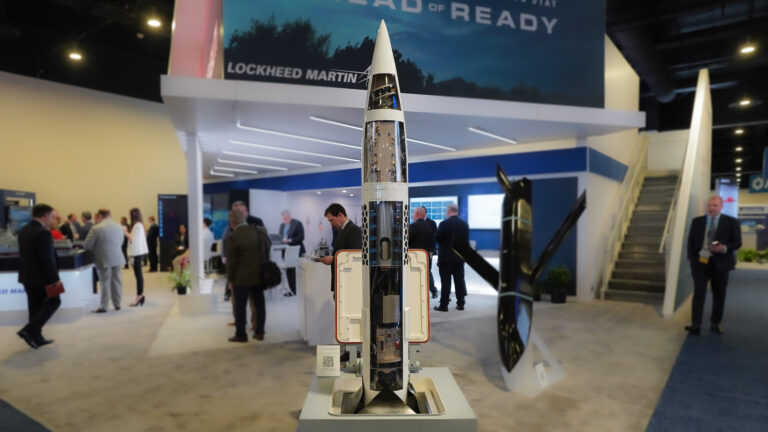
In a strategic move destined to reshape the industrial defense landscape, the world’s leading defense contractor, Lockheed Martin, and automotive titan General Motors (GM) have entered into a landmark partnership. Announced at the Reindustrialize Summit, the agreement aims to harness GM’s mass-manufacturing prowess to turbocharge the production of advanced weaponry. The logic behind the alliance is rooted in shared engineering DNA: whether it is a high-performance Corvette or a sophisticated THAAD interceptor, both rely on precision manufacturing, diverse supply chains, and high-rate production. This collaboration seeks to bridge the gap between commercial efficiency and military necessity.
Meeting Global Demand: The Race to Quadruple Output
The primary catalyst for this partnership is the urgent need to meet Pentagon mandates for increased munitions capacity. Lockheed Martin is currently tasked with tripling the production of PAC-3 Missile Segment Enhancements and quadrupling the output of THAAD interceptors over the coming years. By leveraging GM’s expertise in scaling manufacturing and navigating global supply chains, the defense giant aims to overcome current industrial bottlenecks. While the cooperation is currently focusing on munitions, executives hint that the scope could expand as the two companies identify further opportunities to optimize production infrastructure.
A Pentagon-Driven Evolution in Defense Procurement
This unconventional alliance marks a shift in how defense capabilities are built, spurred by government calls for „non-traditional” business partnerships. Rather than operating in isolation, the defense sector is now actively seeking expertise from the commercial world to enhance the nation’s industrial base. This strategic pivot is backed by massive capital: Lockheed is committed to a $9 billion investment in its facilities through 2030, while GM continues to pour billions into research, development, and capital improvements across its commercial and defense divisions. Together, they are setting the stage for a more agile and high-capacity military-industrial future.