In an unprecedented move to solidify maritime dominance, the administration is accelerating plans to expand military infrastructure, aiming for a dramatically larger fleet by 2031.
Record funding for future maritime dominance: The 65 billion dollar plan to reshape the Navy
The strategic blueprint for fiscal year 2027 puts a staggering $65.8 billion on the table, dedicated solely to shipbuilding. This massive capital infusion is part of a long-term vision to expand the Navy’s inventory to 450 units—including battle force ships, auxiliaries, and unmanned vessels. Furthermore, officials are exploring the historic possibility of utilizing foreign shipyards in Japan or South Korea to build U.S. warships, signaling a major shift in the American defense industry’s traditional boundaries.
Scaling up public maintenance: Why the administration insists on expanding state-owned facilities
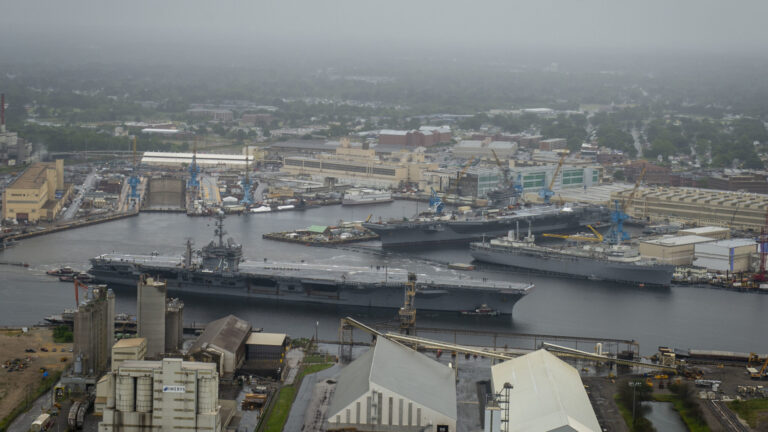
At the heart of this expansion lies the push for a fifth public shipyard. Currently, the maintenance of the Navy’s most critical assets—nuclear-powered aircraft carriers and submarines—rests on just four pillars: Norfolk, Portsmouth, Puget Sound, and Pearl Harbor. Leadership at the Office of Management and Budget emphasized that for an investment reaching the $1.5 trillion mark, having enough public shipyard capacity to perform maintenance „at scale” is vital. The administration’s stance is clear: the mission requires a dedicated workforce whose sole focus is the readiness of the military fleet.
Learning from past failures: The USS Boise case highlights the urgency of infrastructure reform
The urgency of this expansion is fueled by past logistical failures. The case of the Los Angeles-class submarine USS Boise has become a symbol of systemic inefficiency; the vessel was mothballed after more than a decade of inactivity due to chronic maintenance delays. Washington officials admit that over a decade of bad management led to this point and insist that the system must be fixed now. The new strategy aims to eliminate the bottlenecks that have left vital combat units sidelined for years.
The workforce bottleneck: Balancing infrastructure upgrades with specialized labor needs
While the strategic need for a new yard is evident, the Navy faces a pragmatic hurdle: staffing the facility. Senior naval leadership has questioned whether a suitable workforce exists to man a fifth facility, warning that expensive infrastructure is only as good as the people operating it. As the debate over a new shipyard continues, the Navy remains committed to the Shipyard Infrastructure Optimization Program (SIOP), a 20-year effort to modernize existing dry docks and equipment. The message is clear: the battle for naval supremacy is won as much in the repair docks as it is on the high seas.