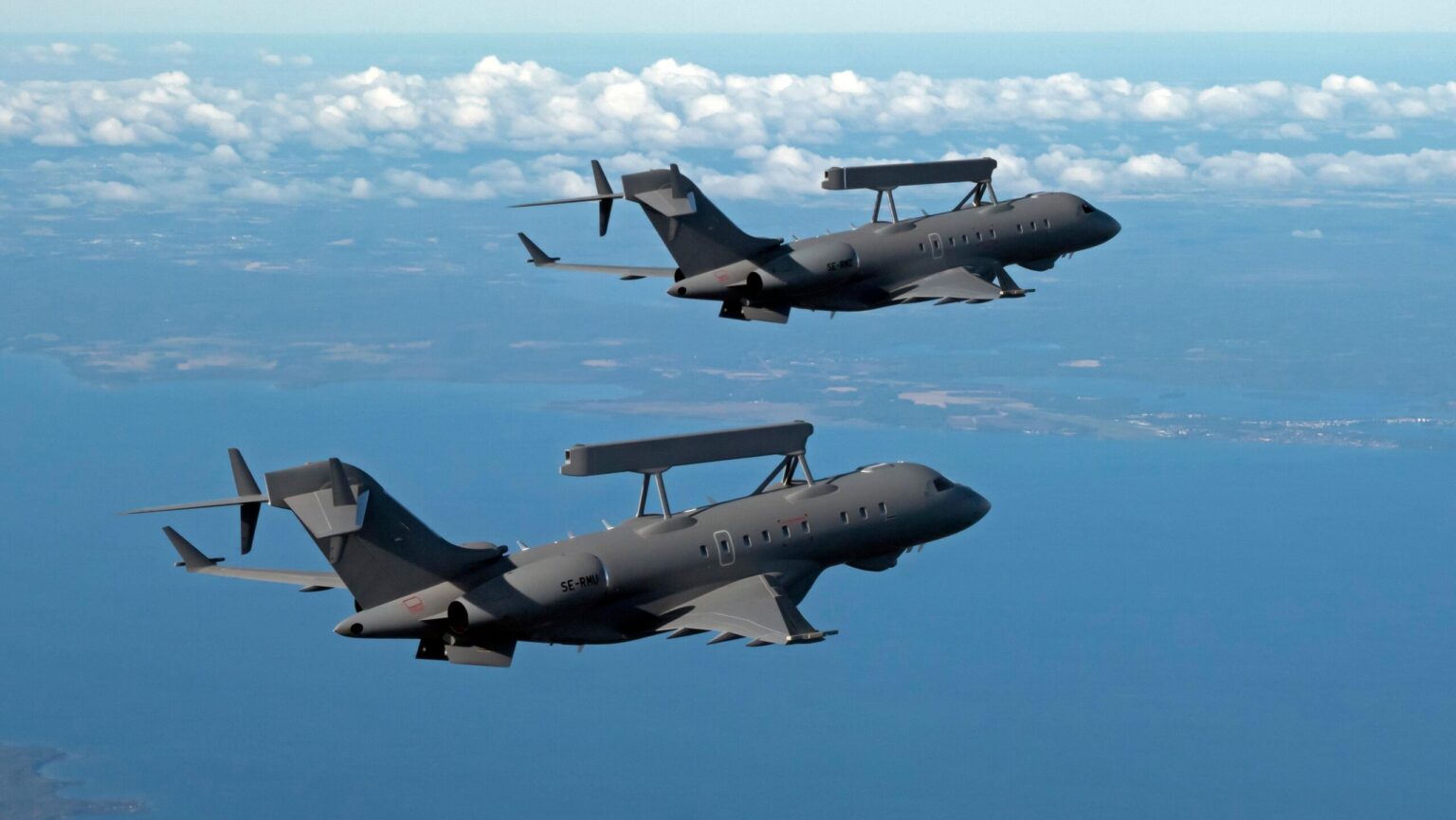
In a strategic move that marks a paradigm shift in the defense industry, NATO has officially announced the acquisition of 10 Swedish-made Saab GlobalEye aircraft to replace its aging fleet of E-3 Sentry radar planes. The announcement, made by Secretary General Mark Rutte, confirms the alliance’s pivot toward a European solution following a period of uncertainty and stalled negotiations with American partners. Sweden, a recent addition to the alliance, is now set to become a central pillar of collective airspace surveillance.
A European triumph: GlobalEye to replace the aging E-3 Sentry fleet
The decision to opt for Saab technology is seen as a moment of national pride for Stockholm. The first units are expected to be operational from Swedish bases starting in 2027, providing the alliance with superior monitoring capabilities. This selection comes after a group of allies walked away from plans to acquire the American Boeing E-7A Wedgetail, citing the collapse of financial and strategic foundations. Although Washington later attempted to revive the American project, NATO chose to move forward with the Swedish variant, deemed more affordable and faster to deliver.
Advanced radar capabilities: defeating electronic jamming in a multi-domain era
The GlobalEye platform is more than just a surveillance plane; it is designed to provide simultaneous airborne, maritime, and ground surveillance. At its core is the new Erieye ER radar, capable of operating in environments with intense electronic jamming. This versatility has already caught the attention of other major players, with France finalizing a billion-dollar contract, while Canada, Germany, and Poland have expressed strong interest in integrating this technology into their own air forces.
The delivery timeline: a race against time for alliance security
The decisive factors that tipped the scales in favor of Saab were sustainable costs, technical performance, and delivery speed. The first units destined for NATO are expected to enter service by 2030, filling a critical gap left by the retirement of legacy platforms. The Swedish manufacturer has already ramped up production at its Gothenburg hub, preparing to deliver a record number of aircraft to meet the surging demand across Europe and beyond.