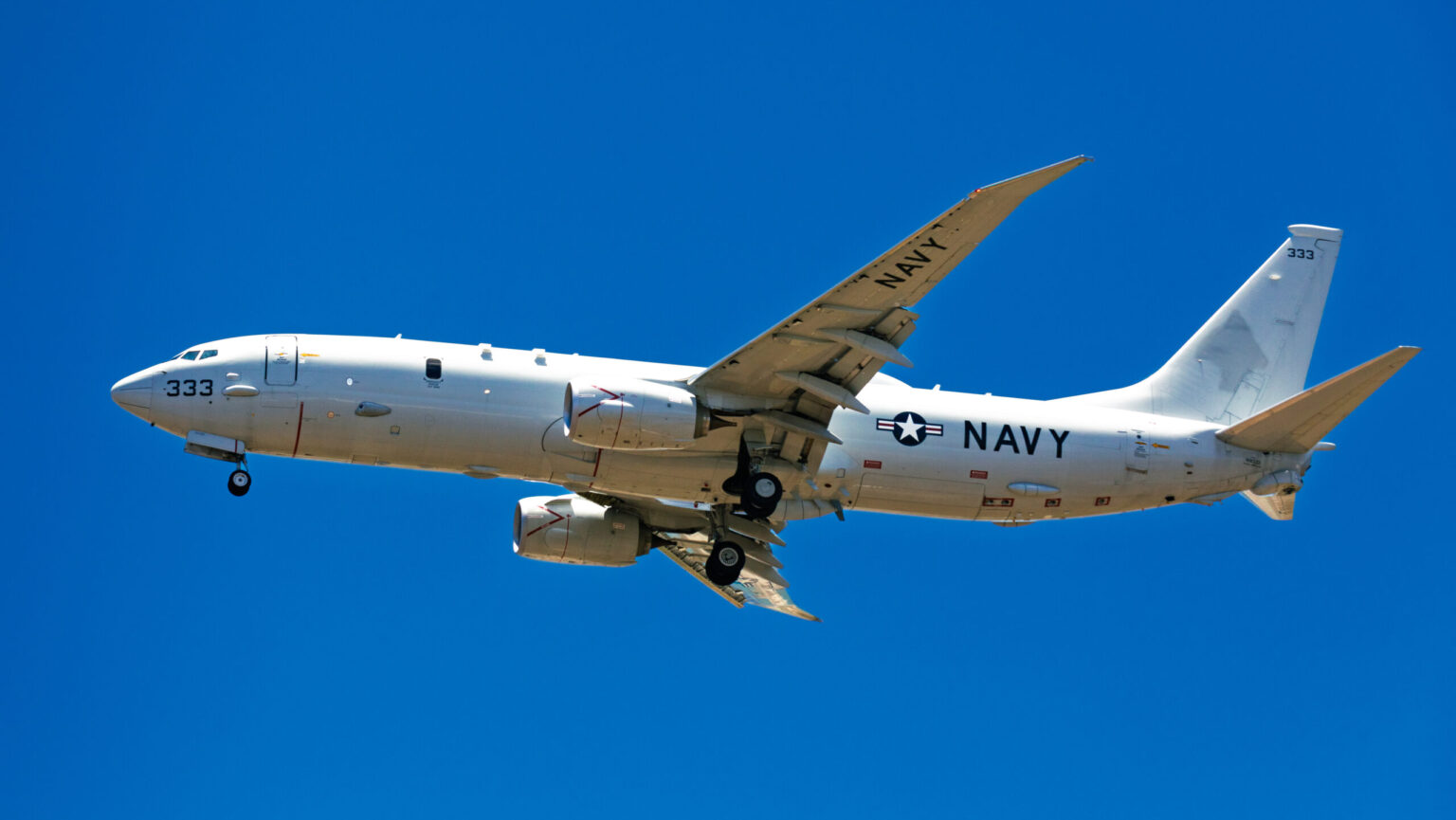
The Danish Ministry of Defence has made a decisive move to secure the polar region by approving the acquisition of two Boeing P-8 Poseidon maritime patrol aircraft. This strategic decision aims to bolster the nation’s combat power in the Arctic and North Atlantic, areas that have increasingly become geopolitical flashpoints. The move follows a formal recommendation from the chief of defense, Gen. Michael Wiggers Hyldgaard, and underscores Copenhagen’s commitment to protecting its sovereign interests.
The polar stakes: bolstering combat power in the High North
The announcement coincides with the NATO summit in Turkey, a setting dominated by major weapons deals and military support discussions. In recent months, Denmark has intensified its maritime and subsurface surveillance efforts amid rising Russian threats and President Donald Trump’s renewed focus on Greenland. „We must be able to defend all parts of the kingdom,” Gen. Hyldgaard stated, noting that the new aircraft will enable long-range interception and monitoring missions.
Submarine hunting and the response to geopolitical pressure
The P-8 Poseidon is globally recognized for its versatility in anti-submarine and anti-surface warfare, equipped with advanced intelligence, surveillance, and reconnaissance systems. By making this purchase, Denmark fulfills its NATO obligations, contributing directly to the alliance’s collective defense. The investment, valued at tens of billions of Danish kroner, is seen as a necessary technological response to the increasing frequency of foreign submarine incursions in northern waters.
A multi-billion dollar investment in transatlantic cooperation
The Danish Defence Command has already opened an inquiry into potential collaboration with other NATO allies currently operating the P-8, including Norway, the United Kingdom, Germany, and the United States. Such cooperation could involve the establishment of joint units, shared airbase operations, and integrated maintenance and training programs. This multilateral approach not only optimizes the significant financial costs but also solidifies a united front against security challenges in the Arctic Circle.