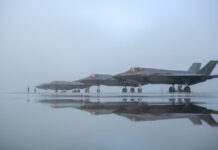

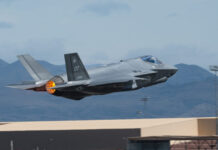





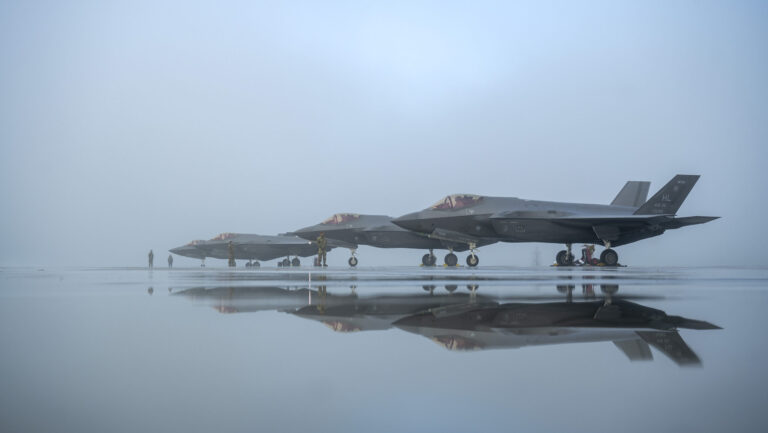
The United States Air Force has set a new strategic objective, determining that it will require 1,509 combat-ready fighter jets by 2035. This figure is deemed necessary to address a „moderate risk” operational profile, according to a recent report submitted to lawmakers. The number marks a significant increase from previous estimates, reflecting the rapid shifts in the global security landscape.
A Higher Bar for National Security
The analysis, dated August 2026, does not only adjust the total number of required airframes but also proposes a paradigm shift in how combat capacity is calculated, heavily influenced by lessons learned during the conflict with Iran. In addition to the projection of 1,509 aircraft for a moderate risk profile, the report highlights that 1,723 aircraft would be needed to reach a „low risk” operational profile—a substantially higher figure than last year’s estimate of 1,558. Military officials have emphasized that their strategy focuses on managing a moderate level of risk, noting that planning for „low risk” is generally not a sustainable approach.
Financial Hurdles and Industrial Constraints
Despite these clear projections, achieving the goal of 1,509 aircraft faces the harsh reality of funding. Historically, the service has struggled to secure the necessary budgets for procurement, having to compete with major priorities such as modernizing the nuclear arsenal. The lack of stability in resource allocation, combined with lawmakers’ reluctance to approve certain divestments, forces the Air Force to retain aging platforms in service, generating high maintenance costs.
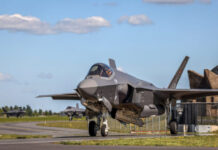
Furthermore, the industry’s ability to deliver aircraft on schedule remains uncertain. Delays in F-35 modernization and production struggles for the F-15EX have pressured the delivery timeline. In this context, negotiating multi-year procurement contracts is seen as essential to provide industry with a clear demand signal and to avoid the erratic annual budgetary appropriation process.
The Metric Debate: Redefining Combat Readiness
A central point of the report is the debate over fleet accounting methodology. The Air Force maintains that its preferred metric, „Combat Coded Total Aircraft Inventory” (CC TAI), provides a much more honest and accurate picture of real combat capability than the „Primary Mission Aircraft Inventory” (PMAI) measurement currently favored by Congress. The CC TAI method includes backup and attrition reserve aircraft, more accurately reflecting the consequences of intense conflicts, as observed in recent Middle Eastern operations where a significant number of airframes were damaged or lost.
Lessons from Iran and the Future Fighter Mix
While the F-35 and F-15EX remain the pillars of modernization, leadership is also weighing alternative options, including the possibility of purchasing a new build of F-16s to recapitalize older aircraft. Meanwhile, operational dynamics have been marked by the combat use of A-10 squadrons, whose service life has been extended to the end of the decade. Although the revised figures in the new report were generated through analysis planned prior to the conflict, the conclusions regarding sustainment and operational losses are inextricably linked to the harsh realities of recent warfare, demonstrating the need for a fleet capable of sustaining high-intensity operations over the long term.