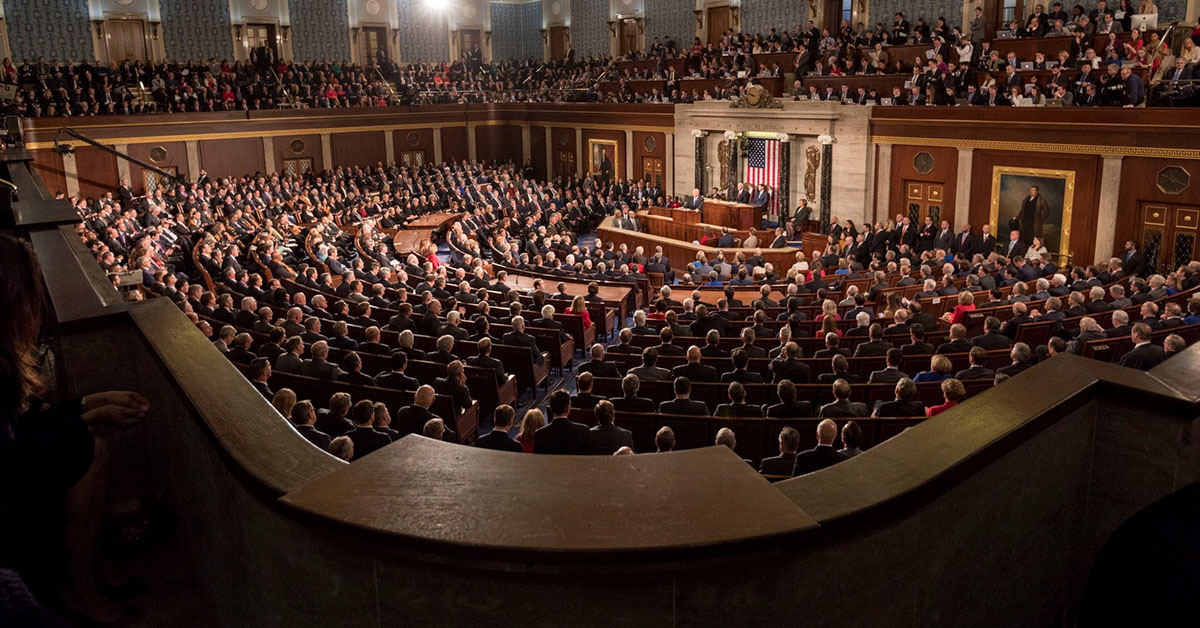
A period of uncertainty and dysfunction came to an end today as the House of Representatives voted to terminate the longest government shutdown in United States history, after 43 days of impasse. The decision, solidified by a 222-209 vote, was followed by President Donald Trump’s signing of the bill, paving the way for temporary federal funding until January 30.
A Difficult Vote with Immediate Implications for Thousands of Employees
The House vote largely reflected party-line divisions, coming just days after the Senate approved the budget plan with a 60-40 majority, supported by seven Democrats and one Independent Senator alongside Republicans. Only one Republican, Rand Paul of Kentucky, voted against the bill. The legislation not only ensures stopgap funding but also guarantees backpay for furloughed workers and the reinstatement of those fired during the six-week shutdown. The government shutdown began on October 1, due to Congress’s failure to pass a budget for fiscal year 2026.
Strategic Defense Exceptions: Wedgetail Back on Track
Most defense programs will operate under fiscal year 2025 funding levels – effectively, fiscal year 2024 levels, given that FY25 was covered by a full-year continuing resolution. However, there are a few notable exceptions, highlighting strategic priorities.
A salient example is the allocation of nearly $200 million for the Air Force’s E-7 Wedgetail program, despite attempts by the Trump administration to cancel the project. Congress remained unpersuaded that alternative platforms or space-based solutions could backfill the essential capabilities of the Wedgetail radar plane. The legislation therefore directs the Pentagon to keep the Wedgetail’s development on schedule for its transition into production and to shift unobligated procurement funds into ongoing research and development.
Substantial Support for the US Fleet: Billions for Shipbuilding
In addition to the Wedgetail program, approximately $1.1 billion is earmarked for 14 shipbuilding programs, aimed at completing ongoing work. Beneficiaries include the Ford-class aircraft carrier program, which will receive $150 million, and the Virginia-class submarine program, which will benefit from a combined total of over $510 million across various line items. This capital injection underscores the commitment to support and modernize the American naval fleet, essential for global power projection.
The solution adopted today is a provisional one, but it provides a much-needed lifeline to the federal administration and the defense sector, allowing critical operations to continue while a long-term budgetary solution is sought.