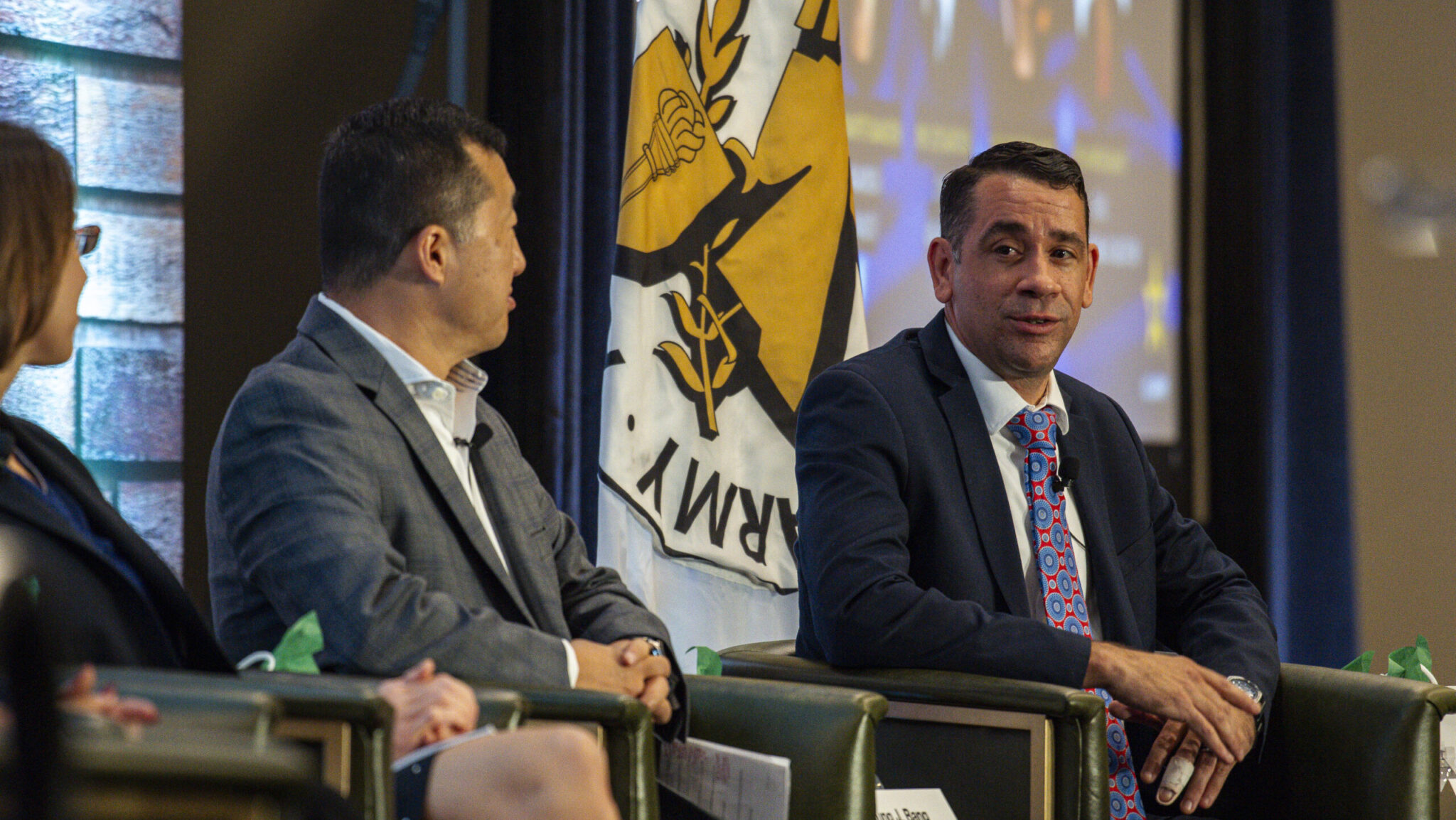
The US Army’s Chief Information Officer (CIO), Leonel Garciga, has issued a stark warning about the dual nature of artificial intelligence, labeling it a „powerful but dangerous tool.” His top priority is ensuring the safe and responsible adoption of AI within the military.
AI’s Potential and Perils
Garciga acknowledged the immense potential of Large Language Models (LLMs) to save time and resources for Army personnel dealing with complex paperwork. However, he stressed the need for caution, emphasizing the importance of safeguarding military secrets, sensitive personal data, proprietary contractor information, and the public’s right to know.
FOIA and AI: Updated Policies
Garciga highlighted the recent update to the Army’s Freedom of Information Act (FOIA) and records management policy to specifically address AI. He emphasized that using AI tools does not absolve personnel from meeting these requirements, reiterating the Army’s commitment to transparency and accountability.
Blocking Early Implementations
Driven by these concerns, the Army blocked access to some earlier government implementations of generative AI, including the Air Force Research Laboratory’s NIPRGPT, after launching its own Army Enterprise LLM Workspace in May. This Workspace has since been endorsed by the Pentagon’s Chief Digital and AI Office.
Security Concerns Drive Ban
Garciga clarified that the ban was not intended as criticism of the „first wave” government GenAIs, which played a valuable role in familiarizing federal employees with LLMs. However, the security posture of these early implementations raised concerns, particularly regarding the processing of personally identifiable information (PII) and sensitive contract data.
Leveraging Commercial Solutions
Garciga noted that the commercial AI sector has already invested heavily in enhancing the safety, security, and record-keeping capabilities of GenAI. He argued that the government should leverage these existing solutions rather than reinventing the wheel.
„We’re a Little Bit Behind”
Garciga admitted that the federal government may be „a little bit behind the curve” in adapting legislation and policies to the advent and deployment of LLMs.
Catching Up and Ensuring Compliance
The Army is actively working to catch up. The roll-out of the Enterprise LLM Workspace and the updated FOIA policy are part of a broader effort to ensure compliance across various software suites. The Army is collaborating with vendors to update service-level agreements and ensure data security.
Acknowledging Challenges and Prioritizing Data Protection
Garciga acknowledged that challenges remain in ensuring compliance across the entire Army, given its size and complexity. However, he emphasized the Army’s commitment to protecting its data and disseminating information about best practices.