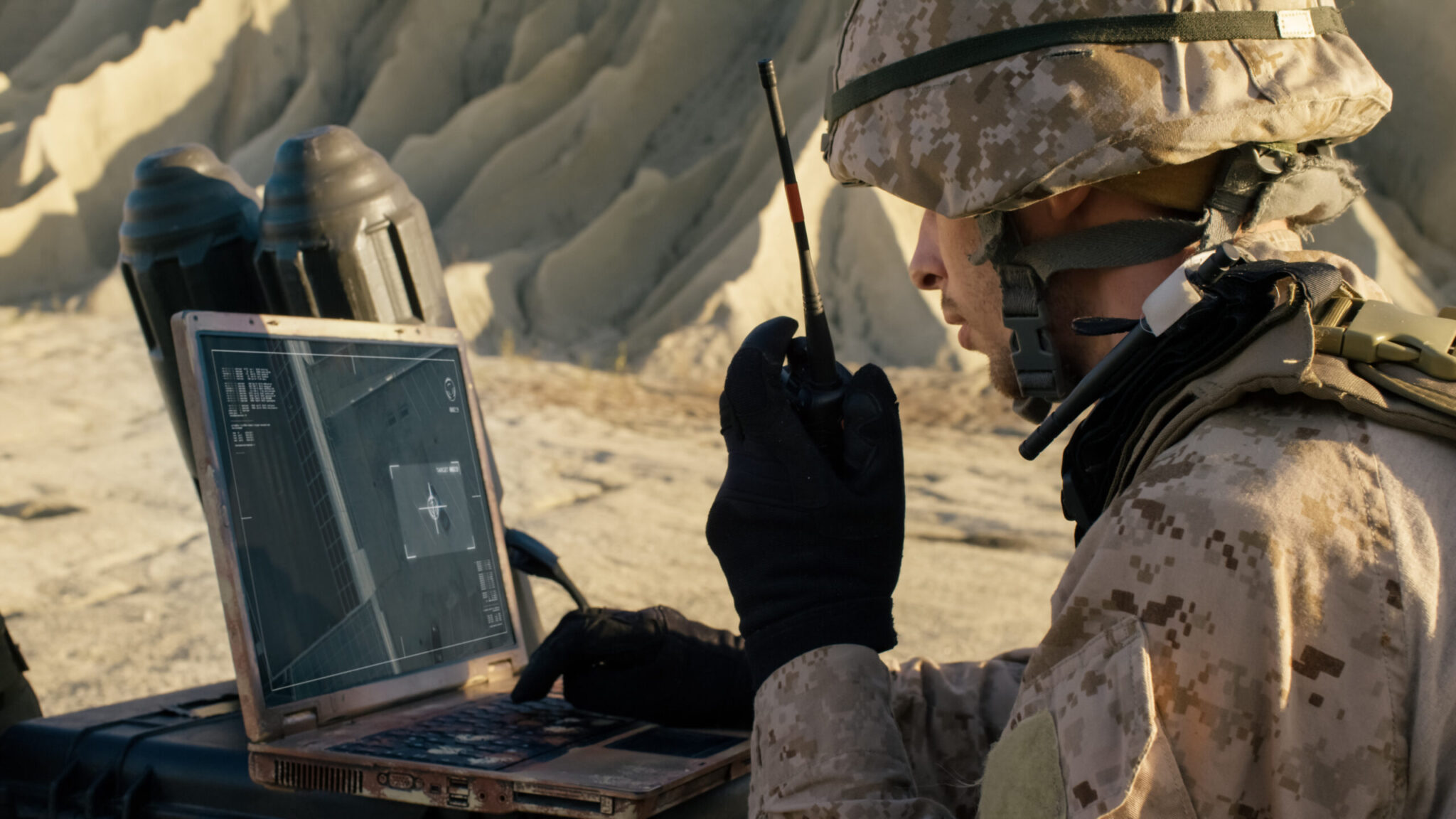
The Army’s radio as-a-service pilot is not progressing as smoothly as hoped, Mark Kitz, the program executive officer for command, control, and communications-tactical, stated today.
During a keynote address in Augusta, Kitz elaborated on the pilot, which was announced nearly two years ago and commenced in the spring. He noted that initial challenges have emerged due to uncertainty within the Army about how to effectively allocate its investments.
“I think we’re still struggling with what the upfront investments the Army needs to make are and what the return on investment will be for industry,” he explained, adding that the future direction of the program is “not clear.”
„My assessment right now would be lukewarm,” Kitz remarked regarding the program’s current status.
The radio as-a-service initiative is designed to move the Army away from its traditional methods of purchasing radios. In theory, it has the potential to provide the Army with the latest radios and communication gear while reducing costs, all while fostering innovation in software and hardware resilience.
Under this as-a-service model, the Army is expected to view its new equipment similarly to a subscription service, where companies provide goods or services on a continual basis while also ensuring that the products remain updated. If successful, this model will enable the Army to lease the capabilities it requires on demand instead of having to procure, sustain, and modernize equipment independently for each unit and mission.
The Army has approximately 350,000 radios it aims to modernize, a number that is too large to feasibly update in a timely fashion, especially as the U.S. seeks to stay ahead of potential threats from adversaries like China and Russia, who possess advanced communication capabilities.
“In our as-a-service model, I think we’re experiencing mixed results with radio as-a-service,” Kitz acknowledged. However, he added, “I would tell you the Under Secretary of the Army is very committed to it and believes we’re going to achieve a strong return on investment. I think that’s going to be an ongoing conversation with industry.”
It’s important to remember that pilot programs are often used to identify and resolve early issues in the process. Kitz referenced another initiative, the SATCOM as-a-service pilot program, which he said has received “really positive feedback on industry’s ability to meet the demand cycle and our responsiveness to user needs.”
The SATCOM program operates similarly to the radio initiative, but its objective is to provide commercial satellite communications through an as-a-service model.