In a move signaling a potential paradigm shift at the top of the Department of Defense, Secretary of Defense Pete Hegseth indicated that the department may be reevaluating the steep aviation budget cuts spurred by the Army Transformation Initiative (ATI). This strategic rethink comes amid growing concerns that the current roadmap could leave ground forces without critical aerial support before next-generation technologies are battle-ready.
A Second Look at Transformation: Hegseth Signals Policy Shift
Hegseth admitted to lawmakers that while the transformation plan contains necessary innovative elements, certain funding slashes for high-profile helicopter programs require a „second look.” This openness to dialogue follows the Fiscal Year 2027 budget proposal, which revealed a near-total collapse in procurement for established platforms.
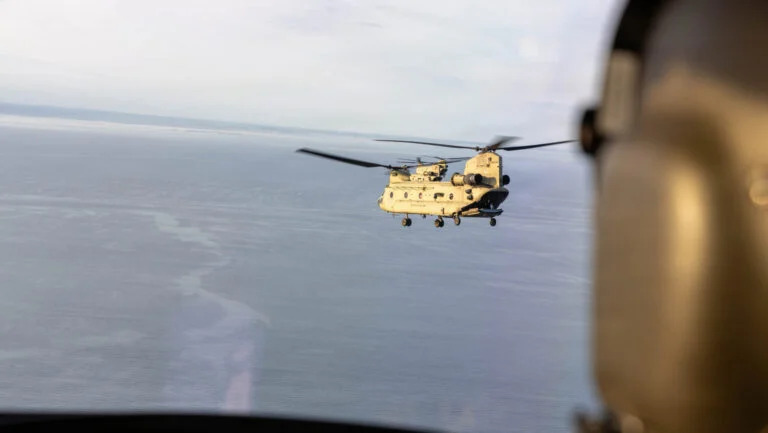
The figures are jarring for aviation advocates: Apache procurement is projected to drop from over $360 million to a mere $1.5 million, while the Black Hawk program faces a contraction from $913 million to less than $40 million. Even the Chinook, the heavy-lift workhorse of the military, is facing a two-thirds reduction in its funding.
Industry in the Crosshairs: The Five-Billion-Dollar Alarm
Lawmakers have voiced fierce criticism, highlighting a blatant contradiction between the National Defense Strategy—which promotes a robust industrial sector—and the planned $5 billion cut to the aviation sector alone. There is a palpable fear that effectively shutting down production lines for the Apache, Black Hawk, and Chinook will not only weaken disaster response and homeland missions but also irreparably damage the defense industrial ecosystem.
„How does reducing procurement for these platforms strengthen rather than weaken the industrial base?” lawmakers demanded, warning that zeroing out funding is tantamount to a forced sunset of the very platforms the force relies on for lift and sustainability.
Proven Platforms vs. Future Promises: Bridging the Capability Gap
While senior military officials maintain that the existing fleet will remain operational through long-term sustainment programs, Hegseth acknowledged the risk of operational gaps. The central issue remains the transition to new platforms, such as the MV-75 (Future Long Range Assault Aircraft). Serious doubts persist regarding whether these future systems can immediately fill the Chinook’s historical cargo role or the Apache’s specialized attack missions.
“We need to make sure we’ve got something there for it before you divest,” Hegseth emphasized. The message is clear: the Pentagon cannot afford to gamble national security on future technological promises without simultaneously maintaining the backbone of an aviation fleet that has already proven its worth on the battlefield.