



















In a period marked by geopolitical tensions at Europe’s borders, Brussels and The Hague have signed a historic agreement for the joint acquisition of air defense systems. The project aims to equip armed forces with cutting-edge technology, from missile launchers to advanced radars, to counter emerging risks.
Rebuilding Belgian air defense after two decades of absence
Belgium has announced a massive 3.1 billion euro investment to acquire two modern air defense systems, marking the country’s return to a military capability it has not possessed for 20 years. Officials emphasized that this step is essential for the protection of the population and critical infrastructure in the context of increasing threats from Russia.
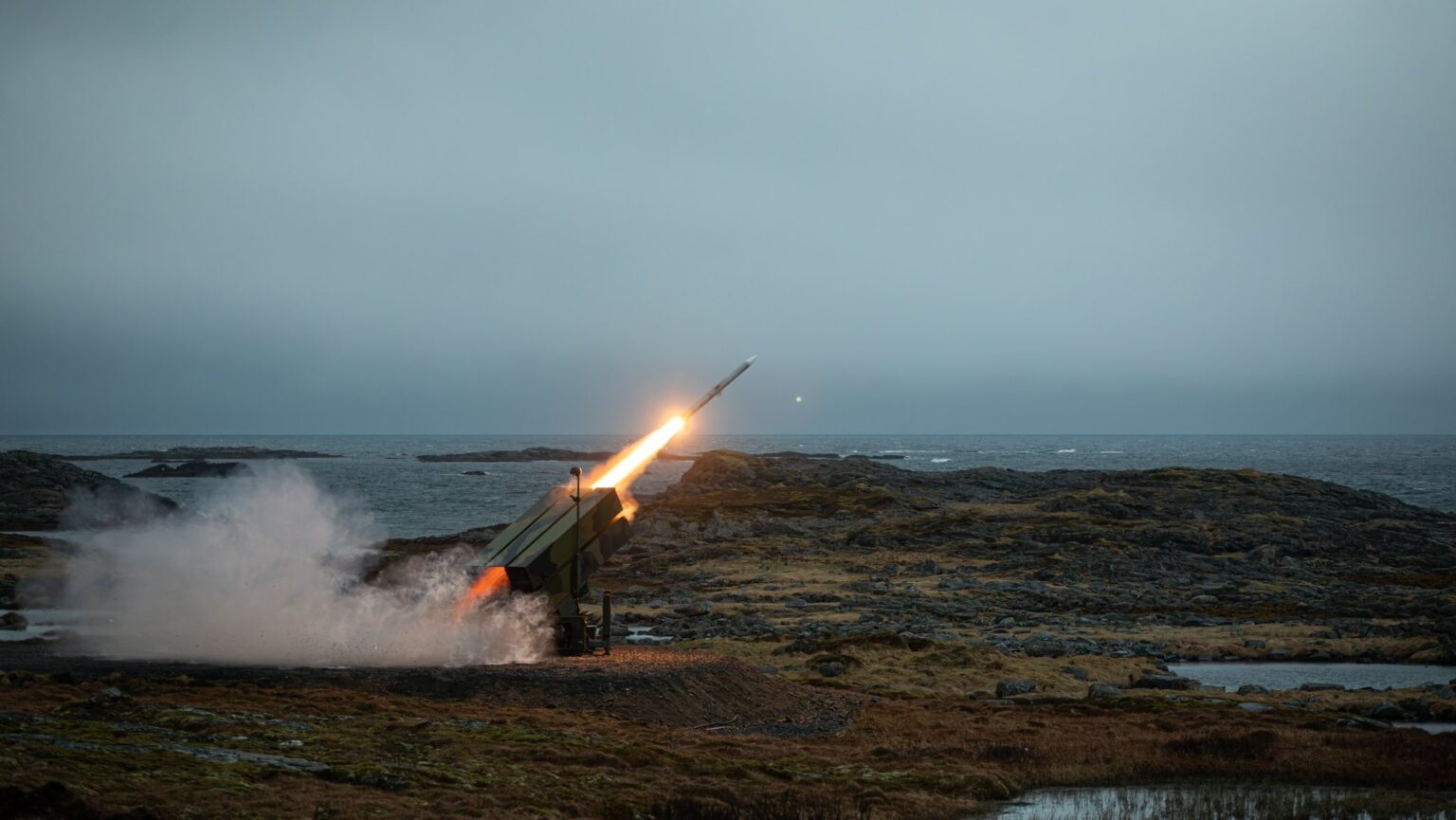
The procurement package includes 10 Kongsberg NASAMS launchers, 20 Rheinmetall SkyRanger 30 assets, 14 Thales GM200 Multi Mission radars, and 54 Iveco command vehicles. This collaboration not only enhances security but also involves local industry, with numerous Belgian companies set to contribute to the development of launch systems, software, cybersecurity, and maintenance.
A shared military architecture to strengthen the Benelux alliance
The partnership between Belgium and the Netherlands is viewed as a model of regional cooperation within NATO and the European Union. By adopting an identical defense architecture, the two states will be able to maximize efficiency in troop training, logistics, and operational deployments. This unified approach under the Benelux umbrella is intended to eliminate individual logistical limitations and create a much more coherent rapid response force.
While Belgium’s investment is clearly established, the financial details regarding the Dutch contribution are yet to be clarified. In addition to short- and medium-range systems, Belgian authorities are also analyzing options for long-range air defense, showing interest in the U.S. Patriot system or the SAMP/T system produced by MBDA.
The fight against drones and new strategic directions for airspace
The summit also served as a platform for launching expanded surveillance and transport initiatives. Belgium joined the Saab GlobalEye surveillance aircraft procurement program, intended to replace NATO’s aging E-3 fleet, and signed cooperation agreements for Airbus A400M transport aircraft alongside partners such as the United Kingdom, Turkey, and Poland.
A central point of the discussions was defense against low-altitude threats, particularly Shahed-type long-range attack drones. Allies announced plans to invest over $40 billion in counter-drone capabilities over the next five years. To ensure the efficiency of these investments, a dedicated „counter-drone marketplace” was created, where systems will be tested and validated according to strict NATO standards.


