












Unprecedented Losses in Defense Portfolio Boeing is expected to announce a staggering $1.7 billion loss across various defense programs when it releases its fourth quarter 2024 results next Tuesday. This projected loss brings the company’s total defense program losses for the year to nearly $5 billion, marking one of the most challenging periods in its history.
Record Year-End Charges The reported year-end charges of $4.9 billion associated with Boeing’s fixed-price weapons contracts represent the largest loss ever recorded by its defense unit, exceeding the previous year’s losses of $4.4 billion. These figures underscore the persistent difficulties facing Boeing’s defense portfolio, as compiled from the company’s financial disclosures by Breaking Defense.
Key Contributors to Losses The fourth quarter losses are notably impacted by an $800 million loss related to the KC-46 tanker program, attributed to higher-than-anticipated manufacturing costs. Boeing indicated that a portion of this loss resulted from labor disruptions caused by the September strike at its Seattle-area machinists’ union, which led to a seven-week production halt affecting various jetliner models, including the KC-46’s twin-aisled predecessor, the 767.
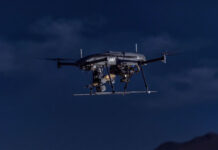
Additionally, Boeing expects to incur a $500 million loss on the T-7 Red Hawk trainer program, driven by increased production costs projected to begin in 2026. The company also anticipates losses in other critical programs such as the VC-25B Air Force One replacement, the Navy’s MQ-25 tanker drone, and NASA’s Starliner, although it has not disclosed specific figures for these initiatives.
CEO’s Commitment to Stabilization Despite these challenges, Boeing CEO Kelly Ortberg expressed optimism about stabilizing the company. In a recent statement, he highlighted efforts to reach an agreement with the International Association of Machinists and Aerospace Workers (IAM), along with a successful capital raise aimed at improving Boeing’s balance sheet. He also noted the restart of production for the 737, 767, and 777/777X aircraft, stressing the importance of taking steps towards a more sustainable future for the company.
Issues with Fixed-Price Contracts Boeing’s defense unit has faced significant difficulties with fixed-price contracts, which require the company to absorb costs beyond a specified threshold. These challenges have been exacerbated by supply chain disruptions, the COVID-19 pandemic, inflation, and labor shortages, leading to soaring costs for programs like the KC-46 and MQ-25. As a result, Boeing executives have communicated a shift in strategy, stating that the company will refrain from bidding on future development contracts structured with fixed-price arrangements.
Financial Outlook For the upcoming quarter, Boeing’s defense unit is projected to report revenue of $5.4 billion, albeit with an alarming operating margin of negative 42 percent. This financial outlook reflects the ongoing struggles within the defense sector as Boeing navigates the complexities of its contract obligations.
Conclusion: A Year of Reckoning The anticipated losses highlight a year of significant challenges for Boeing’s defense operations. As the company aims to implement strategic changes and stabilize its business, it will remain vital to monitor the evolution of its programs and the measures taken to address its financial and operational hurdles.