Boeing’s defense division is poised to report $2 billion in losses from fixed-price contracts when it releases its third-quarter results later this month, the company revealed today. This announcement brings the total defense-related charges for Boeing to a staggering $3.2 billion in 2024. Additionally, the broader Boeing organization has announced a plan to reduce its total workforce by 10 percent.
The financial challenges faced by Boeing’s defense arm have been compounded by an ongoing strike involving its Seattle-area machinists union and the conclusion of 767 freighter production—both of which the company cited as contributing factors to losses related to the T-7A trainer, MQ-25 tanker drone, KC-46 tanker, and NASA’s Starliner during the latest financial quarter.
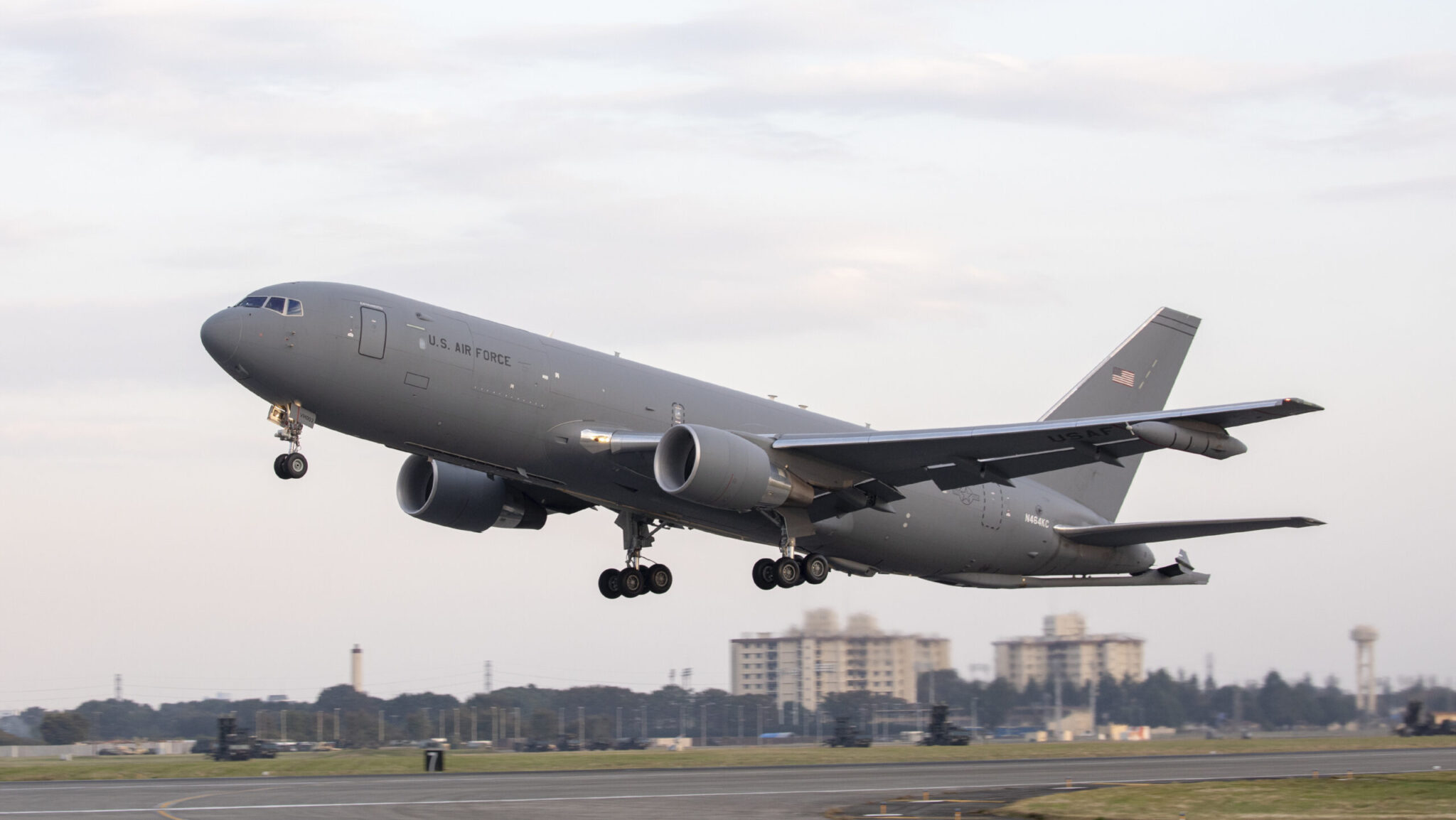
Of the reported losses, the T-7A trainer encountered the largest charge, totaling $900 million, attributed to higher estimated production costs expected to continue through 2026 and beyond. Following this, the KC-46 program logged a $700 million loss, largely due to the decision to cease production of the 767 freighter, which serves as the commercial foundation for the militarized tanker. The ongoing machinists union strike has also halted production of commercial aircraft, including the 767 manufactured in Boeing’s Seattle facilities. The company did not provide a specific breakdown of the losses associated with the MQ-25 and Starliner programs.
In financial projections, Boeing’s defense unit anticipates reporting $5.5 billion in revenue along with an alarming operating margin of negative 43 percent. The current financial distress in the defense sector mirrors that of Boeing’s commercial business, which is expected to register $3 billion in losses for the quarter. These figures are labeled as „preliminary” and may be subject to change.
In light of the company’s financial instability, Boeing CEO Kelly Ortberg informed employees in a letter that the company will proceed with layoffs affecting 10 percent of its workforce, which will include executives, managers, and staff. While Ortberg did not specify how many of these layoffs would impact the defense division, he indicated intentions to implement “additional oversight” on the defense business and fixed-price development programs in the future.
“In BDS [Boeing Defense Space and Security], our performance on fixed-price development programs is simply not where it needs to be,” Ortberg stated in the publicly released letter. He further noted that substantial new losses in BDS are expected this quarter due to the ongoing work stoppage on commercial derivatives, continuing challenges within programs, and the decision to finalize production of the 767 freighter.
Last month, Boeing also announced the departure of Ted Colbert, who has led its defense unit since 2022. The company has yet to name a full-time successor for his position, adding to the uncertainty surrounding the leadership of Boeing’s defense operations.