Major strides achieved after years of technical hurdles
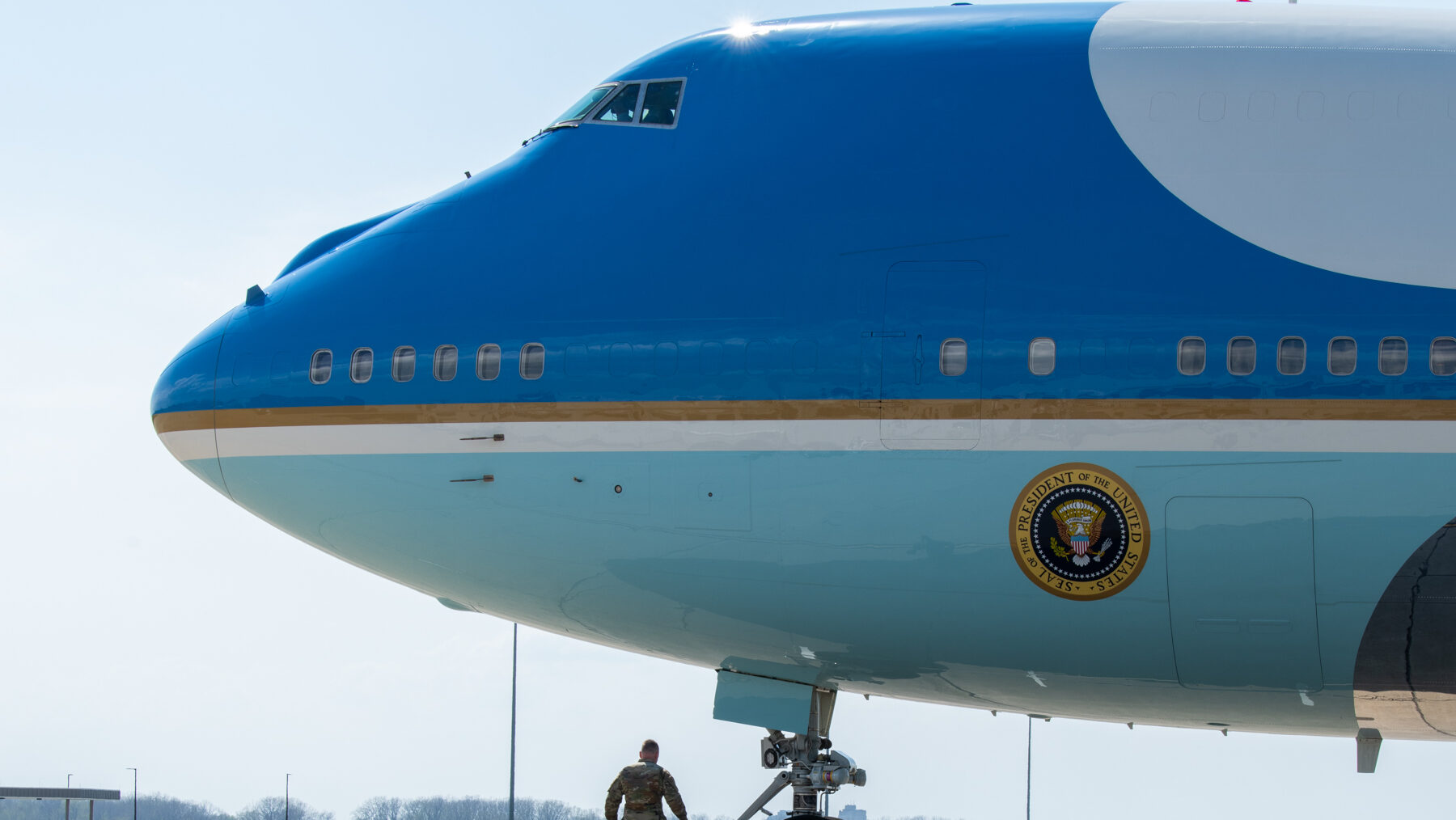
In a significant update, Boeing announced it is “very close” to finalizing the design of two new Air Force One jets, with recent adjustments to aircraft requirements potentially enabling an earlier delivery than previously anticipated. The head of Boeing’s defense division revealed that recent progress has surpassed expectations, reducing the timeline for deployment.
Rapid Progress After Years of Challenges
“Over the last four or five months, we’ve made more progress than we have in the past four years,” said Steve Parker, interim CEO of Boeing Defense, during a recent industry roundtable. “We’re now on the brink of locking in the aircraft’s design and completing it. We have only a few more discussions left with the Air Force and the administration regarding configuration, but we’re making significant headway.”
Boeing’s effort involves converting two Boeing 747 jumbo jets into new VC-25B aircraft, the formal designation for the next-generation Air Force Ones. The project has faced persistent technical hurdles and schedule delays, with initial estimates aiming for delivery in 2024 now pushed back to as late as 2029, according to sources.
Efforts to Accelerate the Timeline
The delays prompted President Donald Trump early in his second term to task Elon Musk with assisting Boeing in reducing the schedule by eliminating overly complex technical requirements. In May, Air Force officials indicated that a relaxation of specifications could bring the delivery forward to 2027, citing Boeing’s schedule estimates.
While Parker refrained from providing precise dates, he emphasized that the timeline has been “pulled back years to the left”—meaning accelerated—compared to earlier projections. “The administration has been extremely supportive,” he noted. “Elon Musk’s involvement was helpful, but the entire administration’s support continues to accelerate our progress.”
Potential for a Third Presidential Aircraft
Meanwhile, an auxiliary project has gained momentum: converting a Qatar-allocated 747 into a third presidential transport aircraft, potentially available for Donald Trump before the VC-25B jets. The company L3Harris is reportedly involved in modifying this aircraft. When asked about the program’s budget impact, Parker deferred to the White House, stating, “We will support the president in any way necessary. My focus remains on the first two VC-25B aircraft.”
Boeing’s Broader Defense Wins and Future Projects
Despite setbacks with the Air Force One program, Boeing recently secured a major victory with the Next Generation Air Dominance program, now known as the F-47. The company is also competing for the Navy’s sixth-generation fighter, the F/A-XX, against Northrop Grumman, but a formal contract award has been temporarily halted over industry capacity concerns. Navy Secretary John Phelan expressed doubts about the ability of industry to produce two advanced fighters simultaneously; however, Parker confidently stated Boeing can handle both, citing nearly $5 billion invested in new facilities in St. Louis and Mesa.
Debunking the “Fifth-Gen Plus” Threat
Parker dismissed the notion of a “Fifth-Gen Plus” fighter—an idea pitched by Lockheed Martin CEO Jim Taiclet as a lower-cost alternative to sixth-generation aircraft. Lockheed, having lost the Air Force’s Next Generation Air Dominance competition to Boeing’s F-47, is no longer participating in the Navy’s F/A-XX contest.
“I understand the pressures companies face after losing programs,” Parker remarked. “But the strategic choice by the U.S. Air Force to select a purpose-built sixth-generation aircraft like the F-47 speaks volumes. It’s the only rational solution for today’s and tomorrow’s aviation needs.”