Strategic Moves in Air Refueling Development
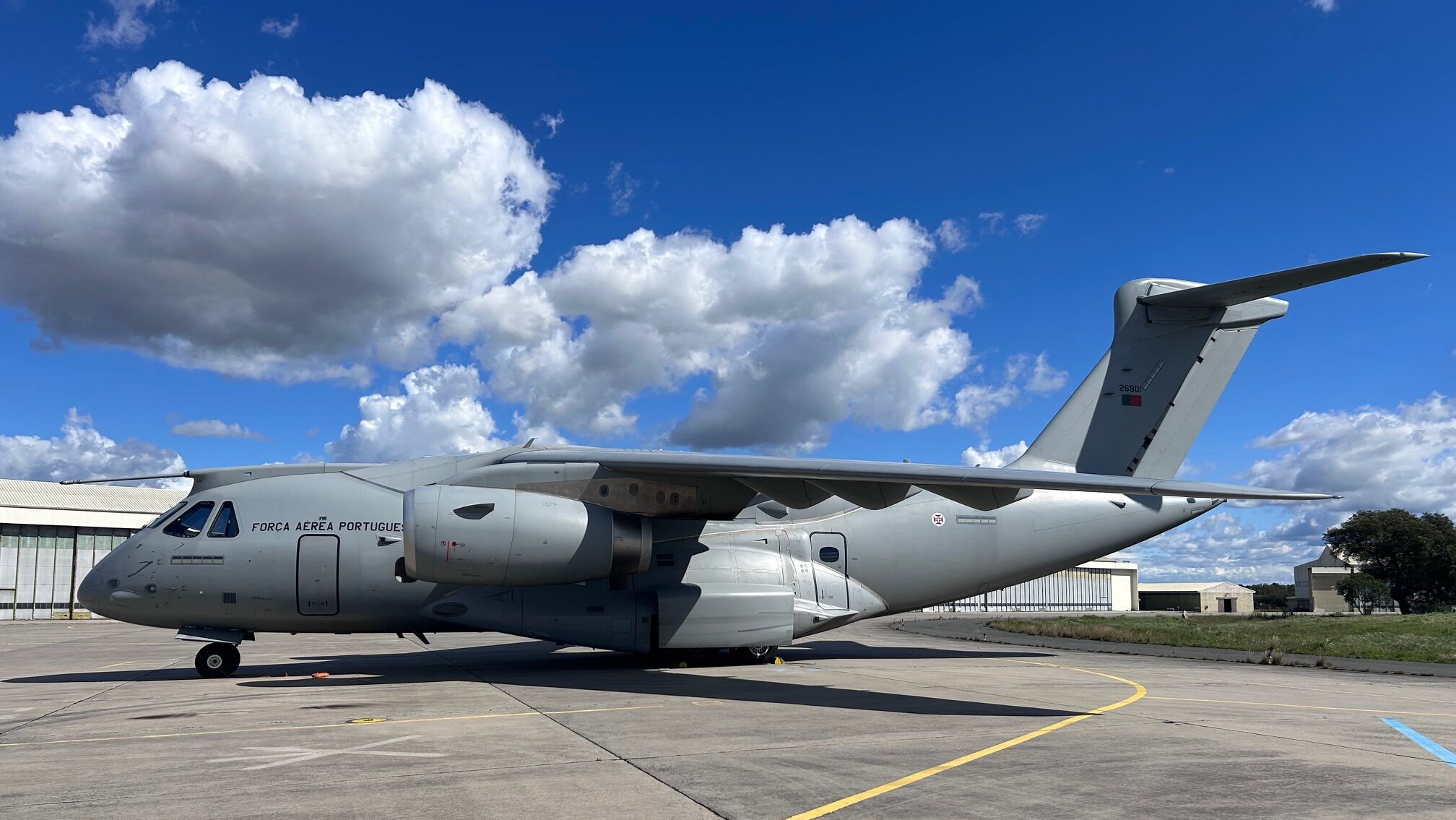
As Brazil’s Embraer seeks to penetrate the American defense market, the company is prepared to modify its investments in the KC-390 agile tanker to accommodate a purpose-built refueling boom for the U.S. Air Force. This potential adjustment comes amidst expectations that the Air Force will soon share the results of its Next Generation Air Refueling System (NGAS) analysis, which may accelerate the acquisition process for future tanker capabilities.
The results of the NGAS analysis, detailed by Defense One, are anticipated to provide the defense industry with clearer guidance on the integration of a stealth tanker platform into upcoming force designs, particularly after Boeing’s recent contract award for the Next Generation Air Dominance (NGAD) sixth generation F-47 fighter jet.
Frederico Lemos, Embraer Defense and Security’s chief commercial officer, highlighted the company’s interest in the broader tanker fleet requirement identifying 455 aircraft, with an immediate need for 120-140 units. “If the Air Force decides to move forward with NGAS…we [at Embraer] need to adjust that investment timeline accordingly,” he noted during a recent visit to Lisbon.
Exploring Partnerships and Production Options
Previously, Embraer and L3Harris had ended their partnership to present the KC-390 and boom design to the U.S. market, but efforts to establish new collaborations are underway. Lemos stated that while discussions with U.S. firms are productive, they need clarity on the path forward for the necessary capabilities. Most KC-390 subsystems, including its engines and avionics, are already produced in the U.S., which aligns with the goal of facilitating partnerships for the boom design.
“We believe that the boom is crucial for our success in the U.S. market, and we are exploring various integration options,” Lemos explained. He emphasized the importance of maintaining the KC-390’s multirole capabilities while integrating new refueling technology.
Should Embraer secure a contract from the Pentagon, Lemos expressed a willingness to establish a local production line, similar to what was done for the A-29 Super Tucano. Although no specific location has been determined, he indicated that decisions will factor in resources, logistics, and workforce requirements.
Awaiting Opportunities in U.S. Air Force Contracts
Embraer has proactively responded to a recent NGAS mission systems request for information and is prepared to engage should further tenders arise. However, Lemos acknowledged uncertainty about future developments in negotiations. “Today, we don’t know what’s going to happen,” he admitted, but assured that the company remains committed to supporting the U.S. Air Force.
Despite Embraer’s determined efforts to establish a foothold in the U.S. market, the country is not currently part of the KC-390 user group, which consists of existing operators and prospective buyers. The user group has seen rapid expansion in Europe with orders from nations such as Austria, the Czech Republic, Hungary, and Portugal, among others.
Maj. Gen. Joao Nogueira from the Portuguese Air Force noted the absence of U.S. participation in the user group. “That would be an outstanding step for sure, if the U.S. decided that this could be a good platform,” he commented, emphasizing the significance of U.S. engagement with the KC-390 program.
As Embraer navigates the complexities of the U.S. defense market and considers strategic adjustments to its KC-390 offering, the outcome of the Air Force’s NGAS analysis could significantly influence its future trajectory in American military aviation.