Costs from Tariffs Continue to Emerge
In the wake of recent comments from President Trump regarding potential tariff increases, defense firms with ties to the commercial aerospace market have indicated they could face added costs amounting to hundreds of millions. However, the overall defense sector remains largely insulated from the more significant impacts of the tariffs, as highlighted by executives from the top six U.S. defense contractors during recent earnings calls.
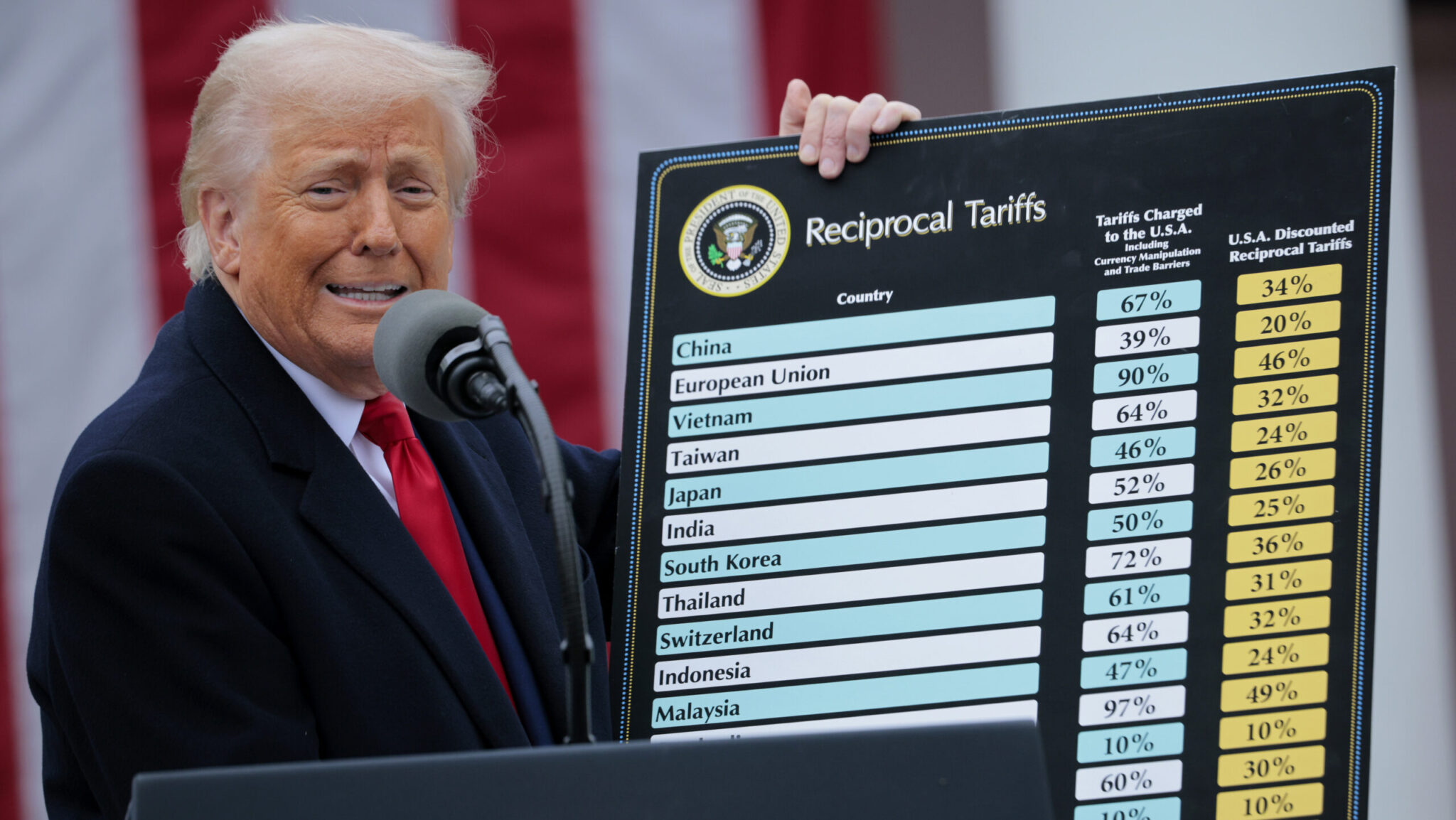
President Trump mentioned he is contemplating the reinstatement of reciprocal tariffs on select countries within the next few weeks, although a 10 percent universal tariff is currently in place. While various sectors, such as airlines and consumer goods, have revised financial forecasts due to tariff repercussions, many defense CEOs reported minimal immediate impact.
A Long-Term Perspective on Economic Implications
Byron Callan from Capital Alpha Partners remarked that while it was expected that the current quarter would show little effect from tariffs, forthcoming second and third-quarter results could reveal more profound implications. He noted, “It’s too soon to really see what broader changes might occur globally,” pointing to the potential for economic recession in the U.S. and its effects on defense spending and federal budget deficits.
Specifics on Defense Contractors’ Financial Exposure
RTX has identified a projected increase of $850 million in costs for 2025, which represents the most significant anticipated impact among leading defense contractors. This figure incorporates mitigation strategies, including exemptions under the United States-Mexico-Canada Agreement. Company CEO Chris Calio reported that the tariff impact on RTX’s Raytheon weapons division is negligible, estimating a cost increase of merely “a penny per share.” The projected costs are more substantial within the Pratt & Whitney and Collins Aerospace divisions, each potentially facing an increase of just over $400 million.
Boeing has estimated a $500 million hike in costs due to tariffs in 2025, primarily affecting its commercial operations. CEO Kelly Ortberg highlighted that issues surrounding contracts with international partners, such as Italy’s Leonardo and Japan’s Mitsubishi Heavy Industries, pose significant risks to Boeing’s commercial business rather than its defense sector.
Lockheed Martin’s Resilience to Tariff Costs
Lockheed Martin’s CEO, Jim Taiclet, expressed confidence in the company’s financial position, suggesting that their earnings would allow for the absorption of known tariff impacts. Approximately 40 percent of Lockheed’s contracts are cost-plus agreements, shielding them from unexpected cost spikes, while most of the remaining fixed-price contracts include clauses that address tariff-related adjustments.
Questions regarding the timing of cost recovery emerged, particularly regarding potential delays between incurring costs and the ability to recover them. Regarding supply chain issues, Taiclet stated that Lockheed is not permitted to source rare earth minerals from China, with the company confident in its current inventory.
Minimal External Dependence for Northrop Grumman
Northrop Grumman reported that only about 5 percent of its supply chain is sourced internationally, mostly from Europe. CEO Kathy Warden indicated that the majority of additional costs linked to tariffs are likely to be absorbed by the U.S. government, leading to little immediate risk for the company.
Evaluating Future Trade Landscapes
L3Harris’s CEO Chris Kubasik noted that the company is currently not experiencing any significant financial impact from tariffs but is actively monitoring the evolving trade environment and has implemented various mitigation strategies.
Overall, the defense sector is navigating tariff challenges with a cautious yet optimistic outlook, emphasizing the importance of adapting to changing economic conditions while maintaining operational readiness.