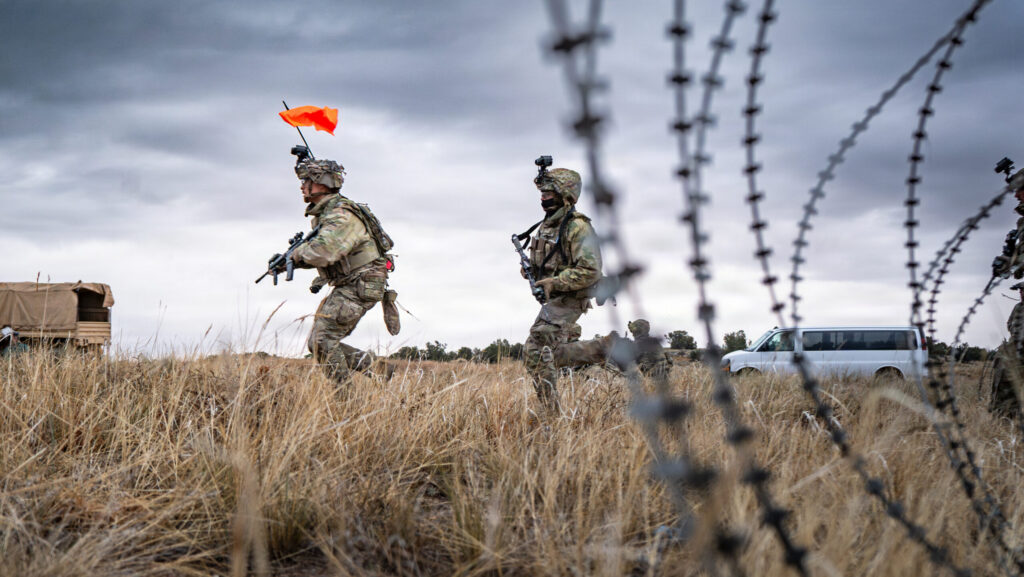
What began as a chance encounter last summer at Fort Carson has evolved into a tectonic shift in how the military approaches the digital battlefield. A routine visit by a senior Special Forces leader sparked a historic collaboration between the 10th Special Forces Group and the 4th Infantry Division, centered on a high-priority network modernization effort: Next Generation Command and Control (NGC2).
Eliminating the Analog Gap: The End of the „Sticky Note” Era
For Maj. Jaysin Williams, 10th Group’s SOF NGC2 Integration Director, the breakthrough occurred during a technical briefing with the 4th Infantry Division. Previously, communication between elite units and conventional forces often relied on manual, outdated methods—sometimes literally involving officers carrying handwritten notes to command cells—a process that increased the risk of fratricide and slowed down critical targeting cycles.
The shift to a new digital architecture aims to replace these „sticky notes” with instantaneous data flows. By integrating into a unified digital kill chain, position data and targeting information are shared in real-time, eliminating confusion and accelerating battlefield response to speeds previously deemed impossible.
Proving Grounds at Piñon Canyon: Two Minutes from Sensor to Shooter
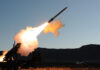
The integration efforts recently culminated in „Ivy Mass,” perhaps the most extensive test of the NGC2 system in a contested electronic warfare environment to date. Operating across a massive 238,000-acre range, Special Forces acted as advanced sensors for the conventional division, demonstrating a lethal efficiency: passing data from a commercial sensor through multiple command layers to an effector in under two minutes.
This exercise proved that Special Operations Forces (SOF) are no longer isolated units but organic components of the broader Army’s command architecture. By utilizing tactical radios and shared data protocols, elite teams can provide a crystal-clear, real-time picture of the enemy directly to conventional command centers.
The Digital Vanguard: A New Era for SOCOM
The success of these experiments is forcing U.S. Special Operations Command (SOCOM) to fundamentally reevaluate its operational business model. The 10th Group has effectively become the pioneer unit, testing and scaling NGC2 for the entire special operations community.
The next strategic milestone involves SOF owning its own „data layer,” allowing elite units to leverage the baseline applications developed by conventional divisions while tailoring them to the unique nuances of special warfare. The message is clear: the wars of the future will not be won by firepower alone, but by the ability to dominate and process information faster than the adversary.