The top air force official from the Netherlands has called for a comprehensive assessment of potential shortfalls within the NATO alliance if the US decides to redeploy key assets from Europe to the Pacific or elsewhere.
Lt. Gen. André Steur, Commander of the Royal Netherlands Air and Space Force, made the remarks during a speech at the Global Air Chiefs Conference in London today, tacitly acknowledging the likelihood of future US force redeployments.
„Significant Worsening” of Existing Gaps
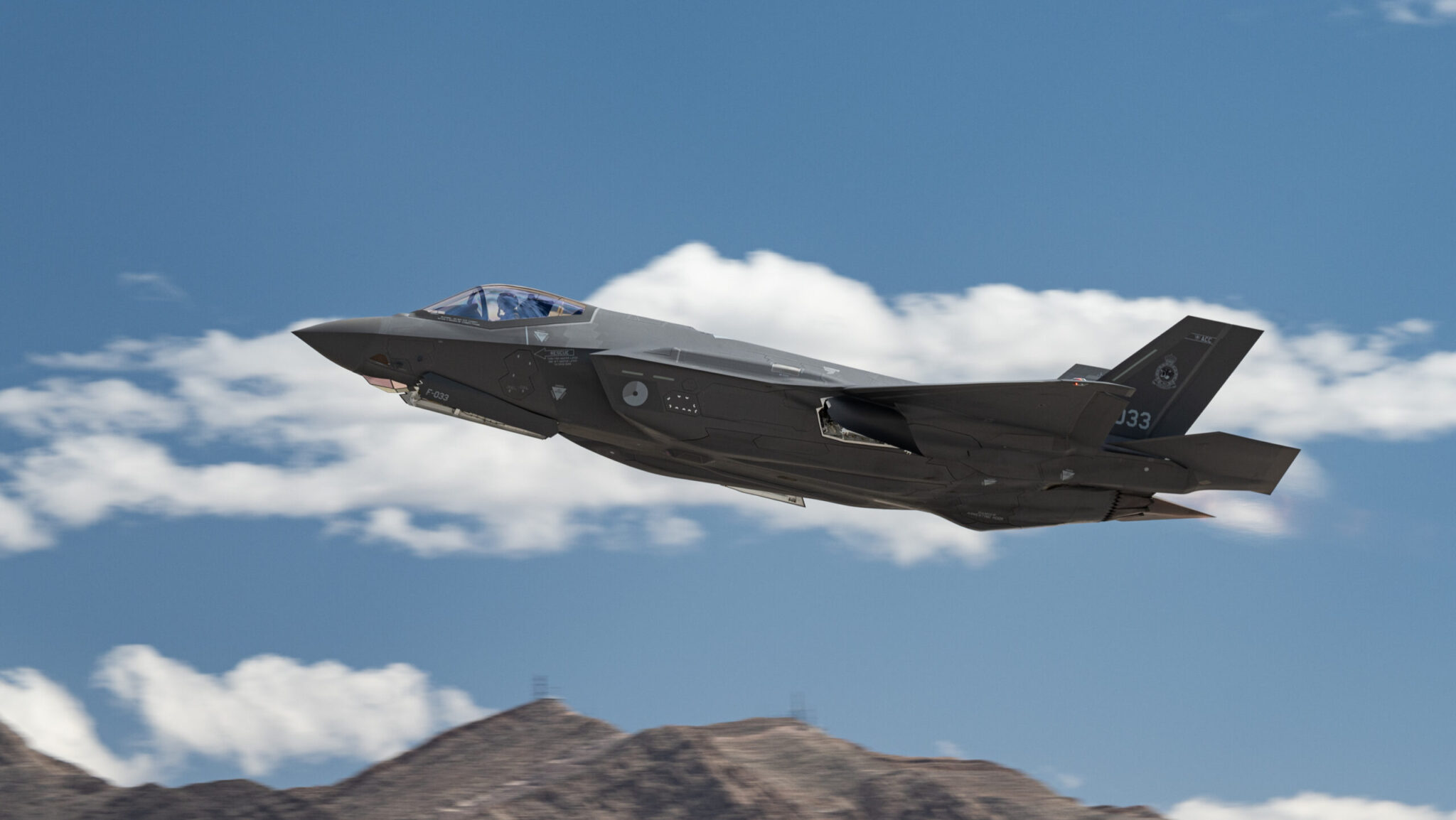
„Current shortfalls within the alliance will significantly worsen if the US needs to focus more and more on current and future developments in the Indo-Pacific,” Steur stated. He urged a „thorough look” into NATO Defence Planning Process targets, particularly investments in command and control capabilities, cyber systems, fifth-generation combat jets, Intelligence, Surveillance and Reconnaissance (ISR), long-range fires, and tankers.
Steur emphasized the need for „deep pockets filled with ammunition,” asserting that „numbers do matter in the world we live in.”
Potential Equipment Shortfalls
According to analysis from the International Institute for Strategic Studies (IISS), replacing equipment potentially pulled by the US would require acquiring substantial replacement kit, including 400 fighter jets, 20 destroyers, 24 surface-to-air missile batteries, 10 nuclear-powered attack submarines, 600 main battle tanks, 800 tracked infantry fighting vehicles, 200 attack helicopters, and other high-end weapon systems.
Pressure on European Nations
Steur’s comments come amidst increased pressure on European nations to bolster their own security. NATO allies recently agreed to a 5 percent GDP spending target, a result of pressure from President Trump, amid transatlantic tensions over Washington’s reliability as an ally. Adding to Europe’s uncertainty, US Ambassador to NATO Matthew Whitaker reportedly stated in May that discussions about removing tens of thousands of American troops from the continent would commence „later this year.”
Maintaining Agility and Flexibility
At an operational level, Steur cautioned against solely focusing on building „fortress Europe” by concentrating forces and war materials on the Eastern flank. He warned that doing so risks losing „agility and flexibility” when executing future conflicts.
Instead, he emphasized the need to „stay unpredictable and preserve the ability to strike anytime, anywhere,” to address potential threats beyond the Baltics.
Addressing the „360 Degrees” Threat
Steur underscored the need to consider threats beyond Europe, noting the potential for future „support of allied efforts” in Africa, the Indo-Pacific, or the Middle East. He advocated for „a balanced set of forces that can secure the alliance but [can] fight evil worldwide.”
What „worries the heck out of me,” said Steur, is the lack of attention to NATO’s „360 degrees” warfighting approach. He argued for the „need to strengthen our air power capabilities across the board to live up to our collective responsibilities.”