Advancements in Military Technology
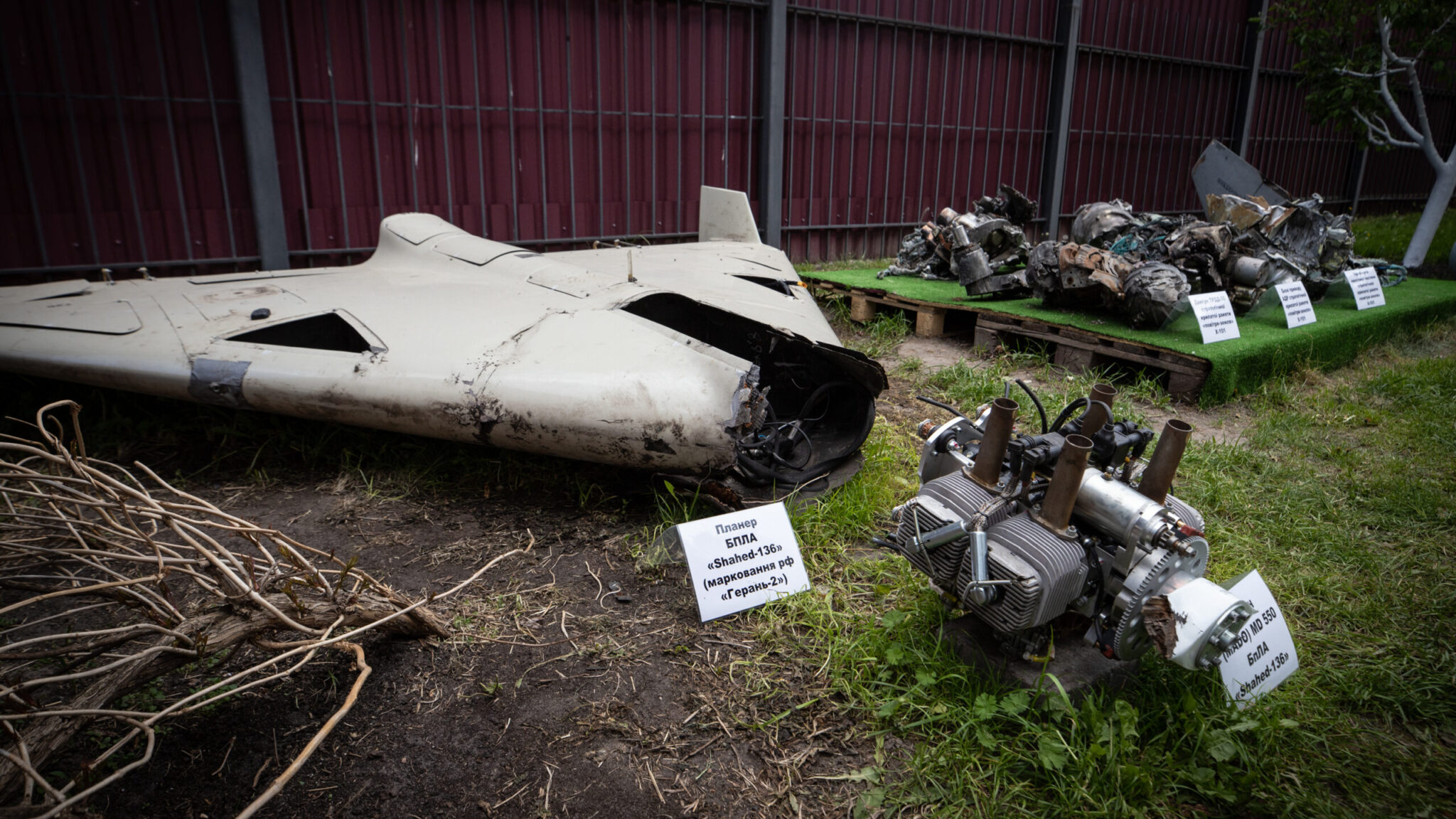
In December 2024, Ukrainian military sources revealed to Western media that Russia has started integrating artificial intelligence into its Shahed-136 strike drones. As stated by Kyiv’s EU Ambassador, Vsevolod Chentsov, this upgrade enhances the drones’ capabilities to evade Ukrainian air defenses and identify high-value targets, particularly energy infrastructure.
Increased Usage of Shahed-Type Drones
Shahed-type drones, including the Russian variant known as Geran and simpler decoy models such as Gerbera, have rapidly become Russia’s most utilized strike drones for daily assaults on Ukraine, with their deployment steadily increasing since their initial use in September 2022.
Clarification on AI Integration
While a Ukrainian military official indicated that the technology currently employed in these drones is more conventional than it appears and does not yet facilitate true autonomous drone swarms, it nonetheless signifies that Russia is heavily investing in AI-driven drone capabilities that could potentially overwhelm Ukrainian defenses. If the U.S. and its allies do not act swiftly, Moscow may advance this capability in the coming years.
Details on the Upgrades
The enhancements to the Shahed-136 include two main upgrades. First, improved navigation is likely based on computer vision algorithms rather than advanced AI. Evidence suggests these drones can operate without GPS using the Digital Scene Matching Area Correlator (DSMAC) system, which compares onboard camera images to a pre-loaded terrain map, thus not qualifying as true autonomous navigation.
Second, these drones are likely equipped with AI models trained to identify energy infrastructure, marking progress toward automated target recognition. Although this concept is not new, modern technology allows for quicker adaptation to dynamic conditions, such as new anti-drone measures implemented around Ukrainian power facilities, enabling precision targeting.
Potential for Autonomous Systems
The integration of autonomous navigation with automated target recognition raises concerns about these drones becoming genuine autonomous weapon systems capable of operating in swarms. Current upgrades to the Shahed-136 indicate that Russia is actively advancing and testing its unmanned swarming capabilities.
Indicators of a Shift in Strategy
There are several indicators signaling this shift. To effectively deploy swarming drones, significant production capabilities are necessary. Russia is improving its manufacturing capabilities within the Alabuga Special Economic Zone, which reportedly produced 2,738 Geran drones in 2023 and over 5,760 units in just the first nine months of 2024. Furthermore, the mass production of simpler Gerbera decoys has been initiated, with plans to create 10,000 units by the end of 2024.
Supply chains for critical components rely heavily on imports from China, which reportedly provides 60% of essential drone parts through an extensive network of companies, facilitating the expansion of Russia’s drone fleet.
AI Collaboration and Global Partnerships
The Shahed drones are being equipped with advanced components for future AI applications, as evidenced by leaked documents disclosing a new variant labeled “MS 236” showcased during a recent visit by President Vladimir Putin. In addition, a partnership with Iran for AI development has been established, further strengthening Russia’s technological capabilities.
Challenges and Recommendations
To combat the escalating threat posed by these advancements, the United States should implement tighter export controls and sanctions targeting not only the directly involved Russian entities but also the broader network of intermediaries and shell companies. Additionally, U.S. efforts must focus on restricting Russia’s access to AI expertise by limiting academic connections and instituting more stringent visa regulations for individuals in sensitive fields.
By pursuing these strategies and offering incentives for Western firms to avoid partnerships with sanctioned Russian organizations, the U.S. can more effectively limit Moscow’s progress in developing mass autonomous weapon systems, such as the Shahed and Gerbera drones.
Conclusion
The evolving landscape of military technology underscores the need for collaborative measures to address emerging threats and enhance global security frameworks. The integration of AI into warfare, particularly through unmanned systems, presents both challenges and opportunities that must be navigated with caution.