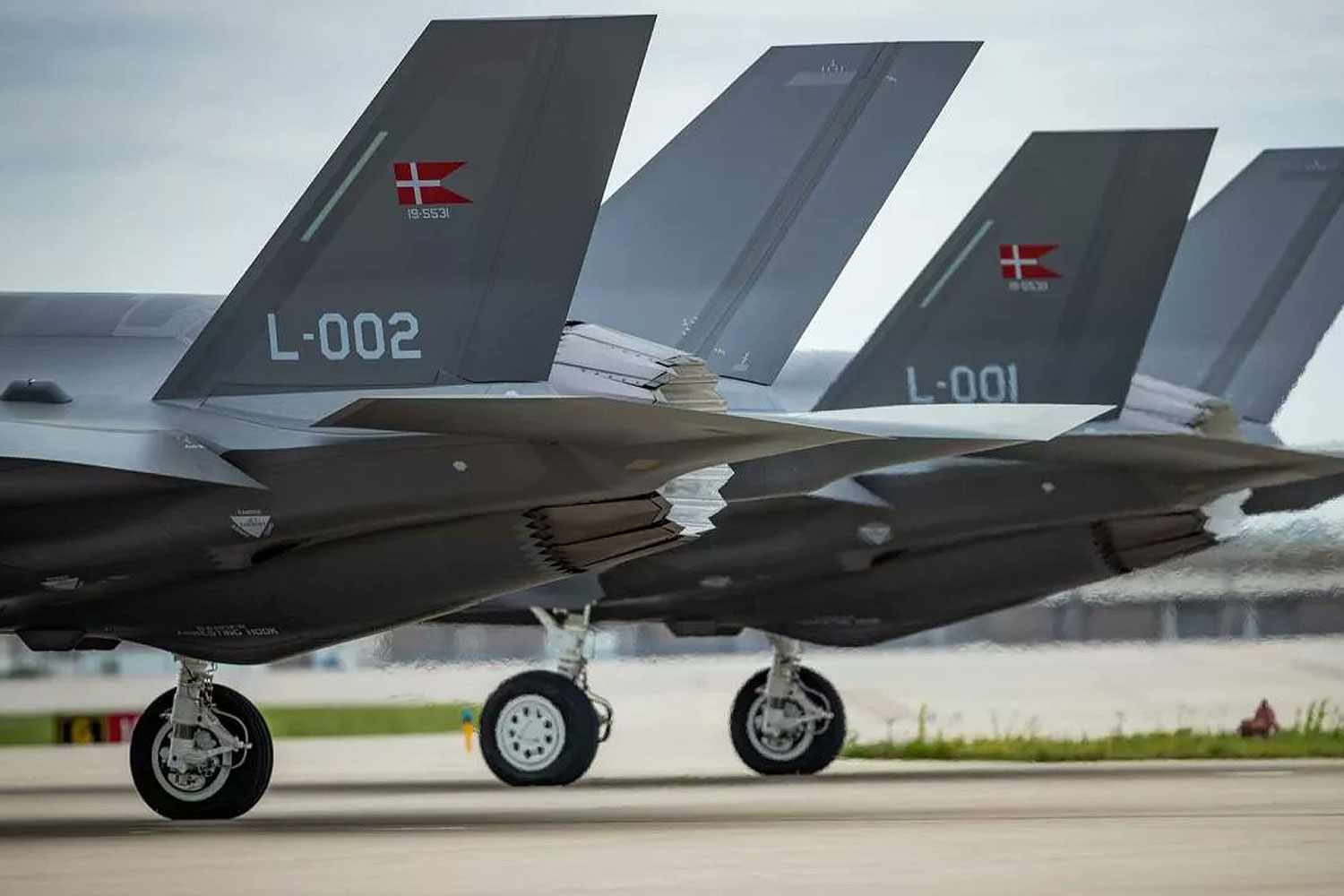
In the last five years, the European continent has emerged as the world’s largest regional importer of weaponry, accounting for a staggering 33 percent of global arms purchases. This trend underscores a major strategic reorientation, marked by a multi-billion dollar rearmament program, fueled by the conflict in Ukraine, hybrid threats, and uncertainties surrounding the United States’ transatlantic commitments.
War Fears Accelerate Demand: NATO Imports Skyrocket
Between 2021 and 2025, Ukraine, Poland, and the United Kingdom stood out as Europe’s leading weapon system importers, with close to half of all supplies to the region originating from the United States. Perceptions of the Russian threat, compounded by doubts regarding American support for its European allies, have driven unprecedented demand. A recent report indicates that the combined arms imports of the 29 current European NATO members grew by 143 percent between the 2016–2020 and 2021–2025 periods, a dramatic acceleration in defense spending. This comparative analysis, conducted over five-year spans, aims to provide a clear picture of trends, avoiding distortions caused by major one-off procurements.
US Dominance Persistent Amidst European Efforts
Despite European initiatives to bolster their own arms production capabilities and an increase in intra-EU orders, the United States has solidified its position as the world’s leading arms exporter. Washington supplied 42 percent of all international defense equipment over the last five years, a six percent increase compared to the previous period.
Interestingly, for the first time in two decades, the largest share of US arms exports (38 percent) was directed to Europe, surpassing the Middle East (33 percent). This shift demonstrates a reorientation of American priorities towards strengthening NATO’s eastern flank. Nevertheless, Saudi Arabia remained the largest single recipient of US arms, accounting for a 12 percent share.
Experts highlight that while European firms have ramped up arms production and the European Union has allocated new funds for member states’ defense industries, imports of US arms, particularly combat aircraft and long-range air defense systems, remained significant from 2021–2025. Concurrently, the largest European suppliers continued to direct most of their arms exports outside the continent.
French, German, Italian Ascendancy: European Producers Gain Global Market Share
Beyond the United States, the global arms export landscape has seen notable shifts. France emerged as the world’s second-largest arms exporter, enjoying close to a 10 percent market share and recording an increase of over a fifth in foreign sales across the two five-year periods analyzed. Nearly 80 percent of French-produced defense goods were sold to non-European countries, with India, Egypt, and Greece being the primary beneficiaries, representing 45 percent of total French supplies.
Germany advanced to the position of the world’s fourth-largest arms exporter, displacing China. Approximately a quarter of Berlin’s exports were destined for Kyiv as military aid. Italian weapon exports also experienced a seismic jump of 157 percent over the same timeframes, with Rome climbing four places to become the sixth-largest exporter globally.
Russia’s Decline: Export Collapse in the Shadow of War
In stark contrast to global trends, Russian weapon exports experienced a drastic 64 percent decline, making it the only country among the world’s top 10 exporters to suffer such a downturn. This collapse is indicative of buyer hesitancy and low confidence, likely exacerbated by Moscow’s severe equipment and personnel losses in the Ukrainian conflict.