



















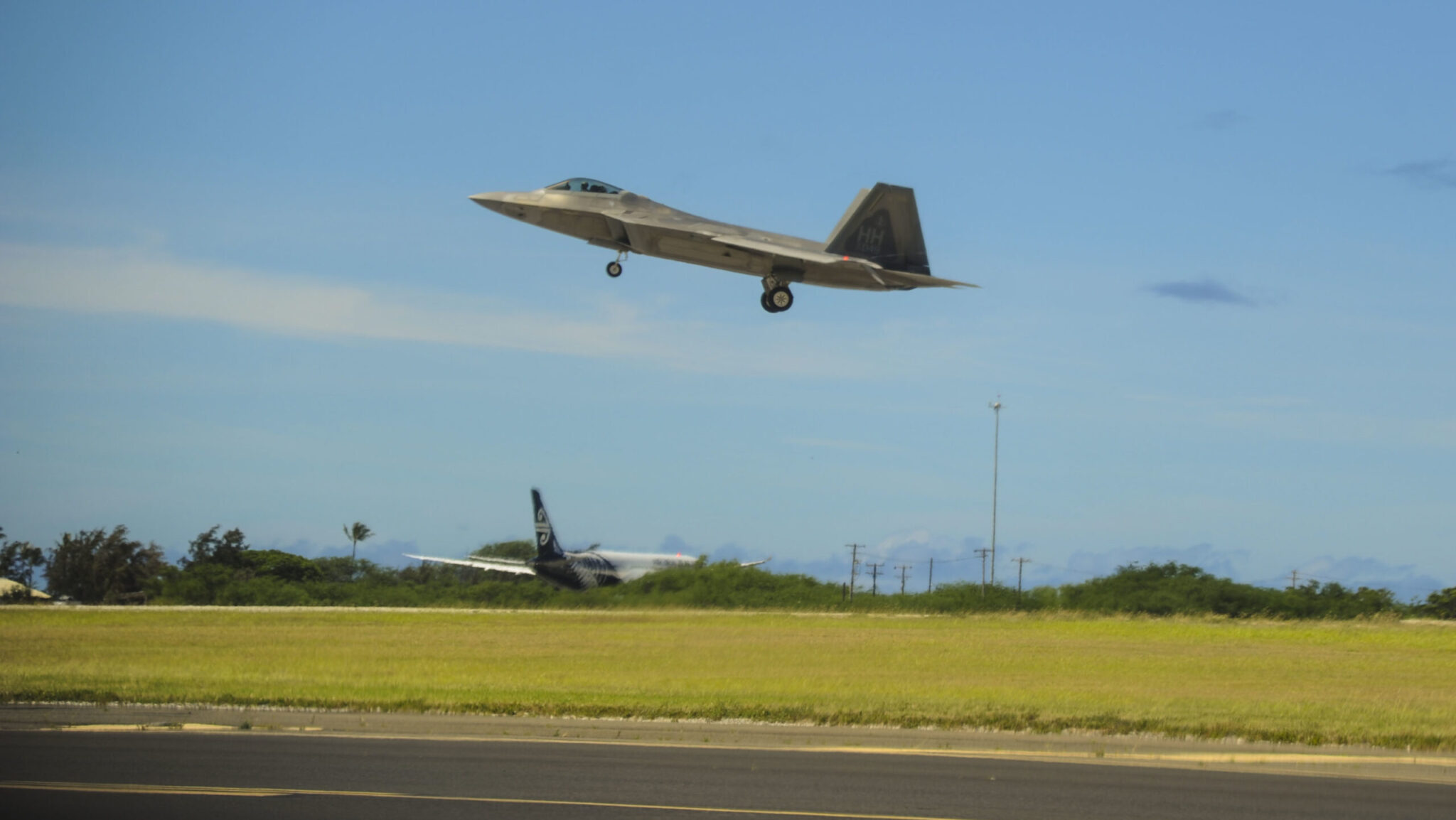
After ten years of significant investment and strong support from leaders, the Air Force is becoming impatient with the Next Generation Air Dominance (NGAD) program, which aims to develop a sixth-generation fighter aircraft to succeed the F-22 as the centerpiece of air superiority. Recently, Air Force Secretary Frank Kendall raised concerns regarding the cost, concept, and engine of the NGAD program, hinting at the Air Force making difficult trade-offs.
This poses a significant risk as the Air Force’s entire next-generation strategy, encompassing the Collaborative Combat Aircraft (CCA), the B-21 bomber, upgraded tankers, and F-35s, was predicated on the deployment of a sixth-generation fighter in the 2030s. Removing the NGAD aircraft from this equation while undergoing redesign could jeopardize air dominance for the joint force.
Kendall’s statements can be attributed to two possible reasons: budget constraints or a growing enthusiasm for the CCA program, which may be diverting attention from the NGAD aircraft. Moving away from the NGAD program could have serious consequences.
The crewed component of NGAD has been a top priority for the Air Force for over a decade, aimed at penetrating targets at longer ranges with stealth, speed, and altitude. The NGAD fighter was intended to replace the F-22, with the program structured to include a combination of crewed aircraft, drones, and weapons. Significant progress was made towards this goal, with technology demonstrators for NGAD flight-tested before 2020.
However, recent comments from Kendall and Chief of Staff General David Allvin suggesting budgetary concerns and a shift in focus towards the CCA program have raised doubts about the future of NGAD. While the CCAs show promise in enhancing the Air Force’s capabilities with a mix of drones, including intelligence, strike, and electronic warfare systems, the increased reliance on unmanned systems introduces new risks.
It is essential to evaluate operational risks in different scenarios, such as the Hellscape, the Chinese interior, and potential contingencies. Without the NGAD, operational risks could escalate, especially in scenarios requiring repeated penetration attacks or simultaneous engagements in multiple theaters against formidable adversaries like China, Russia, Iran, and North Korea.
The decision to potentially sideline the NGAD program raises concerns about maintaining operational effectiveness and the morale of industry partners and aerospace workforce involved in the program. Given the evolving threat landscape and the urgency emphasized by Air Force senior leaders, it is crucial to weigh the implications carefully and avoid compromising national security by neglecting the NGAD program.



