YFQ-42 Combat Drone Engages with Potential Global Buyers Ahead of First Flight
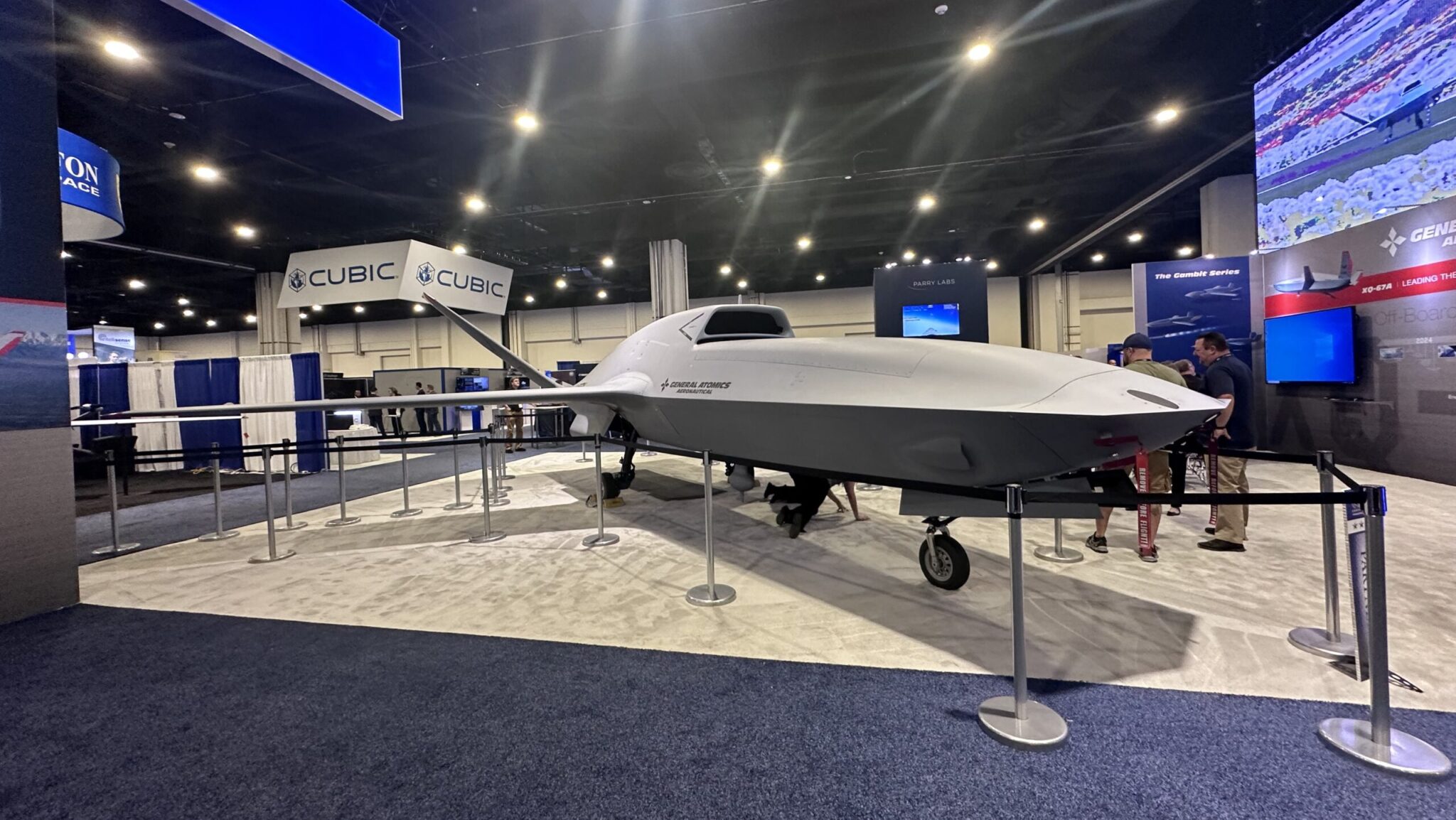
In a notable shift from traditional military procurement timelines, General Atomics is actively engaging with international partners to co-develop and commercialize its upcoming YFQ-42 autonomous combat drone. Speaking with Breaking Defense amid the Paris Air Show, the head of the company’s aeronautics division revealed that potential foreign customers are already involved in preliminary discussions, even though the drone has yet to complete its first flight.
A New Approach to Exporting Combat Drones
Typically, the United States’ flagship combat aircraft programs—such as those for the Air Force—take years to transition from development to international sales. Often, there’s a lag of five to ten years before countries outside the U.S. adopt similar systems. However, General Atomics’ current strategy is breaking this mold.
“It’s unprecedented,” said Dave Alexander. “The Air Force has come in early and said, ‘Let’s do this together,’ rather than waiting for the program to mature. In 45 years of working in this space, I’ve never seen anything like it.”
The YFQ-42 and its competitor, Anduril’s YFQ-44, which is also under development for the U.S. Air Force, are still in the prototyping stage, with no flights yet. Nonetheless, the Air Force has permitted the two companies to conduct sales discussions with select allied nations in Europe and the Indo-Pacific region—an unusual move in the industry’s typical timeline.
Moving Fast in International Business Development
Alexander explained that, after the initial meetings at the Paris Air Show, General Atomics expects to complete export approval processes within weeks. Once cleared, the company plans to begin serious international marketing efforts. The strategy involves establishing a primary local partner—likely a European industry leader—who can assemble and integrate the drone with local sensors, weapons, and mission systems tailored for air-to-ground operations.
“There could be pooled customers,” Alexander added, meaning one coproduction line might supply multiple nations, enhancing efficiency and scalability.
Customization and Adaptation for Different Missions
Some nations are interested in purchasing a drone identical to the U.S. version, while others are exploring modifications—such as changing sensors or weapons—to support different mission profiles, primarily sun in air-to-ground roles instead of the US’s air-to-air focus. This flexibility aims to expand the drone’s appeal across various combat scenarios.
Potential Links to European Sixth-Generation Programs
While discussions continue, Alexander declined to comment on whether General Atomics’ drone initiative is closely linked with Europe’s major sixth-generation fighter projects, like the UK, Japan, and Italy’s Global Combat Air Programme (GCAP) or France, Germany, and Spain’s Future Combat Air System (FCAS). Both programs aim to operate alongside and control combat drones, signaling a broader ecosystem in which the YFQ-42 could eventually play a significant role.
A Bevy of International Opportunities
Bringing a new level of agility to defense exports, General Atomics’ approach reflects a strategic effort to position its autonomous drone technology as a flexible, collaborative solution for allied nations eager to modernize their combat aircraft fleets. The coming months will reveal whether this unprecedented early engagement results in a new global standard for combat drone proliferation.