Wave of Expenditure and Strategic Advancements
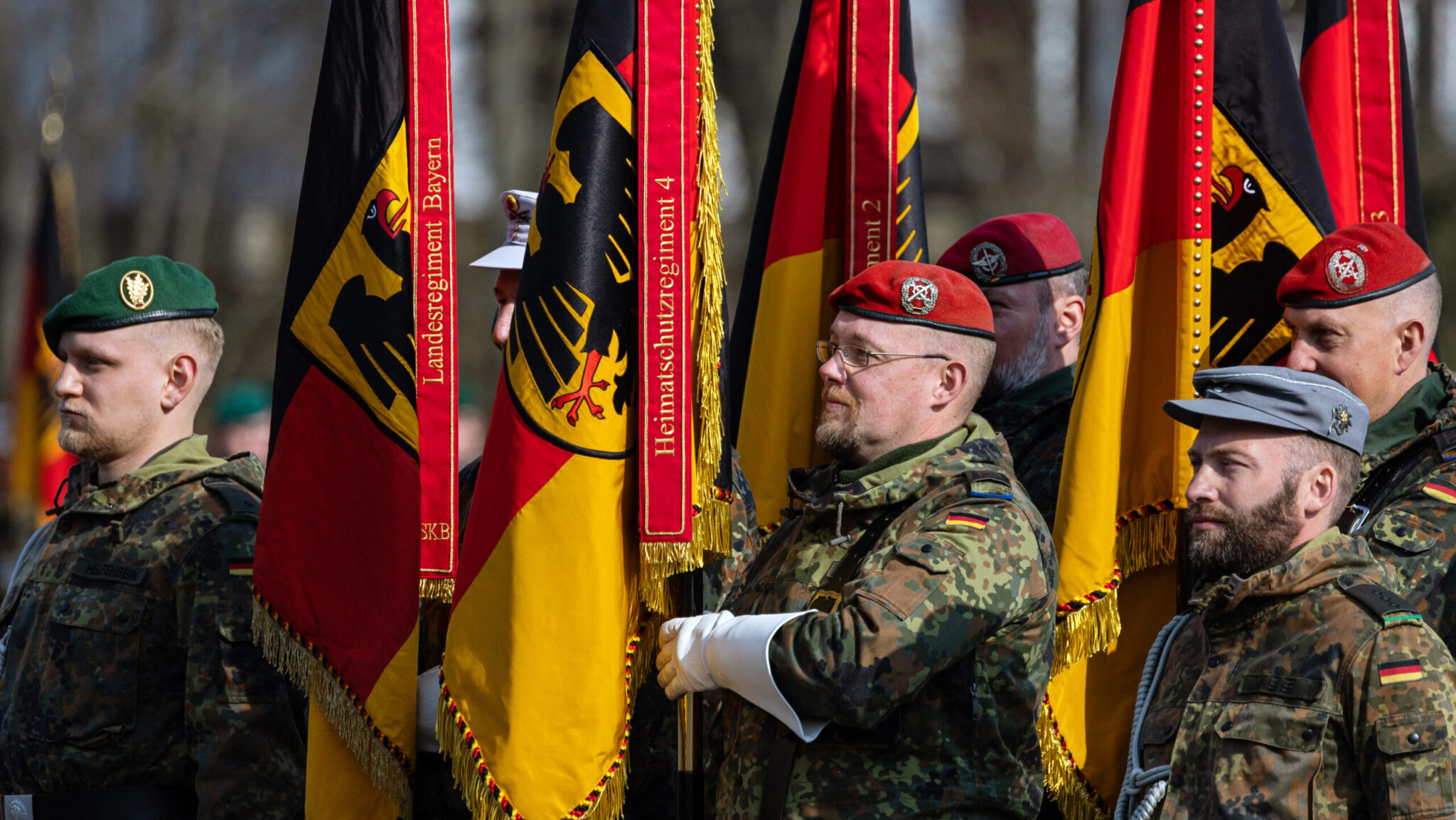
In 2024, Germany’s military expenditures soared to $88.5 billion, marking its emergence as the fourth-largest military spender globally and the most significant in Central and Western Europe since its reunification in 1990. This strategic financial push brings Germany closer to NATO’s defense spending target, as it now allocates 1.9 percent of its GDP, inching towards the 2 percent goal.
According to the Stockholm International Peace Research Institute (SIPRI), this marks a substantial 28 percent increase from 2023 and an 89 percent surge since 2015. The United States maintains its position as the top global spender with $997 billion, followed by China and Russia, spending $314 billion and $149 billion, respectively. Yet, it’s Germany’s sharp rise that captures significant attention.
Strategic Investment and Procurement Boost
Germany’s military boost stems from a €100 billion ($105 billion) fund launched in 2022, which continued to enhance its defense capabilities through 2024. The German parliament used this fund to greenlight essential arms procurement and military research initiatives aimed at strengthening national defense.
Major contracts awarded in 2024 included the procurement of Leopard 2 A8 tanks, U-212CD submarines, Patriot PAC-3 missile defense systems, and artillery ammunition. A remarkable 97 significant procurement and development projects received approval from the Bundestag’s budget committee, with most backing from the special fund, now depleted, according to Lorenzo Scarazzato of SIPRI.
Supporting Allies and Regional Spending Shifts
Moreover, Germany stepped up as a key ally to Ukraine, providing $7.7 billion in military aid, becoming the second-largest donor following the United States. This highlights Germany’s increasing role in global security amid persistent geopolitical tensions. According to newly adopted guidelines, Europe is entering a phase of escalated military spending likely to persist.
Neighboring Poland also saw a 31 percent rise in military expenditures, reaching $38 billion, constituting 4.2 percent of its GDP—a record high in the region. Sweden, having joined NATO, increased its defense budget by 34 percent to $12 billion, aligning with the alliance’s target and more than doubling its expenditure over the last decade.
Germany’s surge in military investment not only underscores its growing security role but also exemplifies broader regional trends towards heightened defense readiness in response to evolving global challenges.