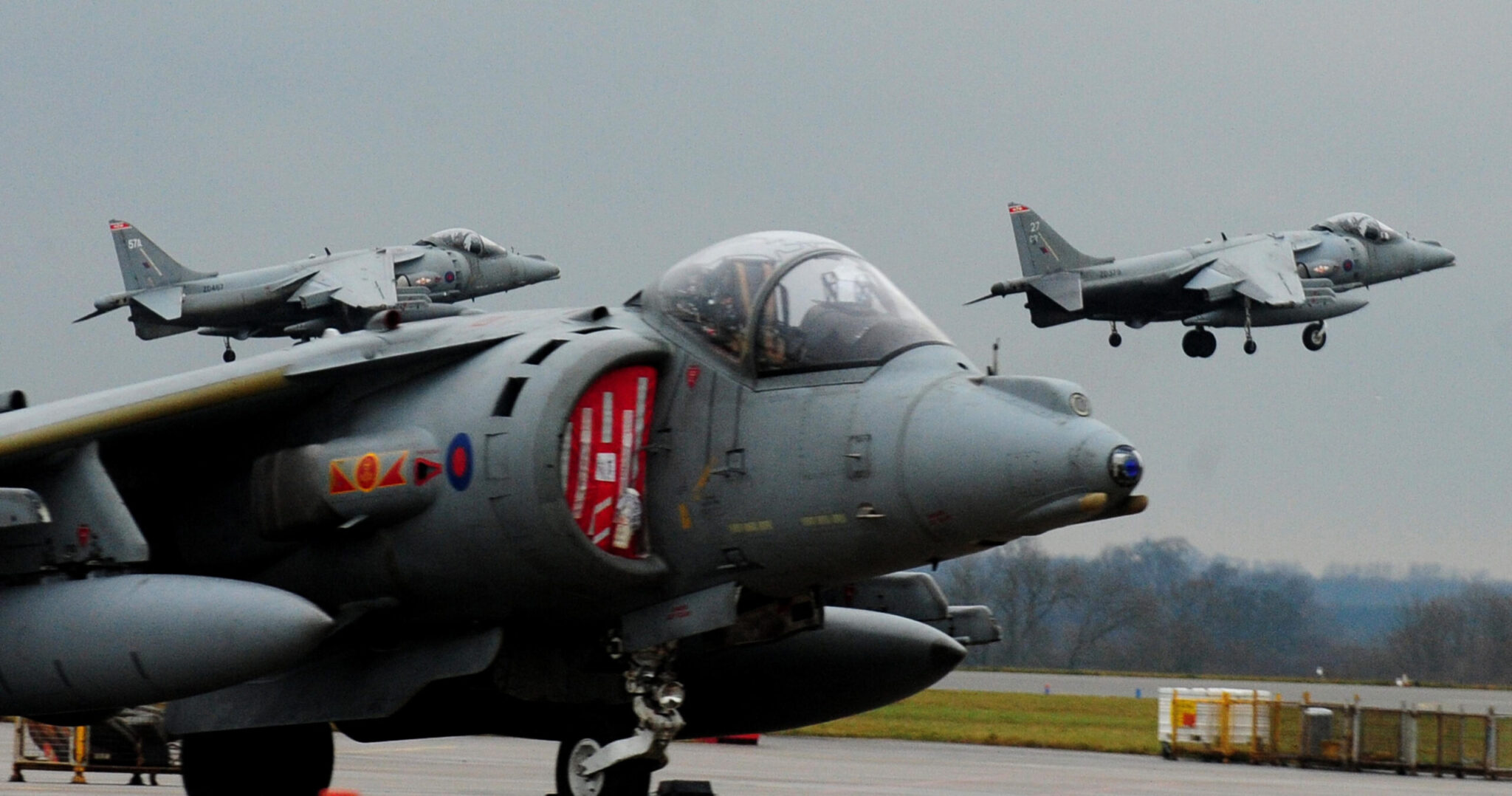
The man who could potentially become Iran’s next defense minister has unveiled an ambitious wishlist aimed at revitalizing the country’s defense capabilities. Brig. Gen. Aziz Nasirzadeh presented a proposal to parliament focused on boosting Iran’s defense sector across all branches. Key highlights include the development of “jump jets,” advancements in artificial intelligence, the construction of heavy destroyers, and the enhancement of satellite capabilities.
According to Iranian media reports, Nasirzadeh’s plan encompasses the expansion of the aerospace, naval, missile, and air defense sectors. Following the tragic death of former President Ebrahim Raisi in a helicopter crash in May, Masoud Pezeshkian was elected president last month and submitted a cabinet proposal to parliament, placing Nasirzadeh in line for the key defense role.
„Nasirzadeh’s aims are high, even hyperbolic, but also rhetorically consistent with what has been seen and heard from the Islamic Republic’s defense industry,” commented Behnam Ben Taleblu, a senior fellow at The Foundation for Defense of Democracies, in an interview with Breaking Defense.
He noted that the development of jump jets, which the proposal states will have vertical takeoff and landing capabilities, raises questions about feasibility. It remains unclear how Iran would secure Western-made versions of such jets. Sina Azodi, an adjunct professor at George Washington University known for his expertise in Iranian policy, remarked that Iran lacks the technology to produce engines suitable for vertical takeoff and landing. “The only country that might be willing to share such technology is Russia, which isn’t the most reliable in producing jump jets,” Azodi said.
Nasirzadeh’s defense strategy also includes plans to outfit drones with artificial intelligence for swarming capabilities, develop heavy multi-mission destroyers, enhance air defenses, and increase production of ballistic and cruise missiles.
„Iran is expected to intensify its focus on long-range strike platforms, such as one-way attack drones, cruise missiles, and ballistic missiles of varying ranges and qualities,” Ben Taleblu indicated.
The proposal further aims to launch 20 new satellites, though Iran has historically struggled to deploy indigenous satellites. Success came earlier this year, with the launch of four satellites, as per Iranian state media.
Beyond its borders, Nasirzadeh’s plan aspires to double Iran’s defense exports, targeting mainly neighboring countries, Latin America, and Africa. The timeline for achieving this goal was not specified.
When questioned about the feasibility of this plan, Ben Taleblu responded, “With Iran looking to expand into international arms markets and participate in global defense expos, Tehran is likely to significantly increase its defense budget, both formally and informally, to support these systems.”