Historic Defense Acquisition
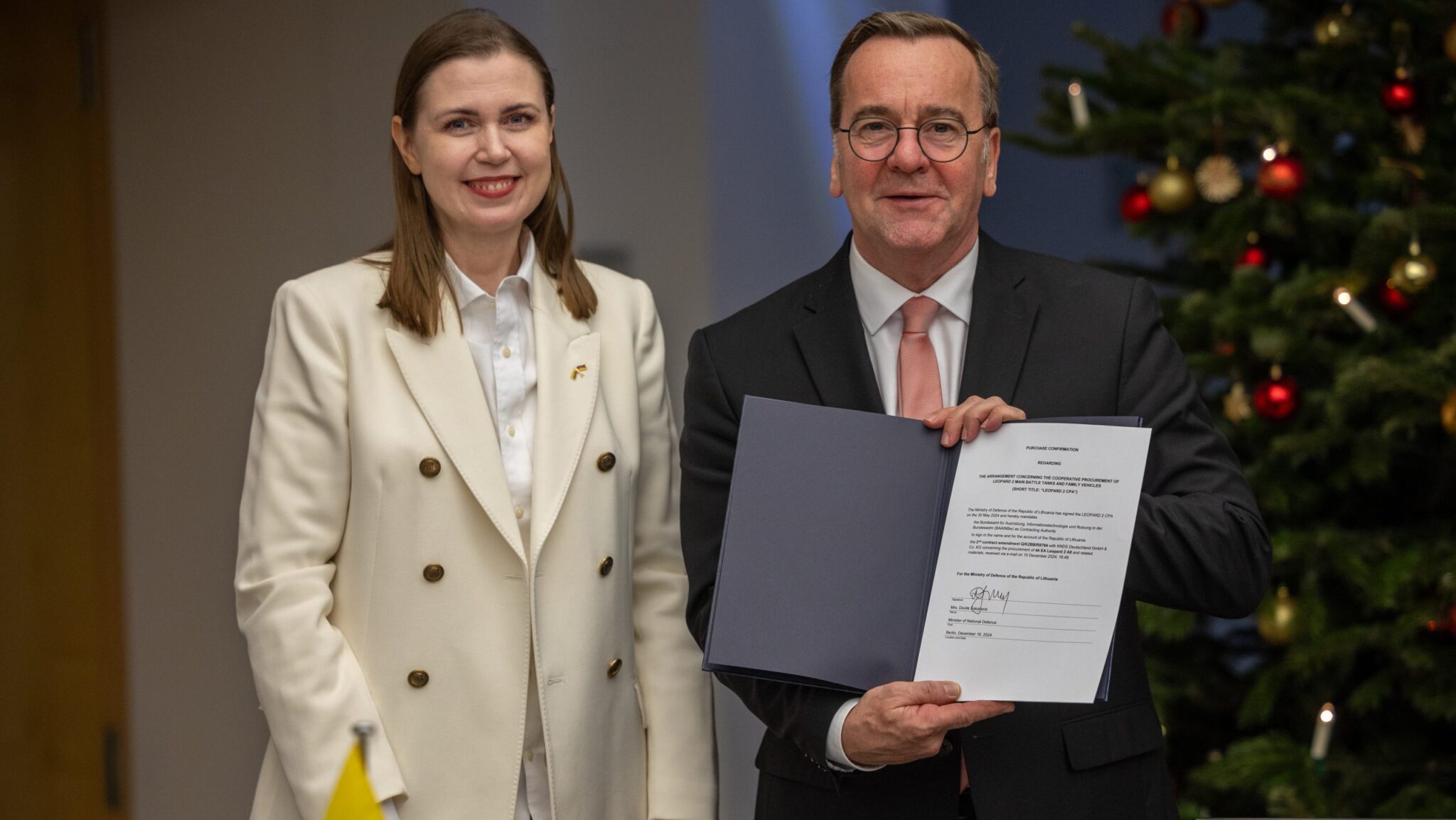
Lithuania has signed off on plans to procure 44 Leopard 2 tanks, marking what the Lithuanian government describes as the single largest defense acquisition project in the country’s history.
Official Signing and Future Goals
Minister of National Defence Dovilė Šakalienė signed the documents on Monday during a meeting with German defense minister Boris Pistorius in Berlin. While costs and delivery dates were not disclosed in the announcement, Šakalienė stated to the Baltic News Service that the aim is to have the tanks by 2030.
Significance for National Security
“The agreement on Leopard acquisition is the largest contract Lithuania has ever signed. It is a pivotal stage in modernizing our armed forces and strengthening regional security,” Šakalienė said in a statement, translated online. “The new tanks will facilitate integration and interoperability of [the] Lithuanian and German militaries.”
Resurgence of Leopard Interest
The Leopard tanks, produced by the Franco-German conglomerate KNDS, have seen renewed interest since Russia’s invasion of Ukraine. The company is developing new concepts for future tanks and secured a significant contract with Norway in 2023, though that deal was later scaled back. KNDS has also faced strong competition in Europe from South Korean-made vehicles.
Increased Defense Spending in Response to Geopolitical Tensions
Lithuania, which shares borders with both Russian ally Belarus and the Russian territory of Kaliningrad, has significantly increased its defense spending since the onset of the Ukraine conflict. The previous government, which lost power in October, promised to allocate at least 3 percent of GDP for defense starting in 2025. Lithuanian President Gitanas Nausėda was quoted by BNS, expressing hopes to reach 3.5 percent, and potentially even 4 percent in the near future.
Commitment to Regional Security Cooperation
During her visit to Germany, Šakalienė reaffirmed Lithuania’s commitment to hosting a German brigade in Lithuania, near the Belarusian border. Lithuania is currently expanding infrastructure to accommodate the 5,000 German soldiers and their families, a topic that Šakalienė discussed with Pistorius, according to the statement.