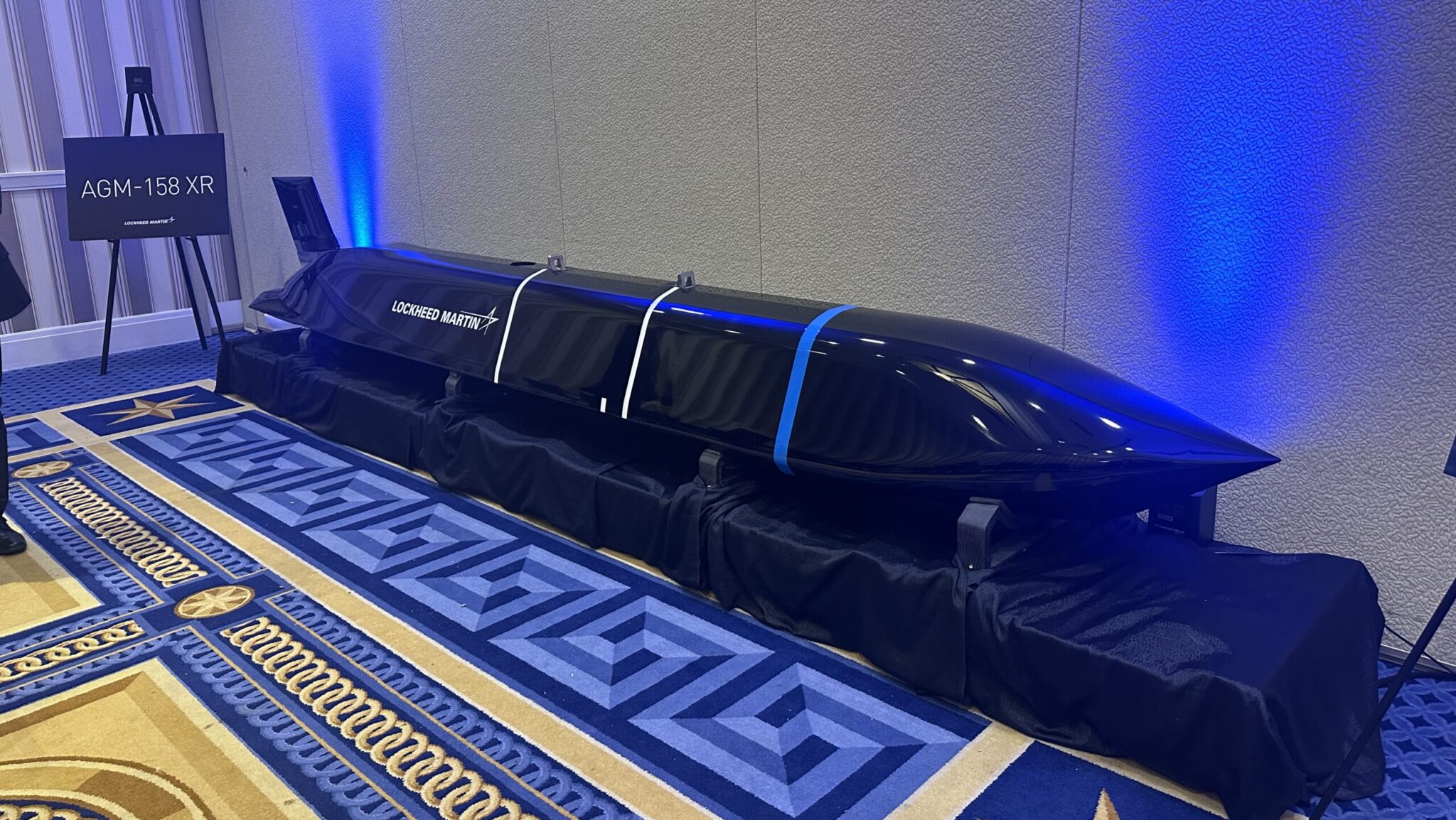
Lockheed Martin has been developing a new, „extreme range” prototype of its AGM-158 Joint Air-to-Surface Standoff Missile, known as the AGM-158 XR, and expects it to be ready for flight testing in one or two years.
While the Pentagon has not yet committed to purchasing the new weapon, Lockheed is investing its own funds in early development work. The AGM-158 XR is envisioned as the natural successor to the JASSM-D and LRASM-C3 currently in development for the Air Force and Navy.
The most obvious difference between the AGM-158 XR and its predecessors is its extended design, but Lockheed has also incorporated „smart” internal modifications to enhance modularity. These modifications will allow the missile to be adapted for various missions and to leverage existing components, enhancing its cost-effectiveness.
The missile’s extended range offers several advantages for pilots and operations. Most notably, it allows pilots to remain further from threats while engaging targets, reducing their exposure to danger. Additionally, the longer range reduces the need for frequent refueling and rearmament, allowing for more strikes within a given timeframe and increasing operational efficiency.
While the larger size and weight of the AGM-158 XR limits its compatibility with some aircraft, including the F-16, it is compatible with other platforms, such as the F-35 and F-15. Lockheed points out that the weapon’s extended range compensates for any potential reduction in flight range for these aircraft.
The AGM-158 XR is still several years away from fielding, with the exact timeline dependent on the services’ budget priorities.
However, initial feedback from warfighters has been positive, with many expressing enthusiasm for the weapon’s benefits. Lockheed highlights the advantages of leveraging an existing production line and mature supply chain, further bolstering the appeal of this weapon for the services.