Shift in F-35 Procurement Strategy
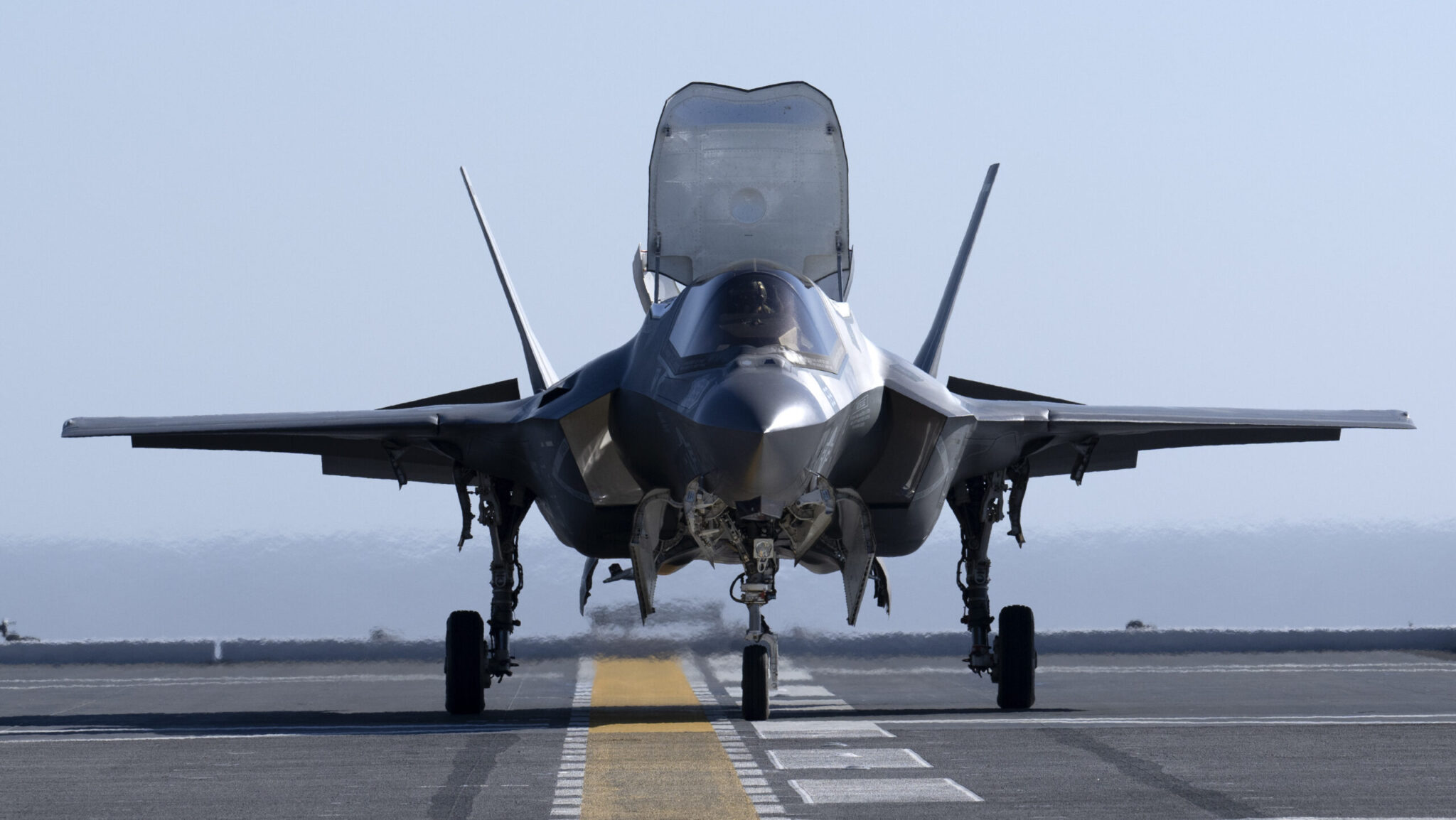
The Marine Corps is realigning its F-35 Joint Strike Fighter acquisition plan, opting to procure more carrier-based variants at the expense of the short-takeoff and vertical landing version. As detailed in the service’s 2025 aviation plan, the Marines now intend to purchase a total of 280 F-35Bs, a reduction from the previous target of 353, while increasing the target for F-35Cs to 140, up from 67. Despite these adjustments, the overall procurement target remains at 420 F-35 aircraft.
Transitioning Squadrons
The updated aviation plan establishes that Marine Fighter Attack Squadron 232 (VMFA) and Squadrons VMFA-323, VMFA-112, and VMFA-134 will transition to operating F-35C variants. This revised program includes 280 F-35Bs and 140 F-35Cs to support 12 F-35B squadrons and 8 F-35C squadrons.
Project Eagle Initiative
Central to the new aviation strategy is „Project Eagle,” a multi-phase initiative aimed at 2040, focusing on new warfighting concepts and the integration of artificial intelligence into operations. Lt. Gen. Bradford Gering underscored the initiative’s role in helping the Marines identify the trade-offs necessary for future developments.
Challenges Facing the F-35 Program
Despite the changes in procurement, the F-35 program continues to face significant challenges, including lagging aircraft readiness and ongoing software development issues. According to a recent Pentagon report, mission capability rates for the conventional F-35A and short takeoff and landing F-35B have declined, while the carrier-based F-35C has shown slight improvements but still falls short of program goals.
Software development delays remain a persistent issue, particularly concerning the new Technology Refresh 3 (TR-3) upgrade, which has resulted in operational restrictions for jets with this enhancement. Full operational testing of TR-3 is not expected to commence until mid to late fiscal year 2026.
Manufacturing Improvements and Quality Control
Amidst these challenges, there have been notable improvements in the F-35’s manufacturing processes, including a 47% reduction in scrap, rework, and repair time. Lockheed Martin maintained that delivering high-quality aircraft remains a priority and highlighted investments to enhance developmental and testing capabilities.
Air Force Lt. Gen. Mike Schmidt, head of the F-35 program, acknowledged the challenges outlined in the report but emphasized the program’s dedication to addressing these issues and improving readiness.
Upgrades to MV-22 Fleet
The 2025 aviation plan also outlines upcoming upgrades to the Marine Corps’ MV-22 Osprey fleet, focusing on predictive maintenance to prevent operational disruptions. Planned improvements include the VeCToR upgrade for cockpit obsolescence and a new modernization initiative called ReVAMP, aimed at extending the platform’s relevance.
To address issues with the proprotor gearbox that have resulted in prior mishaps, the Marines will implement sensors to provide data for predictive maintenance and utilize advanced materials to enhance component reliability.
Conclusion
The Marine Corps’ updated procurement strategy and the presence of ongoing challenges underscore its commitment to ensuring operational effectiveness while transitioning to modern capabilities. Efforts such as Project Eagle and enhancements to existing aircraft fleets highlight the service’s focus on future readiness, even amidst existing programmatic hurdles.