Nations Unite for a Stronger Defense Commitment
In a significant move, NATO members have pledged to allocate 5 percent of their GDP to defense spending over the next decade. This substantial investment is aimed at bolstering the alliance’s capabilities, with key U.S. military leaders poised to guide the influx of defense funds strategically.
Prioritizing Alliance Capabilities
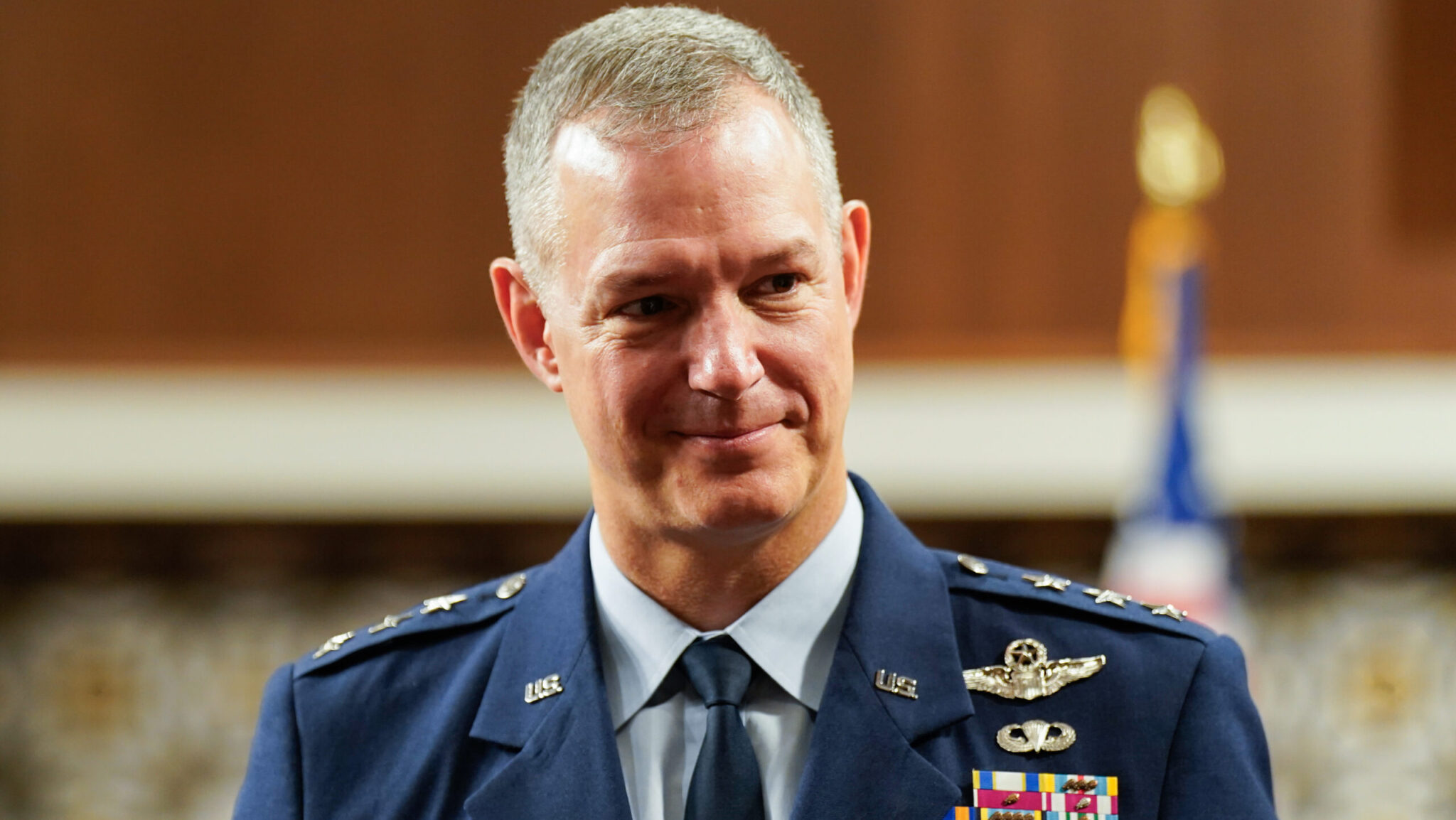
Lt. Gen. Alexus Grynkewich, the White House’s nominee for the next commander of U.S. European Command and Supreme Allied Commander of Europe (SACEUR), emphasized his commitment during a Senate nomination hearing. He stated his primary responsibility would be ensuring that the increased spending aligns with NATO’s capability targets and benefits the alliance as a whole.
NATO’s Strategic Funding Pact
This week, NATO members convened in The Hague to finalize the 5 percent pledge, directing 3.5 percent of GDP towards defense by 2035. An additional 1.5 percent will focus on securing critical infrastructure, enhancing network defense, fostering civil preparedness and resilience, promoting innovation, and strengthening the defense industrial base.
Secretary General Outlines Key Investments
While specifics on fund distribution remain classified, NATO Secretary General Mark Rutte offered insight into strategic investment areas. A five-fold increase in air defense capabilities is planned, responding to the ongoing aerial threats exemplified by Russian actions in Ukraine. Additionally, investments in tanks, armored vehicles, and ammunition stockpiles are prioritized to strengthen battlefield readiness and deter aggression.
Strategic Leadership and Regional Collaboration
If confirmed, Lt. Gen. Grynkewich will play a crucial role in orchestrating these investments. He plans to collaborate closely with each NATO country, leveraging their domain-specific strengths to enhance the alliance’s cohesive power.
Land Forces Remain a Priority
In parallel, Gen. Christopher Donahue, commander of NATO Allied Land Command, underscores the opportunity for substantial defense investment. He emphasizes the importance of co-production with European industries, ensuring interoperability between diverse military systems to prevent ineffective integration under pressure.
U.S. Commitment Amid Uncertain Times
As European nations prepare for extensive defense investments, questions loom about the U.S. commitment to NATO. Despite discussions about potential changes in U.S. force posture in Europe, Gen. Donahue reassures that significant alterations are unlikely, emphasizing continuity since the first Trump administration.
Ensuring Long-term Alliance Cohesion
In conclusion, NATO’s increased defense spending marks a critical step towards fortifying the alliance against emerging threats. Through strategic investments and international collaboration, NATO aims to maintain a robust, resilient, and interoperable defense capacity for the future.