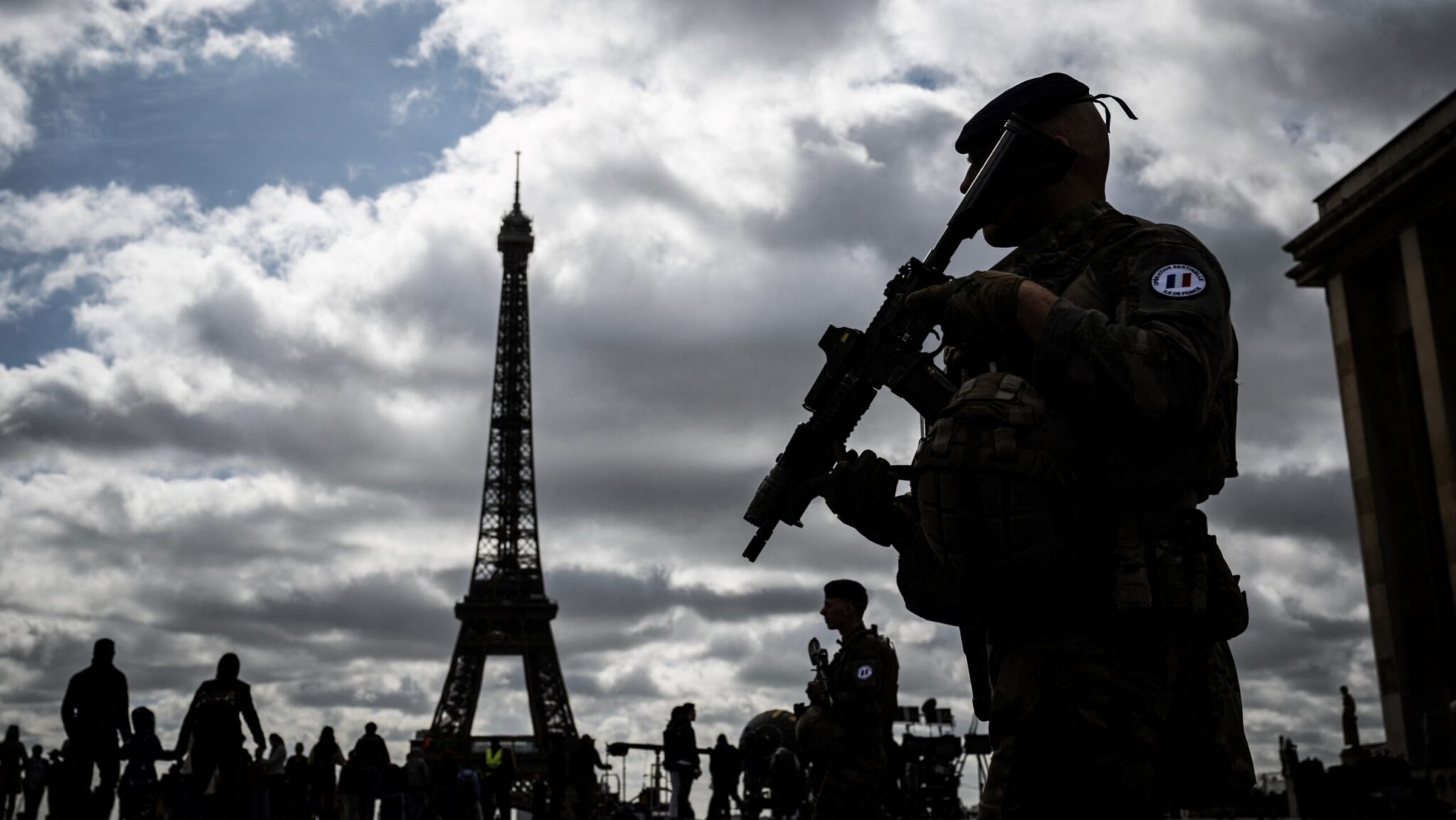
The forum underscored a growing sense of urgency regarding European security, particularly in light of the war in Ukraine and the evolving relationship with the United States.
The Paris Defence & Strategy Forum, a three-day event attended by prominent European political and military leaders, concluded with a strong emphasis on the dramatically altered strategic environment. General Vincent Giraud, speaking on behalf of the absent Chief of Defence Staff General Thierry Burkhard, highlighted this shift. The forum’s agenda heavily featured discussions surrounding the ongoing situation in Ukraine and the future of European security.
French Armed Forces Minister Sébastien Lecornu opened the forum by characterizing the current geopolitical climate as complex and challenging, stating that Europe is neither at war nor at peace. He stressed the importance of intellectual rearmament, prioritizing strategic thinking over mere financial investment in weaponry. Lecornu emphasized supporting Ukraine’s military capabilities as paramount, rejecting any proposals for Ukrainian demilitarization. He also raised questions about the long-term viability of NATO’s eastern border defenses, particularly concerning potential shifts in member-state contributions. Lecornu urged a comprehensive, 360-degree strategic outlook for Europe, considering threats from various regions including Iran, North Korea, and the Indo-Pacific.
European Autonomy and the „Hybrid War”
Dutch Minister of Defence Ruben Brekelmans delivered the keynote address, echoing the sentiment of a Europe at a crossroads. He underscored the escalating threat from Russia, noting a decline in guaranteed US support for Ukraine and the need for Europe to strengthen its independent security architecture. He described the current state of affairs as a „gray zone” conflict, citing ongoing cyberattacks, espionage, sabotage attempts, and disinformation campaigns as evidence of a hybrid war waged by Russia against Europe. Brekelmans emphasized Europe’s need to be prepared for both hybrid and kinetic warfare.
The Dutch defence industry, with around 900 companies, has experienced substantial growth in recent years, doubling its turnover to €9.3 billion in 2024, reaching the 2 percent GDP target mandated by NATO.
Ukraine, NATO, and the F-35 Question
Brekelmans advocated for a strong European stance, highlighting the EU’s significant financial, military, and humanitarian aid to Ukraine, exceeding that of the US. He emphasized the need for Ukraine to negotiate from a position of strength and expressed support for a French-UK initiative concerning security guarantees for Ukraine. He also hinted at the possibility of a future NATO spending target surpassing the current 2 percent of GDP threshold.
Responding to questions about potential concerns regarding the F-35’s dependence on US support, Brekelmans emphasized the Netherlands’ complete reliance on the F-35 following the donation of its F-16 fleet to Ukraine, suggesting that reassessing the commitment to the F-35 is not currently under consideration. He expressed the Netherlands’ interest in participating in any potential deployment of European troops in Ukraine, but stressed that such participation requires cabinet and parliamentary approval and would need to involve a coalition of like-minded nations. He also pointed to the need to expand the Dutch land forces to support heavier weaponry and larger stockpiles.