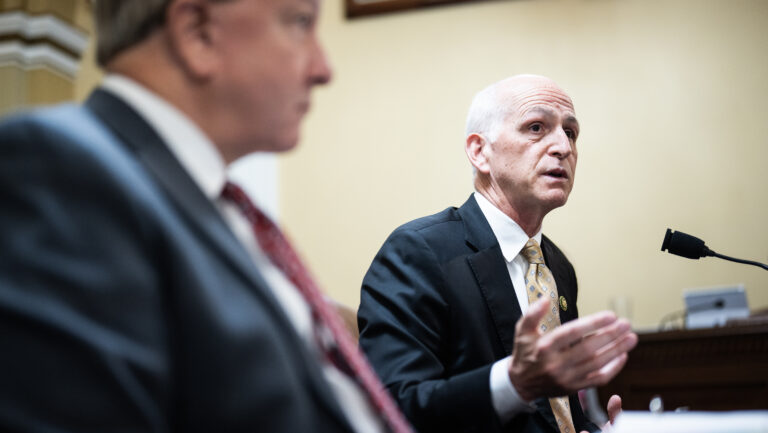
In a climate marked by intense partisan disputes, the House of Representatives has approved its version of the National Defense Authorization Act for fiscal year 2027. The bill, which provides for a base budget of 1.15 trillion dollars, passed narrowly with 216 votes in favor and 212 against. The result reflects a clear division between political camps, especially after Republican leaders succeeded in including a controversial measure regarding voter eligibility in the legislative package.
A race against time: Partisan disputes and the future of military legislation
Despite the differences, supporters of the project emphasize that this vote represents only one stage in a complex legislative process. Although seven Republicans voted against and six Democrats supported the text, leaders of the specialized committees provide assurances that a bipartisan approach will be attempted in the next negotiation stages. The final goal is to harmonize the text with the Senate version to create a law that can be signed into action.
The adopted project includes significant provisions, such as authorizing military personnel and civilian employees to carry firearms on bases, extending the Defense Production Act until 2031, and restricting TRICARE coverage for certain controversial medical procedures. At the same time, the floor categorically rejected attempts to limit funding for security assistance to Ukraine.
Budgetary discrepancies and deadlocks: Challenges for the Pentagon in fiscal 2027
The amount approved by the House is part of a broader Pentagon request, which asked for a record 1.5 trillion dollar budget, with the remaining 350 billion dollars directed toward a reconciliation fund. The current version of the law emphasizes „right to repair” provisions and allocates 500 million dollars for a second destroyer.
Meanwhile, the situation remains uncertain in the Senate. Although the relevant committee approved a 1.14 trillion dollar version back in June, Senate Democrats have blocked its legislative progress. They have expressed opposition to rising military spending and the context of the conflict with Iran. The next step will be mediating the differences between the two chambers of Congress, a procedure that promises to be extremely difficult.