Introduction of the Cognitive Algorithm Deployment System (CADS)
Raytheon, one of the world’s leading defense contractors, has recently introduced a significant upgrade aimed at enhancing the survival rates of U.S. aircrews. The Cognitive Algorithm Deployment System (CADS) represents a pivotal advance in “cognitive electronic warfare,” enabling real-time analysis and identification of radar threats to improve aircraft defense.
Addressing the Evolving Threat Landscape
The need for CADS arises from the increasing sophistication of adversaries such as Russia, which are employing reprogrammable digital radars capable of swiftly altering their signals. This rapid adaptability poses a considerable challenge to existing radar-warning systems, which traditionally rely on pre-loaded databases of known threats. By leveraging AI, Raytheon’s CADS aims to counteract this issue, potentially alerting pilots to oncoming dangers before they become critical.
Integration with Existing Technology
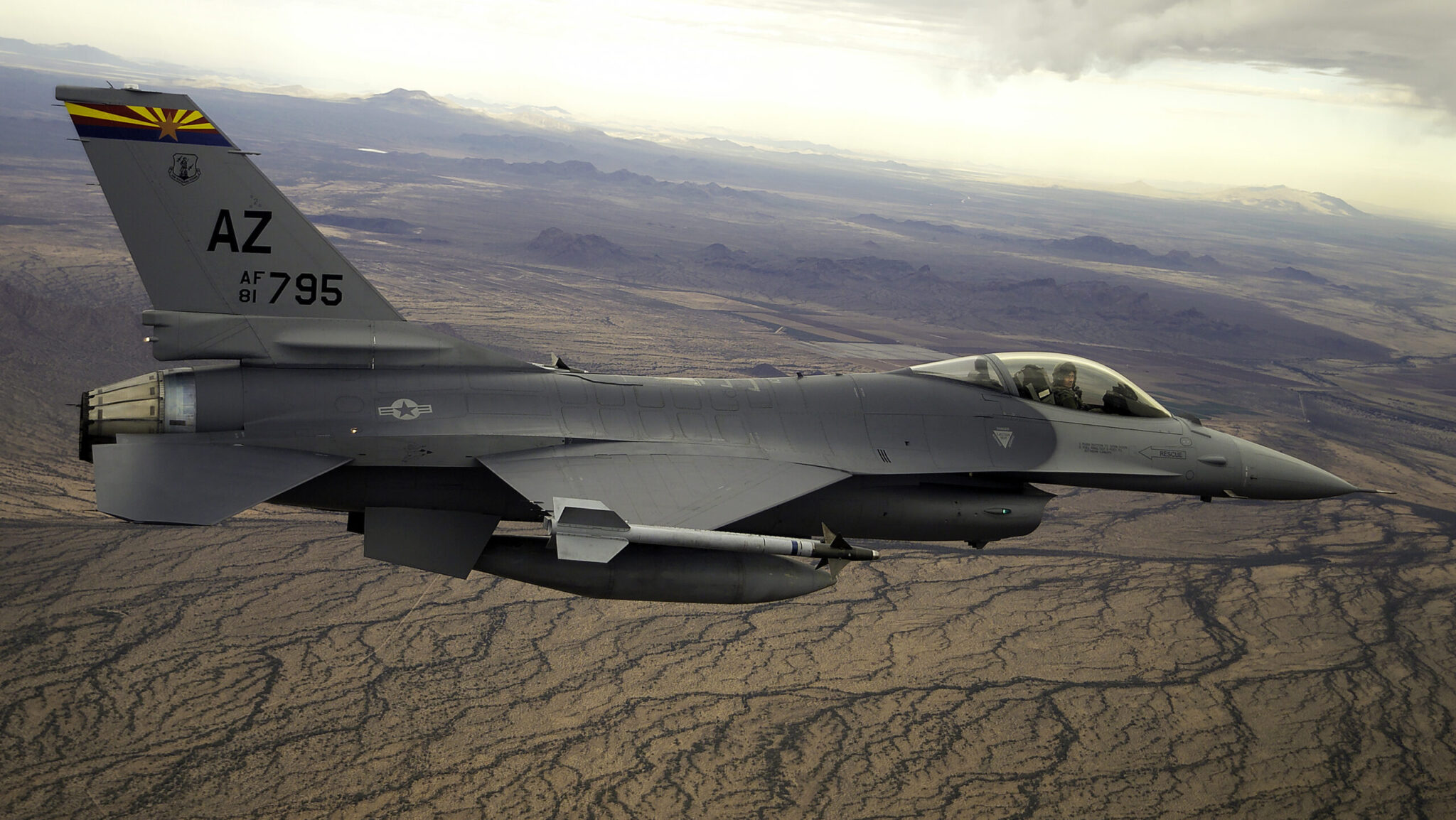
Raytheon’s CADS utilizes miniaturized hardware and optimized software to function within the existing ALR-69A Radar Warning Receiver (RWR). Over 600 of these RWRs are already deployed on various legacy aircraft, ranging from the C-130 transport to the F-16 fighter jet. This compatibility means that the CADS module can enhance older fourth-generation aircraft, which lack the advanced stealth and computing capabilities of fifth-generation jets like the F-35.
Michael Baladjanian, Raytheon’s vice president of electronic warfare systems, stated that the CADS is designed to be highly adaptable, making it suitable for a wide range of aircraft, including multiple variants of the F-16. The system is composed of four sensors strategically positioned on the aircraft and a central processor that can accommodate the CADS module without requiring any modifications to the ALR-69A itself.
Flexibility and Future Upgrades
One of the standout features of the CADS is its open architecture, which allows for the integration of third-party applications from various vendors, provided they meet certain classified technical standards. This flexibility enables ongoing enhancements to its capabilities, adapting to evolving threats quickly.
Raytheon, in collaboration with the Air National Guard, has already conducted flight tests on aircraft equipped with the CADS, successfully integrating multiple radar-analyzing algorithms developed by Raytheon’s various divisions, Georgia Tech, and a small firm named Vadum.
Looking Ahead: The Future of Cognitive Electronic Warfare
While the current implementation of CADS focuses on identifying and analyzing radar signals, Baladjanian envisions a future where the system can actively counter these threats through AI-controlled electronic jamming. This move toward cognitive electronic warfare would revolutionize aerial defense, allowing real-time responses to unfamiliar signals without needing extensive pre-mission preparation or post-flight data analysis.
Although discussions regarding the purchase of CADS with the U.S. Air Force are ongoing, the focus remains on enhancing the capabilities of this innovative system. The gradual integration of more algorithms and improved functionalities signifies a step forward in the quest for advanced electronic warfare solutions.
In summary, Raytheon’s introduction of CADS represents a crucial leap towards a more responsive and resilient defense capability for U.S. aircrews, paving the way for future advancements in cognitive electronic warfare.