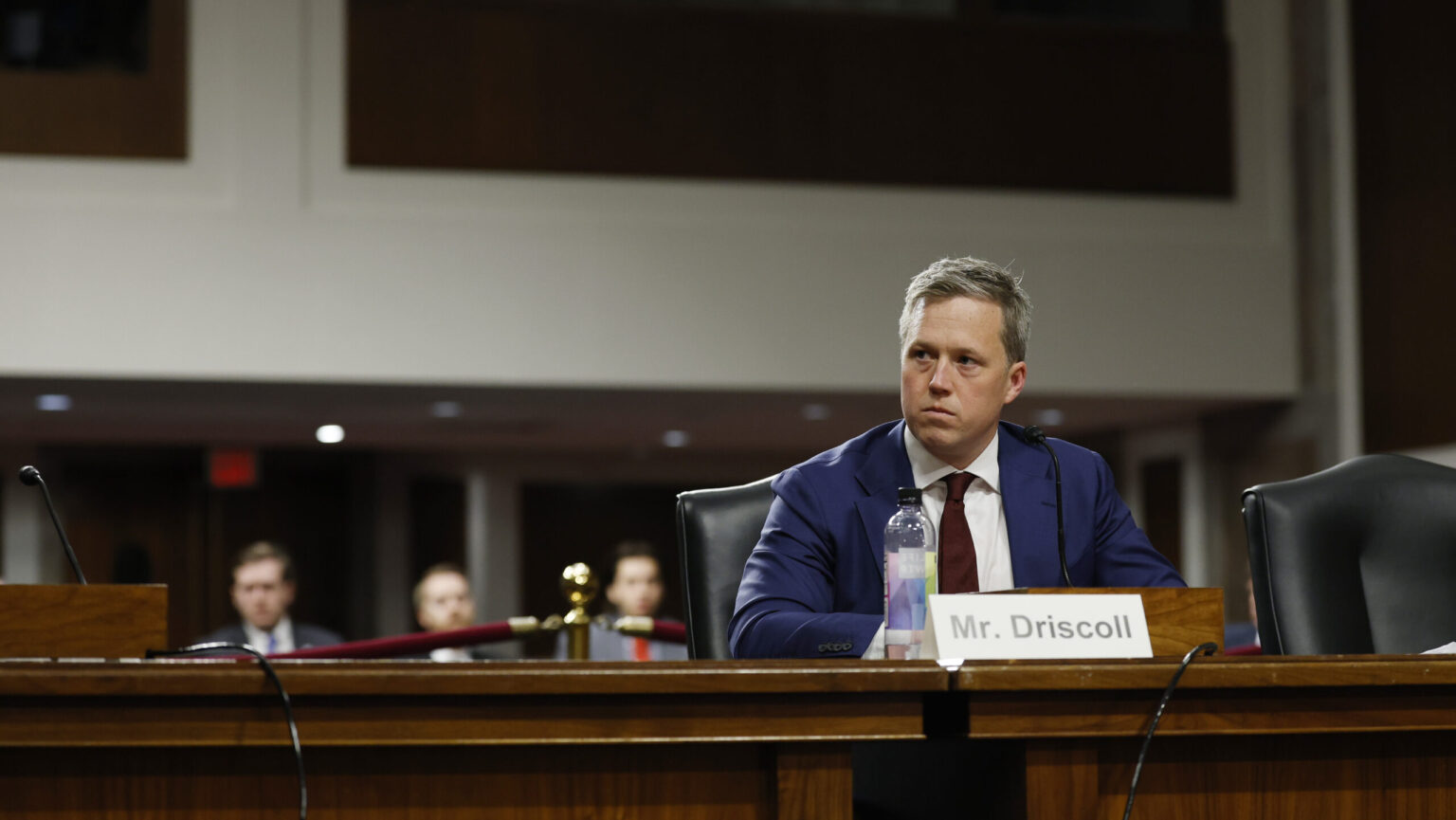
Dan Driscoll, the 26th secretary of the United States Army, has submitted his resignation after spending less than two years in office, according to American officials familiar with the matter.
A decisive conversation with Donald Trump
One of the officials said Driscoll made the decision after speaking with President Donald Trump about the current condition of the Army. No further details about the conversation were disclosed.
His departure had been anticipated for several weeks, following reports that the secretary could leave his position before the end of the year, possibly around Labor Day. The resignation comes amid months of reported tensions between Driscoll and Defense Secretary Pete Hegseth.
White House praises Driscoll while avoiding confirmation
The Army declined to comment directly on the resignation and referred questions to the White House. The administration issued a positive statement about Driscoll but stopped short of confirming whether he had formally left the position.
White House spokesperson Anna Kelly said Driscoll had played an important role in advancing the Trump administration’s objectives and strengthening the United States military.
According to Kelly, Driscoll provided strong leadership during historic military operations, renewed the focus on readiness and lethality, contributed to negotiations involving the Russia-Ukraine war and supported broader efforts to strengthen the Army.
The Pentagon also declined to comment and referred inquiries to the Army.
Succession plans remain unclear
It is not yet known who will take over the position. Under normal circumstances, the Army’s undersecretary, Michael Obadal, could assume the role on an interim basis. An Army official previously said Obadal maintains a strong working relationship with Hegseth despite the tensions between the defense secretary and Driscoll.
However, Hegseth has the authority to select any person for an acting appointment. He is not required to choose Obadal either as interim secretary or as the permanent nominee for the position.
Sean Parnell, the Pentagon’s chief spokesperson, is reportedly among the potential candidates. He is said to have expressed interest in the job following the abrupt dismissal of the Army’s former Chief of Staff, Gen. Randy George.
Army left without a Senate-confirmed civilian leader
Driscoll’s resignation leaves the Army without a civilian leader confirmed by the Senate. The situation is further complicated by the fact that Gen. Christopher LaNeve, the Army’s Vice Chief of Staff, is currently serving in an acting capacity.
LaNeve, who previously served as Hegseth’s senior military aide, has not yet been formally nominated or confirmed as Army chief. His nomination could face opposition from Democrats as well as reservations among some Republican lawmakers, including Iowa Sen. Joni Ernst.
Close ties to JD Vance and growing friction with Hegseth
During his tenure at the Department of the Army, Driscoll maintained a close relationship with Vice President JD Vance. He also developed a strong working partnership with Gen. Randy George.
The two traveled to Ukraine last year to participate in ceasefire discussions and examine lessons learned from Kyiv’s use of drones on the battlefield.
That cooperation reportedly angered Hegseth. Tensions are also said to have increased after Driscoll began arranging meetings involving Donald Trump, JD Vance and U.S. soldiers as part of plans to pursue further Army reforms.
An effort to overhaul traditional defense procurement
Driscoll used his background in private equity and venture capital to introduce commercial-sector practices into the Army and challenge long-standing approaches within the defense industry.
He even argued that it could be viewed as a positive outcome if a major defense contractor were forced to shut down in the coming years because it failed to make its operations more efficient.
Low-cost interceptors and venture-capital-style procurement
In recent months, Driscoll launched the Army’s low-cost interceptor initiative. The program is designed to develop affordable systems that can be produced at scale, reducing the military’s reliance on multimillion-dollar interceptors to destroy drones that may cost only a few thousand dollars.
He also established the FUZE program, a venture-capital-style acquisition model intended to speed up the private-sector development of emerging technologies and prepare them for eventual military use.