The Senate has passed the fiscal 2025 National Defense Authorization Act (NDAA) by a substantial margin, with a final vote tally of 85-14. This $884 billion bill, which adheres to the budgetary limits established in last year’s Fiscal Responsibility Act, reflects a change from the Senate Armed Services Committee’s earlier proposal that sought to raise defense spending to $923.3 billion.
The NDAA will now be sent to President Joe Biden, who has indicated his intention to sign it into law.
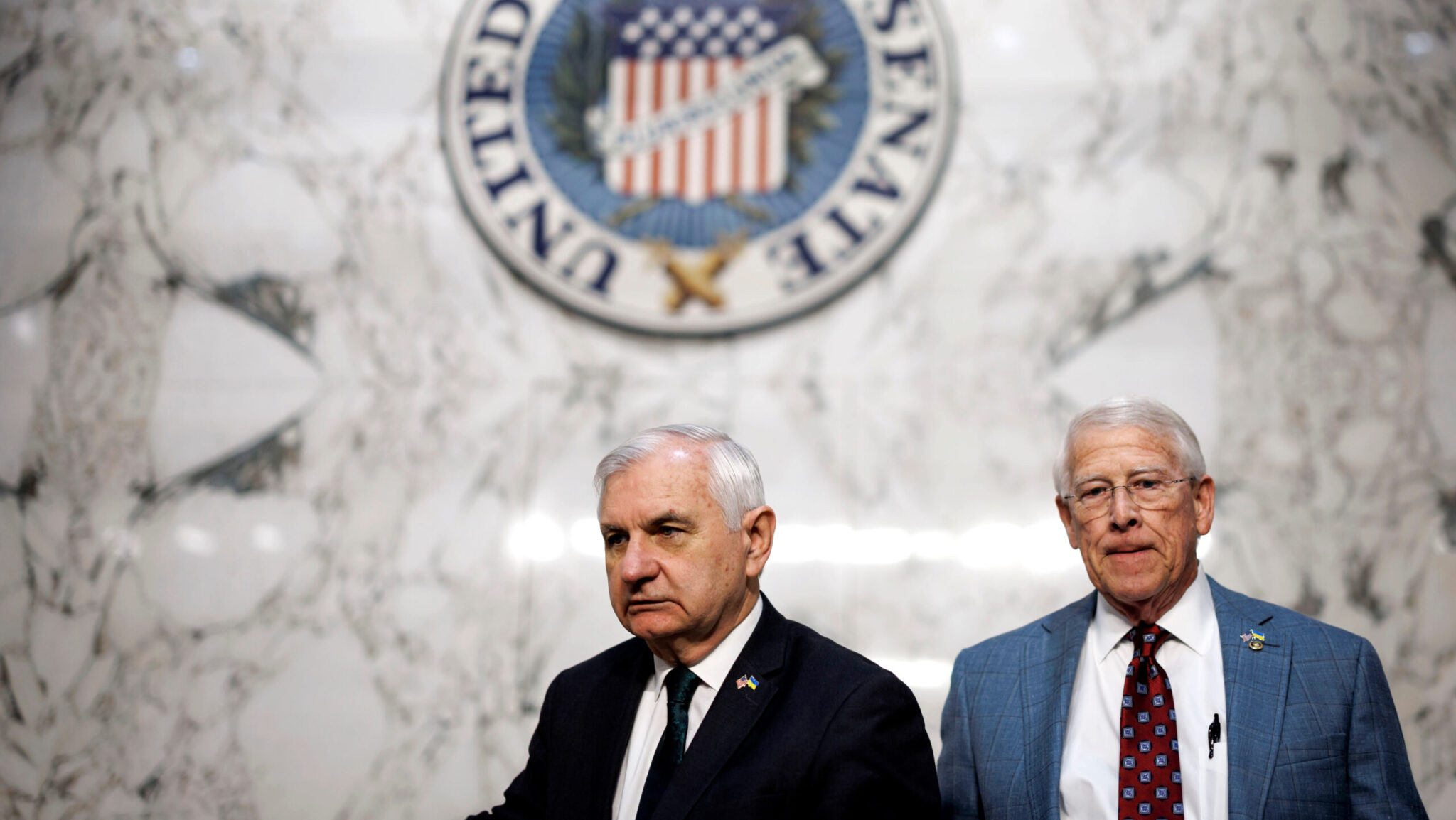
In a speech leading up to the vote, Senate Armed Services Committee’s (SASC) top Republican, Roger Wicker, emphasized that the proposed increase in the topline funding “should have been part of the bill today,” lamenting a missed opportunity to enhance the incoming president’s position in a challenging global environment.
SASC Chairman Jack Reed, a Democrat from Rhode Island, acknowledged the concerns from senators advocating for a higher defense budget, but noted that the establishment of the Fiscal Responsibility Act was a key requirement from House Republicans.
Despite the controversial last-minute addition of language aiming to restrict gender-affirming care for transgender children of servicemembers—inserted on the insistence of House Speaker Mike Johnson—Senate Democrats largely backed the bill. Approximately half of House Democrats opposed the measure due to the Tricare restrictions regarding transgender care.
Before the vote, Reed expressed strong disagreement with the inclusion of the contentious provision but affirmed the NDAA as “a very strong National Defense Authorization Act.”
Senator Tim Kaine, a Democrat from Virginia, noted that Democrats were able to eliminate many anti-transgender provisions from earlier drafts of the legislation, aside from the ban on gender-affirming care for transgender minors, which he personally opposed during committee discussions. Nonetheless, he highlighted the NDAA’s strength for military members and their families, pointing to a 14.5% pay increase for junior enlisted servicemembers and other enhancements to quality of life.
For fiscal year 2025, the NDAA allocates $883.7 billion overall, with $849.9 billion designated for Department of Defense programs. It also approves $33.3 billion for national security programs within the Department of Energy and the Defense Nuclear Facilities Safety Board, alongside $512.4 million for various defense-related activities.
Key provisions of the NDAA include authorizing the transfer of National Guard space units to the Space Force, restricting the delivery of F-35 aircraft, implementing new design requirements for certain Navy vessels, and allowing the Air Force to retire older aircraft models such as the A-10, F-16, and F-15. Additionally, the bill allocates funding for a third Arleigh Burke-class destroyer and six more F-15EX fighters, among other funding increases and cuts, although congressional appropriators will have the final authority over the budget.