Funding Cuts Signal Possible Shift Toward Unmanned Systems and Other Alternatives
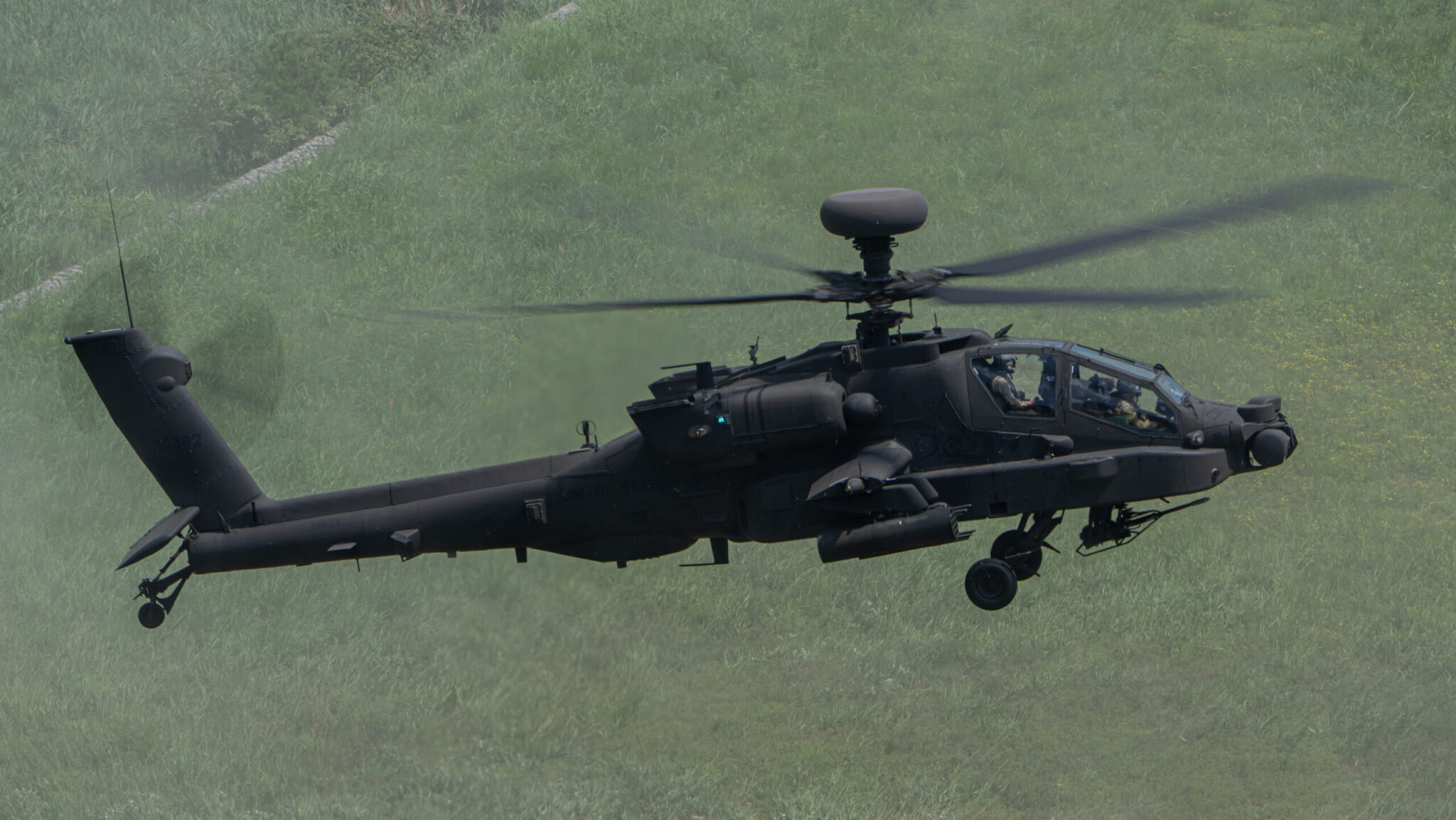
South Korea appears to be halting its planned procurement of additional Boeing AH-64E Apache attack helicopters, with recent reports indicating significant budget reductions. The move comes amid a broader review of military needs and strategic priorities.
Funding Reduced Drastically in Recent Budget
According to multiple South Korean outlets, including the state-owned Korea Broadcasting System, lawmaker Rep. Yoo Yong-won of the opposition People Power Party (PPP) revealed that the budget for acquiring 36 Apaches has been slashed from 10 billion won (approximately $7.29 million) to a mere 300 million won. This drastic cut was included in a supplementary budget passed by the South Korean parliament on July 4.
Shift in Defense Review and Procurement Strategy
The decision aligns with the South Korean Joint Chiefs of Staff’s earlier review in May, which reportedly recommended reconsidering the Apache procurement altogether in favor of alternative systems such as unmanned aerial vehicles and other helicopter types. The opposition lawmaker noted that the military is exploring options beyond the Apache, signaling a potential strategic shift.
Lack of Official Response
South Korea’s Defense Ministry has not responded to requests for comment from Breaking Defense, and a U.S. State Department official deferred questions to the South Korean government. This silence leaves the future of the program uncertain.
Background: Previous Approvals and Existing Fleet
The U.S. approved the sale of the Apache helicopters to South Korea in August 2024, with an estimated price tag of $3.5 billion. The initial purchase was intended to fund a second batch of 36 Apaches, aimed at replacing the older Bell AH-1 Cobra attack helicopters currently in service.
South Korea already operates 36 AH-64Es, acquired previously, which are intended to supplement the older Cobra models. The move to curtail additional Apache acquisitions comes after Japan announced in 2023 that it would gradually retire its attack helicopter fleet, replacing it with unmanned systems and other aircraft to reduce manpower and operational costs.
Strategic Context
The change in South Korea’s procurement plans reflects a broader trend in East Asia, where countries are re-evaluating traditional attack helicopter fleets and investing more heavily in unmanned systems. Japan’s recent shift exemplifies this move, emphasizing automation and cost-efficiency over manned attack helicopters.
Summary
South Korea’s apparent decision to pause or significantly scale back its Apache helicopter plans indicates a potential shift toward unmanned systems and new defense priorities. Whether this reflects a long-term strategic move or a temporary budgetary adjustment remains to be seen, but it suggests a broader reassessment of conventional attack aircraft in the region’s evolving security landscape.