In a notable decision, the Space Force has opted not to allocate new funding for in-space servicing mobility and logistics in its initial fiscal year 2026 budget request, despite prior advocacy from lawmakers and the Biden administration, according to two former senior government officials involved in the budget process.
Political Pressure for Investment
During the final months of the Biden administration, both the National Space Council and the Office of Management and Budget urged the Space Force to reinstate funding for these critical efforts. However, the Space Force ultimately chose to forgo any new financial commitments in this area. As the budget proposal awaits approval from the incoming Trump administration, there remains a possibility that funds for space mobility could be added as the administration reviews the budget ahead of its submission to Congress later this year.
Potential for Increased Funding
The Space Force may have substantial financial resources at its disposal. Air Force Undersecretary Melissa Dalton indicated earlier this month that service officials successfully advocated for an additional $87 billion in the topline budget, likely impacting future fiscal budgets. “While it is up to the next administration to determine where the ’26 budget will land, you have a compelling foundation for them to consider,” Dalton stated, as reported by Air & Space Forces Magazine.
Shifting Focus on Space Operations
As the third annual Space Mobility Conference approaches, advocates for Defense Department investment in technologies that enable “dynamic space operations” are experiencing a decline in immediate interest from senior Space Force officials. Even the U.S. Space Command (SPACECOM), which previously emphasized urgent funding for such missions, now appears to view capabilities like satellite refueling, repair, and in-space manufacturing as long-term objectives, potentially post-2040.
SPACECOM Commander Gen. Stephen Whiting highlighted at the Space Power Conference in December that the ability to “maneuver without regret” holds significant importance on his Integrated Priorities List. He remarked, “It’s vital that given the threats we now see in novel orbits that are hard for us to get to, as well as the fact that the Chinese have been testing on-orbit refueling capability, that we need some kind of sustained space maneuver.”
Establishment of Servicing, Mobility, and Logistics Office
In 2020, the Space Force included space mobility and logistics in its core missions. Subsequently, in 2023, it launched the Servicing, Mobility and Logistics Office under the Space Systems Command’s Assured Access to Space program office, which had seen funding through congressional increases until 2025. For FY25, the service requested $20 million, which was granted in the National Defense Authorization Act.
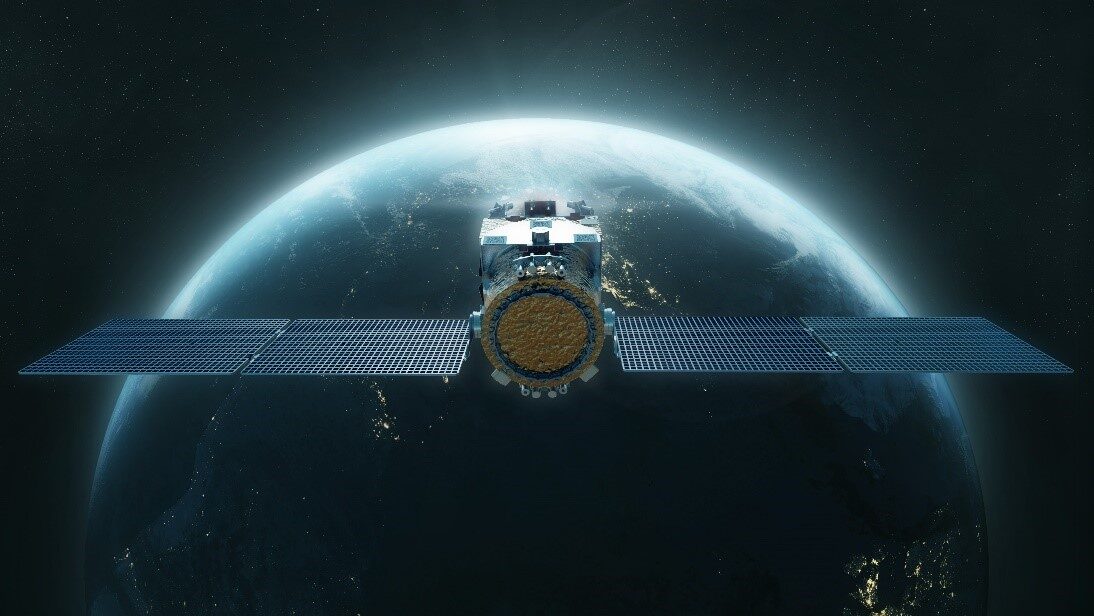
Current initiatives in mobility and logistics mainly consist of small-scale experimental projects. A notable example includes a September 2023 contract awarded by the Space Force to the American arm of Japanese startup Astroscale for developing a $25 million prototype satellite capable of refueling other satellites in orbit.
Looking Ahead: Funding Uncertainty
As Trump administration officials collaborate with congressional Republicans to potentially elevate the Pentagon’s top-line budget for FY25, the specific allocation for the Space Force remains uncertain. The fate of funding for key initiatives, such as in-space servicing, will depend on political priorities and negotiations within the new administration. The implications of these decisions could significantly influence the future of space operations and capabilities within the U.S. military framework.