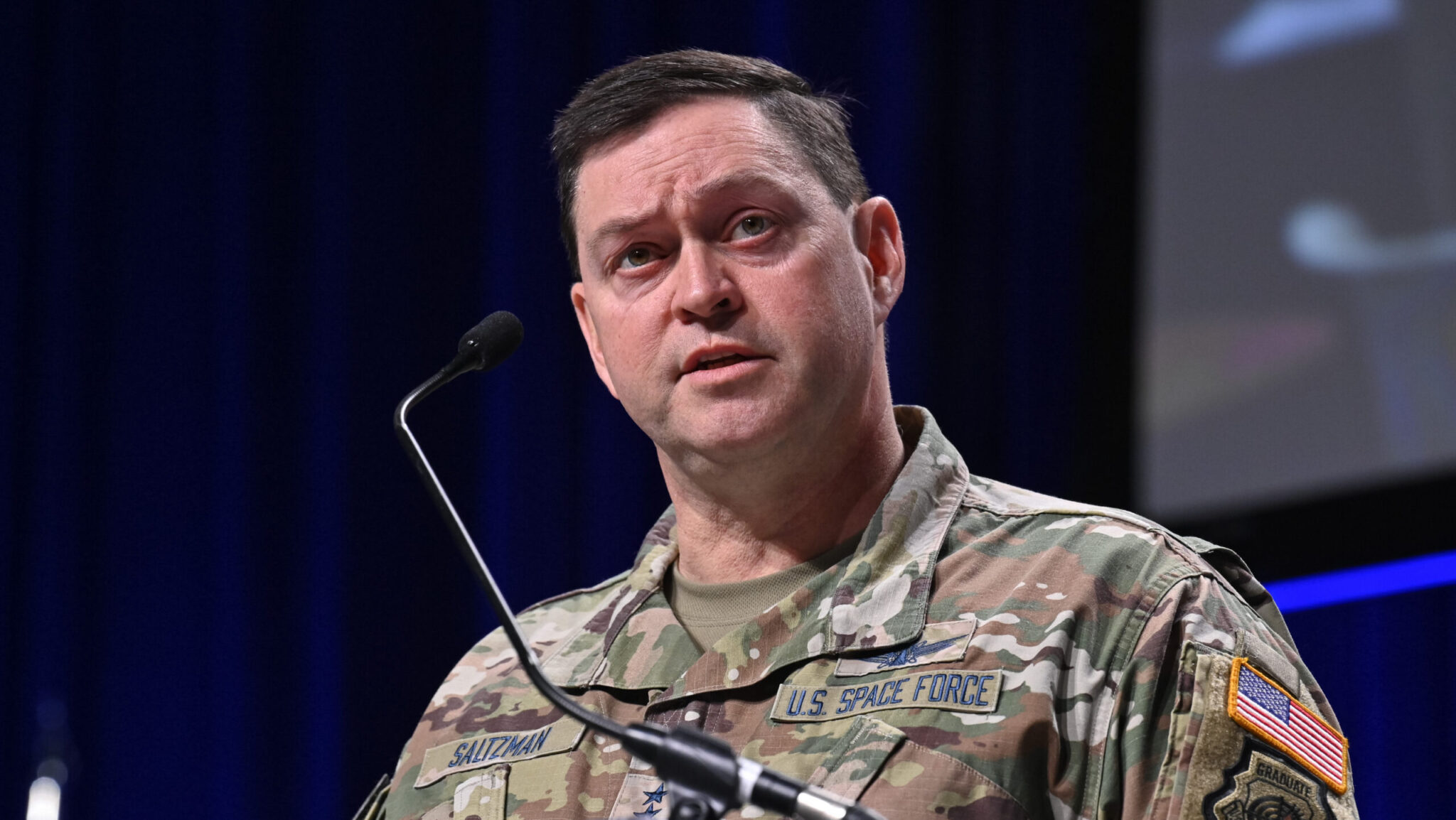
A recent memo from Chief of Space Operations Gen. Chance Saltzman aims to redefine how the U.S. Space Force conceptualizes its operations, reshaping its mission framework and establishing new “terms of reference” for official use. This initiative is viewed as a critical step in clearly defining the Space Force’s operational scope, but it has also generated concerns within the military space community.
The memo, titled “Military Space Operations Terms of Reference,” dated September 24, outlines three “core functions” for the Space Force, delineates specific “mission areas” and their associated “mission sets,” and clarifies cross-cutting “enterprise functions” that underpin these core activities. In his introduction, Saltzman emphasized the importance of a common lexicon, stating, „To ensure unity of effort, it is necessary for the Space Force to define common terms of reference for military space operations.”
Saltzman detailed the Space Force’s three core functions:
- Space Control: This encompasses activities needed to contest and control the space domain, with the ultimate goal of achieving Space Superiority—allowing forces to operate without significant interference from adversaries. This includes offensive and defensive actions, referred to as counterspace operations, which are executed across the space domain and related infrastructures.
- Global Mission Operations: This function relates to delivering space capabilities to both the Joint Force and the nation. It covers traditional support missions such as satellite communications and missile tracking, as well as new mission areas like “Space-Based Sensing and Targeting,” which involves tracking moving targets on Earth.
- Space Access: This refers to the movement and sustainment of equipment in and out of space, including the „Space Lift” mission area, which addresses the transportation of payloads to and from the space domain.
Mixed Reactions
Since the memo’s distribution, reactions from military space professionals, both current and retired, have varied. Some experts, like Doug Loverro, former head of Pentagon space policy, view the framework as a vital step for the Space Force to establish its role within the broader military structure. “These terms have been defined and redefined over the years, but it is good for the Space Force to have a compendium of terms they use,” Loverro stated.
In contrast, others have expressed concern that the memo was developed somewhat in isolation, without sufficient coordination with U.S. Space Command (SPACECOM). Critics note that the document may not reflect SPACECOM’s operational perspectives, despite that command’s responsibility to conduct space operations.
The Space Force, by law, is not a warfighting entity but is tasked with organizing, training, and equipping forces for deployment. The tension between the two organizations was underscored by the absence of explicit collaboration; SPACECOM had not responded to inquiries about its involvement in the memo’s drafting at the time of reporting.
Furthermore, the memo’s terminology and concepts differ from those described in existing Defense Department policies and joint doctrine, potentially leading to confusion and operational challenges among the military branches and within combatant commands. Todd Harrison, of the American Enterprise Institute, expressed concern, stating, “It seems like it would be prudent to get the foundation right by updating and clarifying the Space Force’s core functions before attempting to build a complicated structure of frameworks and terms of reference.”
Doctrinal Discrepancies
The new terms did not always align with Joint Publication (JP) 3-14, the latest doctrine governing military space operations, which was crafted under the guidance of SPACECOM in collaboration with the Space Force and Joint Staff. Notably, while the TOR memo emphasizes “Space Control” as a core function, JP 3-14 deliberately removed the term from its lexicon.
A Space Force spokesperson indicated that the TOR memo is a foundational step towards developing the service’s own doctrine, which could eventually be integrated with joint doctrine updates. However, due to the existing approved joint doctrine, Saltzman’s document may have limited relevance outside the Space Force until further alignments occur.
Budgetary Implications
Another concern highlighted by experts is the potential mismatch between the new mission area constructs and how the Space Force categorizes its programs in budget reports to Congress. This could create complications as staff work to align budget documents with service acquisition programs. However, some officials suggested that adjustments could be made in future budget cycles to better align with the new terms.
As the Space Force continues to refine its operational framework, the ongoing discussions emphasize the importance of cohesion within the military’s space operations and their integration across different branches, especially as space becomes an increasingly critical domain in modern warfare.