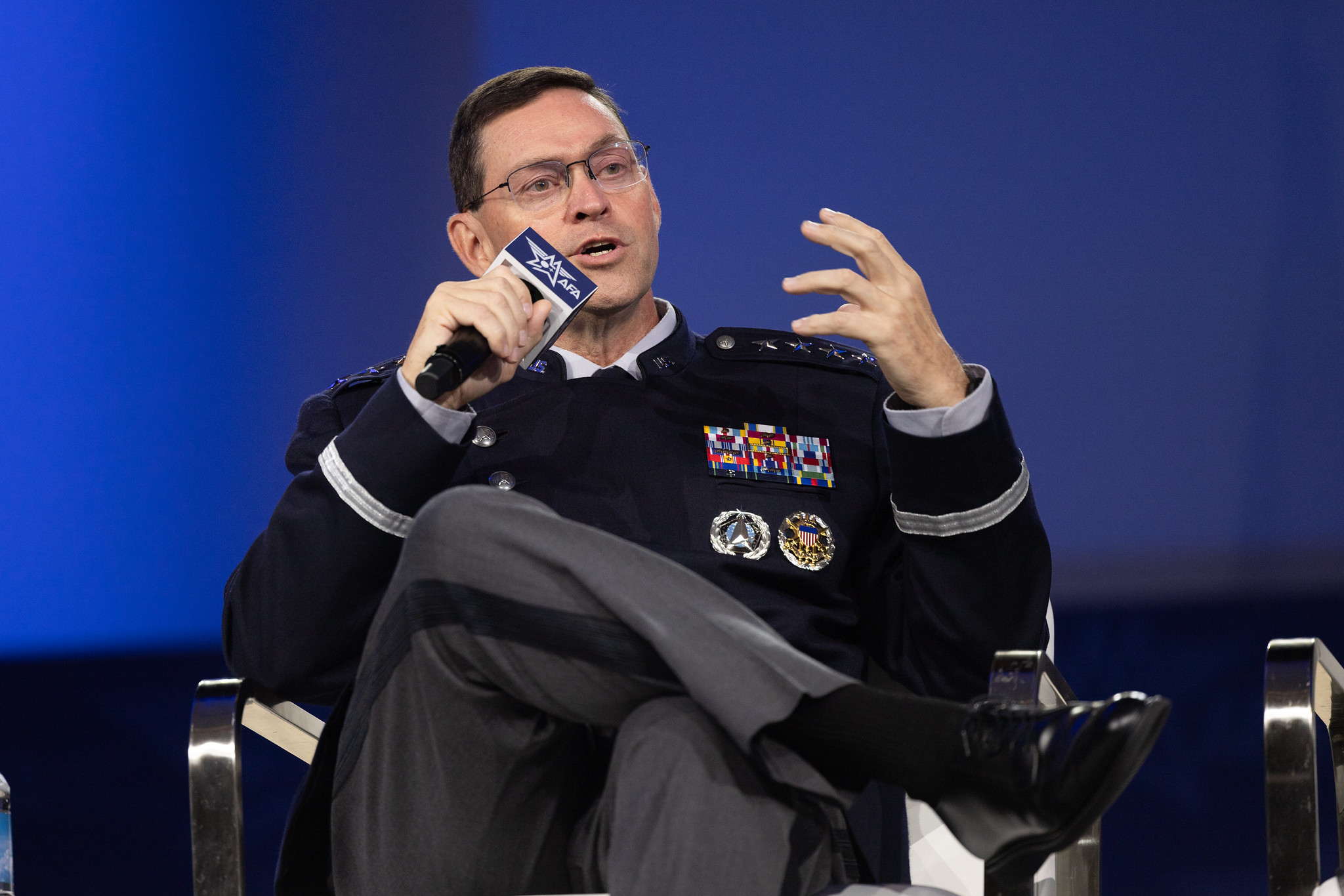
- New Horizons for the Space Force: The Pentagon is bracing for an unprecedented expansion of the U.S. Space Force, with senior officials anticipating a significant surge in both budget and personnel strength starting in fiscal year 2027. A substantial portion of President Donald Trump’s proposed $1.5 trillion defense budget is expected to flow into the nascent military branch. Gen. Shawn Bratton, Vice Chief of Space Operations, boldly predicted the Space Force could double in size over the next decade, signaling a major strategic ambition.
- From „Tiny” to Titan: The Vision for Growth Gen. Bratton emphasized the Space Force’s current diminutive stature: „It is really, really small.” Comprising only 10,000 military personnel and approximately 5,000 civilians, its total strength of 15,000 is smaller than some single organizations within the Army or Air Force. The current growth rate of about 500 individuals per year is deemed insufficient. Bratton projected that if the FY26 budget is approved, the Space Force’s budget could double within a few years, paving the way for a massive increase in military personnel. „I’m super optimistic about ’27,” he added.
- Space Acquisitions Surge: New Programs, Professional Demands Lt. Gen. Philip Garrant, who heads the service’s Space Systems Command (SSC) — responsible for most space acquisition programs — anticipates a significant infusion of funds and, consequently, a substantial increase in workload for his team. While exact dollar amounts remain „pre-decisional,” Garrant pointed to a „very much an emphasis [at the Pentagon] on increasing the capacity of existing capabilities,” in line with Defense Secretary Pete Hegseth’s vision. Numerous new programs are expected to transition from technology demonstrations at research organizations such as DARPA, SCO, and DIU into formal acquisition programs under SSC. This expansion will „absolutely need more acquisition professionals” across all expertise and career fields, particularly with the establishment of new Portfolio Acquisition Executive (PAE) offices.
- Managing the Influx and New Acquisition Leadership Gen. Stephen Purdy, who recently served as the acting Air Force’s head of space acquisition and integration, echoed optimism about an impending budget boost. However, he warned that such financial growth, without effective management, could pose immense challenges. „It’s gonna be all hands on deck. We don’t have time to be screwing around with our programs frankly and getting down the wrong track,” Purdy stressed. To manage this influx, the Space Force has already established two new PAEs, appointing Col. Eric Zarybnisky to lead the Space Access portfolio and Col. Ryan Frazier to head the Space Sensing and Targeting shop. Purdy also announced his relinquishment of the acting acquisition czar role, with Tom Ainsworth now serving as the Space Acquisition Executive, described as having extensive technical and program management experience, including involvement in the „Golden Dome” initiative.
- A New Orbital Era: This anticipated period of growth marks a defining moment for the Space Force, poised to transform from a niche military branch into a major strategic player, reshaping the future of U.S. national security in the orbital domain.