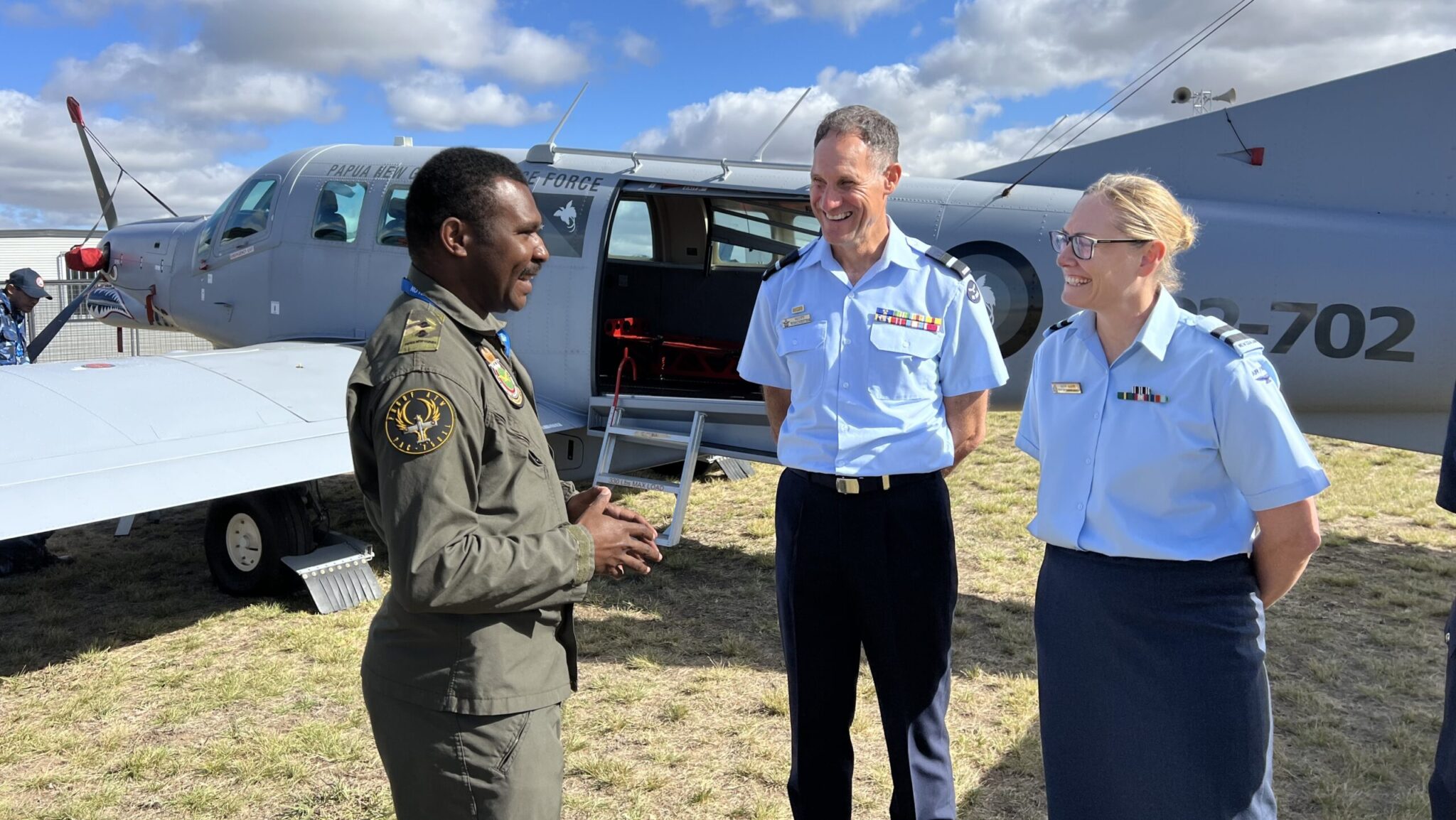
The air forces of Australia and New Zealand are deepening their collaboration, highlighted by key appointments and agreements aimed at fostering greater operational integration. The elevation of Air Commodore Susie Barns, originally from New Zealand, to the position of deputy Air Commander of the Royal Australian Air Force marks a significant milestone—the first such appointment between the two nations.
A Historic Appointment and Joint Initiatives
Barns’ appointment in mid-January follows an agreement forged last year, aimed at promoting the filling of key positions within each air force by personnel from the other country. Her success came after completing the prestigious Defence and Strategic Studies Course at the Australian War College, further cementing the professional ties between the two air services.
In a reciprocal move, New Zealand Defense Force Major General Hugh McAslan has taken on the role of deputy chief of joint operations within the Australian Defense Force, while Australian Army Brigadier Michael Bassingthwaighte has been appointed deputy commander at Joint Forces New Zealand. These appointments signal a commitment to enhance bilateral military cooperation.
Broader Regional Partnerships
The collaboration doesn’t stop with Australia and New Zealand. Barns has also cultivated relationships beyond, including with Lt. Colonel Eddie Miro, the director of Papua New Guinea’s fledgling air force, as well as two other Papua New Guinean officers. This connection is particularly vital given the strengthening ties between Papua New Guinea and its regional neighbors.
Since Miro’s appointment in 2017, Papua New Guinea has significantly developed its air capabilities, transitioning from just one operational helicopter to now owning two PAC 750 single-engine aircraft, manufactured in New Zealand. These aircraft, delivered by Australia in late 2023, are designed for short takeoff and landing, allowing access to some of the country’s most challenging terrains.
Miro explained the crucial role these aircraft play in reaching remote locations, stating, “Some of the strips back in Papua New Guinea might as well be just a piece of road track somewhere.”
Enhancing Regional Support and Logistics
Beyond the PAC 750 aircraft, Australia has also supplied a Spartan C-27 aircraft for operations throughout Papua New Guinea and the surrounding Pacific Islands. As part of the Defence Pacific Air Program (DPAP), this initiative focuses on logistical support during civil emergencies and adverse weather conditions.
“The Spartan has been able to bring in supplies, and the PAC 750 has been able to access the most remote airfields,” Miro emphasized. “The partnership with Australia and New Zealand has grown from strength to strength.”
Additionally, Fiji contributes loadmasters to ensure that the Spartan is safely loaded, preventing cargo shifts that could complicate operations.
Coordinating Humanitarian Efforts
Royal Australian Air Force Air Commodore Scott Winchester noted the potential for collaborative humanitarian operations. In times of crisis, he, Miro, and Barns would work together to coordinate relief efforts, contingent upon obtaining governmental approval. This collaborative mindset is part of a broader strategy by Australia and New Zealand to improve interoperability and strengthen military relationships throughout the Indo-Pacific region.
The growing ties among these nations reflect a shared commitment to regional stability and proactive engagement, ensuring they are well-prepared for future challenges.