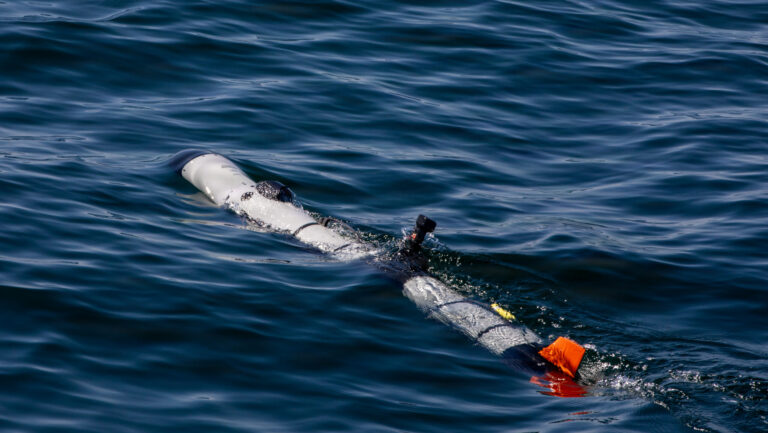
In an era of hybrid warfare and autonomous technologies, port security is undergoing a critical transformation. The United States Coast Guard has issued an urgent call to the tech industry, seeking advanced solutions capable of not just detecting, but actively neutralizing unmanned underwater vehicles (UUVs). The stakes are clear: protecting vital infrastructure from threats that operate „below the radar” of traditional intervention methods.
Beyond Detection: The Urgent Need to „Defeat” the Threat
While effective technologies for tracking and detecting UUVs already exist, the current market lacks tested and field-ready solutions equipped with defeat and mitigation systems. According to official notices, simply identifying a target is no longer sufficient in today’s security landscape.
“Malicious actors can employ UUVs for a range of activities, including intelligence gathering, surveillance, sabotage of critical infrastructure, and kinetic strikes,” the request for information states. The covert nature and advanced navigation capabilities of modern UUVs make them extremely difficult to intercept using conventional maritime tactics. Therefore, defeat technologies have become the „essential link” in the defense chain.
The Silent Enemy: Sabotage, Espionage, and Direct Strikes
The requirements are highly specific. The Coast Guard Research and Development Center is seeking details on commercially available technology, including sensor platforms, kinetic solutions, and integrated response systems. One mandatory criterion stands out: proposals without „defeat capabilities” will not be considered.
The technology must be scalable and adaptable for integration with existing detection systems or configured specifically for various port layouts. The focus is on systems featuring an „effector”—a component capable of physically or electronically neutralizing the threat.
Lessons from the Modern Battlefield
This acceleration in procurement comes amid an unprecedented surge in incidents involving UUVs. A clear example occurred in February 2024, when US forces were forced to conduct self-defense strikes in the Red Sea against anti-ship missiles and a UUV deployed by Houthi forces. This marked the first known instance of such technology being used in an asymmetric attack context in the region.
Furthermore, port security has returned to the spotlight following the recent use of unmanned surface vessels to strike strategic submarine and ship maintenance facilities in Iran, signaling a new chapter in modern naval warfare.
Interested respondents have until August 7 to present systems that have already completed field testing and are ready for procurement. Subsequently, the Coast Guard may schedule maritime trials to evaluate the effectiveness of the proposed solutions directly in an operational environment.