Taiwan’s current defense posture is deemed insufficient to deter a potential Chinese invasion, prompting calls for a radical shift toward a new operational concept. This innovative approach emphasizes building mass and operational flexibility through affordable means, rather than relying on traditional, expensive weaponry.
Analysts suggest Taiwan must cultivate an „asymmetric hellscape,” a formidable defense composed of thousands of drones operating in concert with more conventional arms. The aim is to inflict prohibitively costly damage on China’s People’s Liberation Army (PLA) by targeting its most vulnerable phases: during its cross-strait transit and the critical moments of troop landings.
The ‘Asymmetric Hellscape’ Blueprint
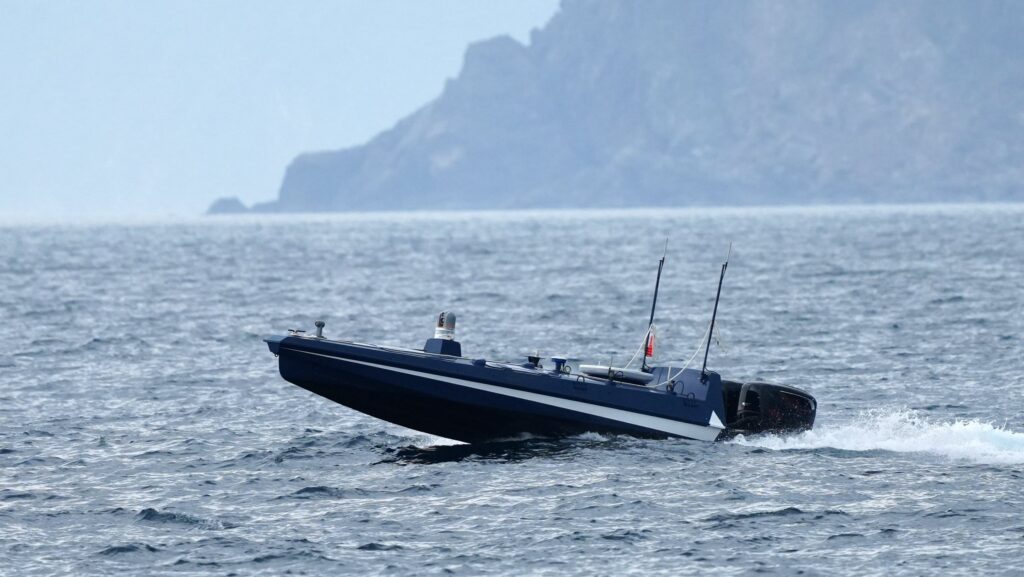
The proposed strategy advocates for Taiwan to reallocate its defense budget, moving away from „large, exquisite prestige weapons” towards more cost-effective solutions. Drones are seen as crucial for augmenting Taiwan’s limited stockpile of advanced armaments, offering precise, affordable mass across multiple domains. Crucially, employing uncrewed systems for the most dangerous missions would also significantly reduce risk to military personnel.
This drone-centric approach aligns with Taiwan’s existing asymmetric „porcupine” strategy, which seeks to prevent a swift Chinese conquest by directly counterattacking a conventional air and naval assault from superior forces. The goal is to deny Beijing its military objective, thereby deterring an attack in the first place, by preventing the PLA from transporting enough troops to conquer the island.
A 50-Mile Maritime Gauntlet
Central to this new concept is the establishment of a multi-layered, 80-kilometer (50-mile) maritime danger zone stretching outwards from potential invasion beaches. This „hellscape” would deploy a diverse mix of drones and weaponry designed to sink, damage, or otherwise impede incoming invasion forces. The system is engineered to remain effective even amidst extensive communications and GPS jamming.
The defensive layers are envisioned as follows:
- Outer Layer (40-80 km): This zone would utilize a variety of longer-ranged air, seaborne, and sub-surface drones, alongside decoy drones. These would work in concert with conventional anti-ship cruise and supersonic missiles to saturate opposing air defenses. Facing such mixed drone and missile raids, Chinese forces would have little time to differentiate sophisticated threats from decoys, forcing them to engage everything and rapidly depleting shipboard interceptors, leaving the fleet exposed.
- Mid-Range Layer (5-40 km): This segment would focus on disrupting the PLA’s landing schedule. Attacks would target landing craft transporting troops and equipment from larger landing ships to shore, employing extensive pre-laid minefields, and further drone and missile attacks as invaders attempt to negotiate and clear these obstacles.
- Inner Layers (0-5 km & Beaches): The final two layers, extending from 5km to the shoreline and directly on the invasion beaches, would deploy shorter-range, line-of-sight weapons and attack drones equipped with autonomous terminal guidance. This capability allows them to reach their targets without operator input, effectively nullifying attempts to jam communication links between drones and their human controllers.
Hurdles on the Path to Resilience
Despite the strategic appeal, the implementation of such a robust defense faces significant challenges. Critics point to Taiwan’s „alarming lack of urgency” and insufficient spending on asymmetric capabilities, even with recent defense budget increases. A key obstacle is the absence of a robust domestic industrial base capable of producing drones at the necessary scale.
Moreover, Taiwan’s military itself grapples with institutional issues, including personnel shortages, insufficient training, and a conservative approach that has hampered investment in asymmetric capabilities. Beyond equipment concerns, deficiencies in manpower, training, and planning raise doubts about its ability to effectively counter a larger PLA force. Without a strong foundational intellectual framework, military planners struggle with procurement decisions, commanders cannot develop realistic training scenarios, and units lack a shared understanding of how they would truly fight.
Further exacerbating the situation, a significant portion of defense spending continues to be allocated to imported weapon systems, with only a fraction dedicated to local drone manufacturing. This suggests a pressing need for Taiwan to re-evaluate its spending priorities and invest more strategically in its indigenous defense industry to build the affordable, mass-produced capabilities required for its future security.