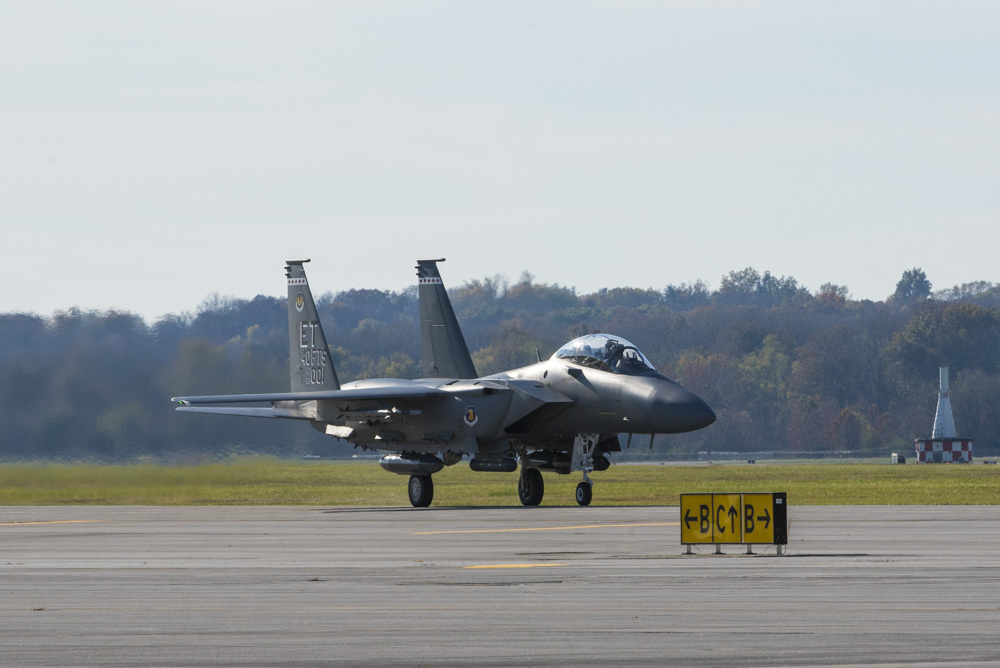
In a definitive strategic pivot that signals the end of the era of trade-offs, the U.S. Air Force has unveiled plans to procure a total of 267 F-15EX Eagle II fighter jets. This move more than doubles previous fleet projections, fueled by a massive surge in defense spending under the current administration aimed at rapidly overhauling American air superiority.
Aerial Dominance: F-15EX Takes Center Stage in Fleet Modernization
The fiscal 2027 budget proposal, revealed at the Pentagon, seeks an initial 24 F-15EXs. However, the long-term roadmap is far more aggressive: the Air Force plans to acquire dozens more of the Boeing-made fighters to build out new units and „recapitalize” the aging F-15E fleet.
This extended commitment ensures that the U.S. will maintain „hot” production lines for two primary fighters simultaneously—the F-15EX and the stealthy F-35A. The F-35A is also seeing a procurement spike, with requests jumping to 38 airframes in FY27 compared to the 24 requested just a year ago, underscoring a high-tempo rearmament strategy.
The End of Trade-offs: A $267 Billion Infusion for Readiness and Tech
For years, Air Force leadership struggled to balance the maintenance of legacy platforms against the need for future innovation. The solution, it appears, is a significant injection of capital. The overall Air Force budget is projected to rise by 25% to a record $267.7 billion.
„FY 2027 moves beyond the trade-off between modernization and readiness,” senior defense officials stated. Procurement is set to jump by 30%, while research and development will see a 27% increase. Crucially, weapon system sustainment—a sector often raided to pay for other priorities—will grow by $3 billion, a move designed to decrease repair times and keep pilots in the air.
The Warthog’s Reprieve: A Surprising Turn for the A-10
While the Air Force is moving to divest hundreds of aging aircraft—including U-2 spy planes, KC-135 tankers, and older F-15Es—the legendary A-10 Thunderbolt II has received an unexpected lease on life. Despite years of efforts to retire the „Warthog,” the service has reversed course, extending the operation of several squadrons until 2030. This move is intended to preserve combat power until the industrial base can ramp up production of next-generation aircraft. „Long live the Warthog,” the Pentagon leadership signaled, acknowledging the plane’s enduring value in modern conflict.
Mission Systems Over Platforms: The Future of Aerial Refueling
The FY27 budget also reveals a strategic shift in how the U.S. views the future of aerial refueling. Funding for the Next Generation Air-refueling System (NGAS) has been realigned to prioritize „mission systems” over specific aircraft platforms. This approach aims to create a more resilient and persistent refueling capability capable of operating in highly contested airspace.
Simultaneously, the E-7 Wedgetail radar plane remains a key point of focus. Despite previous attempts to cut the program due to cost concerns, Congressional intervention has forced the Air Force to continue development, ensuring the transition to a modern, survivable airborne early warning and control capability.